Last updated November 20, 2026
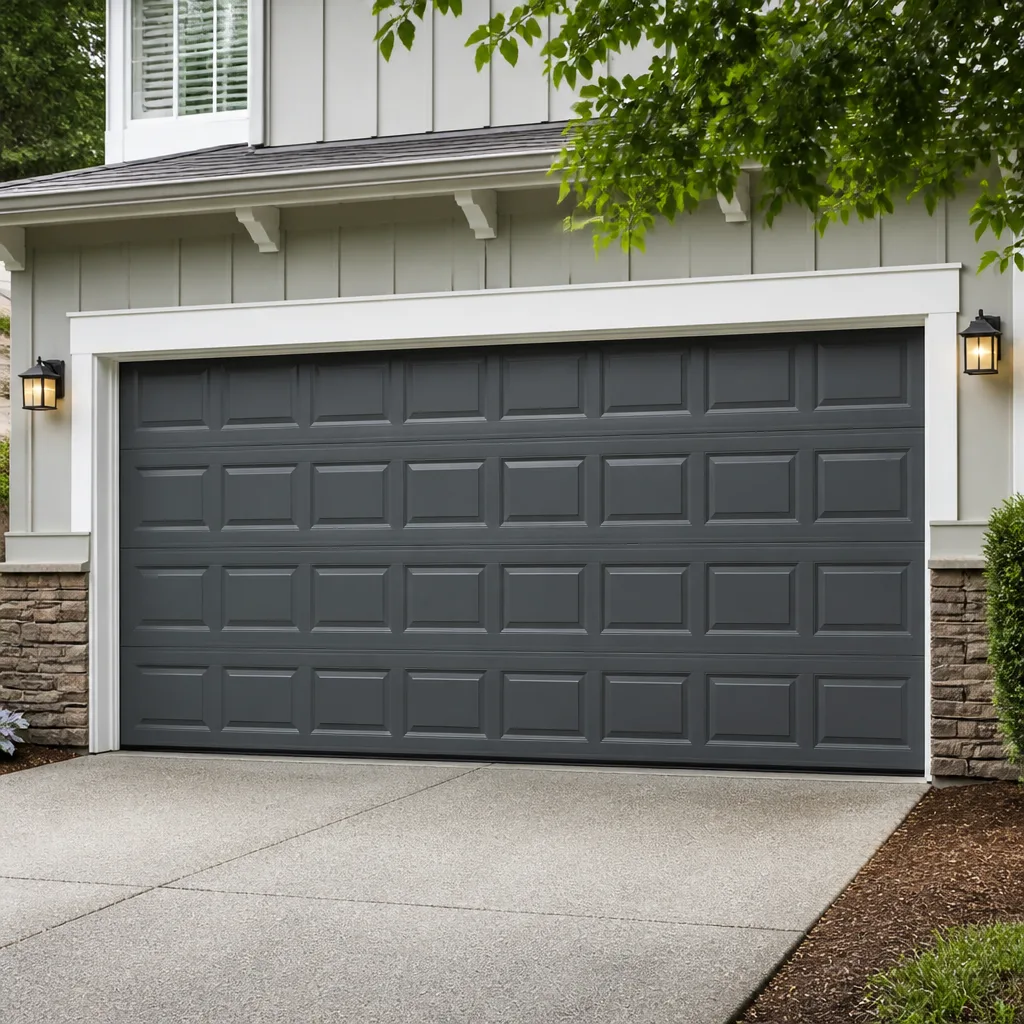 Raised-panel steel
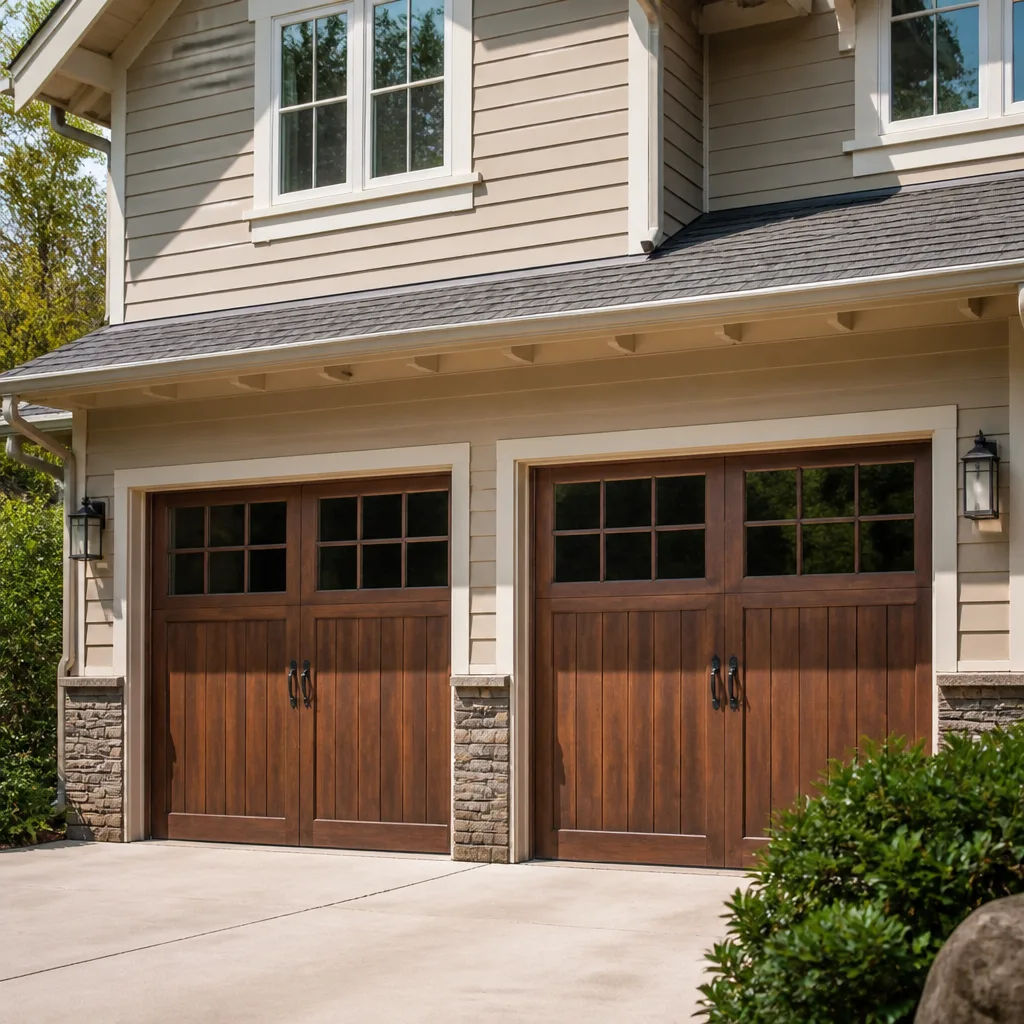 Carriage house
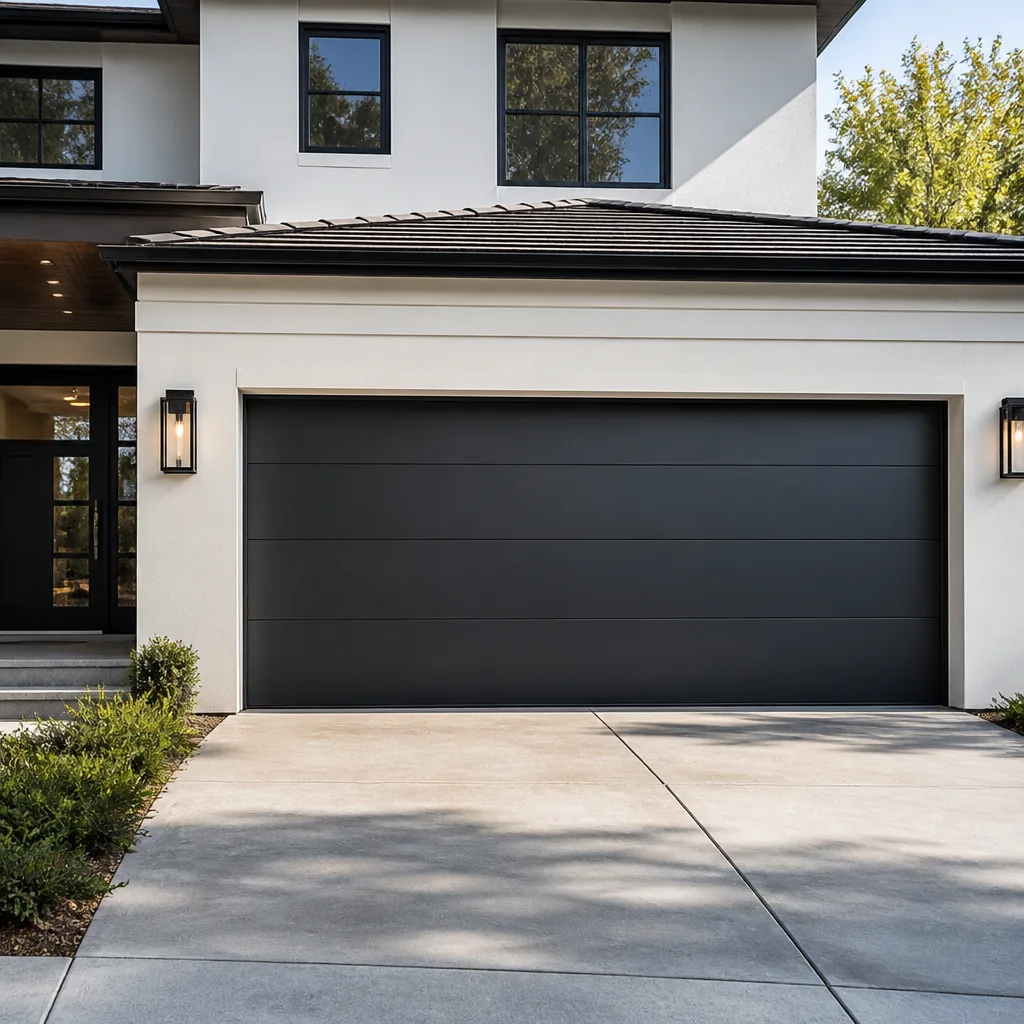 Modern flush
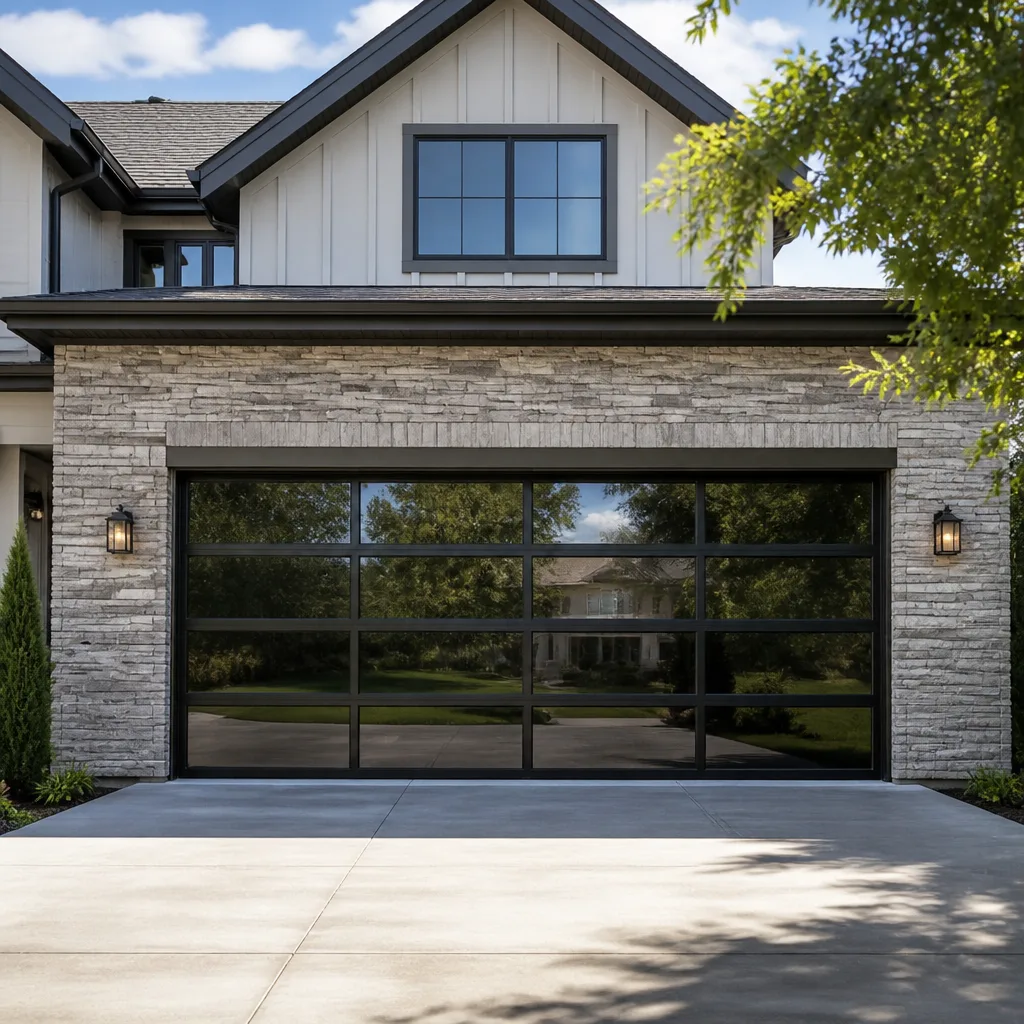 Full-view glass
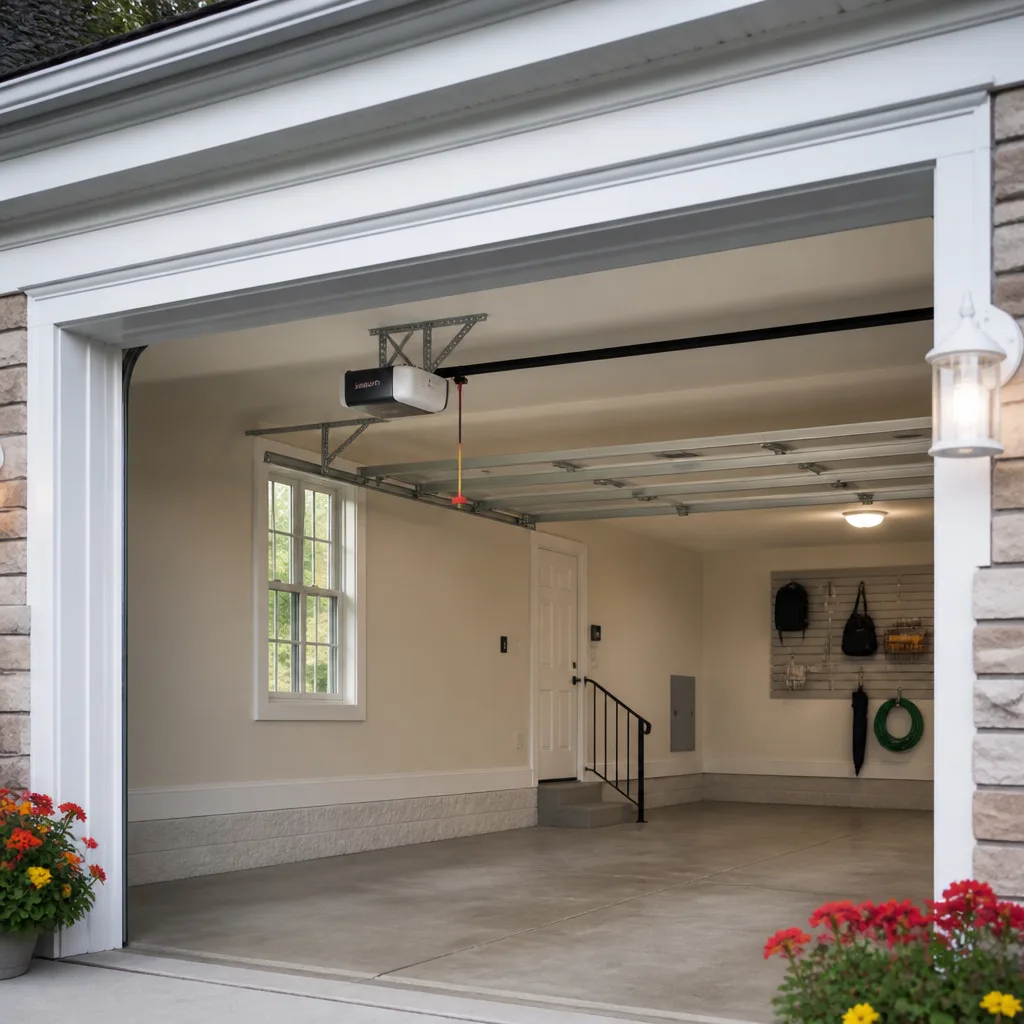 LiftMaster openers
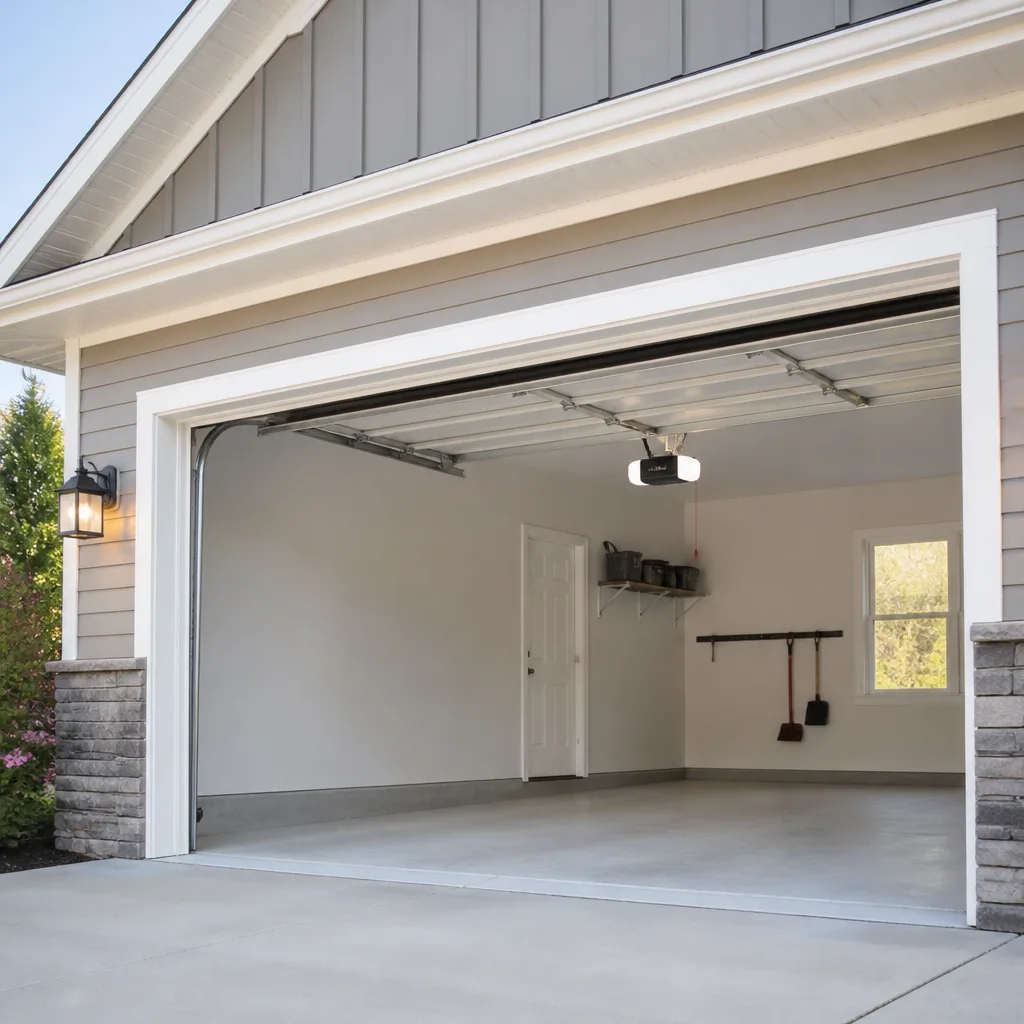 Chamberlain openers
Full 25-point door and opener safety check with every visit - springs, cables, rollers, tracks, and your LiftMaster or Chamberlain opener included
You get a price before we start. It does not change when the pro arrives.
Get your free estimateGarage Door Permits, Codes & Inspections in Bedford-Stuyvesant, NY: What You Need to Know
Most homeowners in Bedford-Stuyvesant assume that replacing a garage door is a simple swap that needs no paperwork, and that the old door already there must have been installed to code. Both assumptions get people into trouble. A garage door is a heavy, motorized, spring-loaded machine attached to a structure, and New York City treats it as a building component with rules attached. Whether you’re repairing a broken spring, swapping an opener, or installing a new door on a brownstone with a rear carport or a newer build off Malcolm X Boulevard, the permit and inspection questions come up fast. This guide walks you through what actually triggers a permit, what inspectors look for, how Bedford-Stuyvesant’s housing stock changes the answer, and where the real safety lines are.
Quick Answer
In Bedford-Stuyvesant, a same-size garage door replacement or a repair (springs, opener, cables, rollers) generally does not require a permit, but a structural change to the opening, a new garage structure, or work that alters the header or framing usually does. New York City code treats the door as part of the building envelope and life-safety system, so the door must be installed to manufacturer specs, the spring system must be safety-rated with proper containment, and the opener must carry a working entrapment-protection feature that reverses the door on contact. Your local pro should confirm the exact permit need with the NYC Department of Buildings before work starts.
Styles & brands we work with
- Raised-panel steel
- Carriage house
- Modern flush
- Full-view glass
- LiftMaster openers
- Chamberlain openers
Table of Contents
- When is a garage door permit required in Bedford-Stuyvesant?
- What garage door codes apply in New York City?
- What does a garage door inspection actually check?
- How Bedford-Stuyvesant’s housing stock changes the answer
- How local weather and seasons affect doors and inspections
- What do permits, inspections, and typical jobs cost in Bedford-Stuyvesant?
- Step-by-step: how a compliant installation goes
- Permits when you sell or refinance a Bedford-Stuyvesant property
When Is a Garage Door Permit Required in Bedford-Stuyvesant?
The short rule: if you’re replacing a door in the same opening with the same size and the same type of door, you generally don’t need a permit. If you’re changing the opening, the framing, the header, or adding a garage where there wasn’t one, you almost certainly do. The NYC Department of Buildings is the authority that decides, and their answer can shift based on the door’s weight, the type of spring system, and whether the door is part of a vehicle-access structure or a rear carport on a residential lot. That’s why we always tell people to confirm with the DOB or a licensed expediter before ordering a door.
Here’s how it usually breaks down in Bedford-Stuyvesant:
- No permit typically needed: replacing a sectional door with a same-size door, swapping an opener, replacing springs, cables, rollers, hinges, or tracks in the original opening.
- Permit usually required: widening or narrowing the opening, cutting a new opening in a wall, changing from a swing door to an overhead door, adding a new garage structure, or altering the structural header above the door.
- Permit plus inspection: work that touches the building’s structural framing, the fire separation between a garage and living space, or the electrical circuit feeding the opener.
A common confusion in Bedford-Stuyvesant is the rear carport. Many row houses and brownstones have a carriage-house style garage or an open carport behind the building, accessed from the street through a shared drive. That rear structure often sits on a lot line, and the DOB treats it differently from a front-facing attached garage. If your door is in a rear carport, get a clear answer from the department before you order. We’ve seen this trip up owners who assumed the “same door, same hole” rule applied everywhere.
What Garage Door Codes Apply in New York City?
New York City’s building code adopts national standards but with local amendments, and garage doors fall under those standards. The core code obligations are about safety, not aesthetics. Four of them matter most:
- Entrapment protection. Automatic garage door openers must have a primary entrapment protection feature (the door reverses on contact) and, depending on the opener type and the door’s use, a secondary feature such as photoelectric sensors or a door-edge sensor. This is not optional and an inspector or a smart inspector-equivalent test will catch a missing or defeated sensor.
- Spring safety. Extension springs must be contained (a containment cable or equivalent) so a broken spring doesn’t fly free. Torsion springs must be properly mounted and rated for the door’s weight. A spring that fails without containment is a genuine hazard, and that’s why spring work is a trained-technician job.
- Structural attachment. The door, tracks, and opener must be fastened to structural members, not to drywall or sheathing. This is where older Bedford-Stuyvesant homes get tricky, because the header over a rear garage opening may not be a true structural member.
- Fire separation. Where a garage is attached to or under living space, the wall and ceiling between the garage and the house have fire-resistance requirements. A door that penetrates that separation can’t compromise it.
We work on all the major door and opener brands, including Clopay, Amarr, and Wayne Dalton doors and LiftMaster and Chamberlain openers, and the code requirements apply the same way regardless of brand. What changes is the specific entrapment feature the opener uses and how the spring system is rated. Craftsman openers from the 1990s and 2000s, still common on Bedford-Stuyvesant homes, often predate current sensor standards, which is one reason an older opener can fail an inspection even though the door itself is fine.
The DOB’s exact language and the current code edition should be confirmed with the department or a licensed expediter for your address, because amendments change and because a rear carport on a lot line may fall under different provisions than a front attached garage. We don’t guess on code for a specific property; we tell you what to ask and what the work needs to look like.
What Does a Garage Door Inspection Actually Check?
A garage door inspection, whether done by the DOB as part of a permitted job or by a technician as part of a service call, looks at the same set of systems. The inspector isn’t checking whether the door matches the house. They’re checking whether it’s safe and installed to spec. Here’s what gets tested:
- Balance and travel. The door should open and close smoothly, stay in place when stopped halfway, and not slam or drift. An unbalanced door strains the opener and the springs.
- Entrapment protection. The reversing feature is tested with a physical obstruction, and the photoelectric sensors (if present) are aligned and verified to trip the door.
- Springs and cables. Spring mounting, containment, cable condition, and drum wear. Cables that are frayed or drum-slipped are a hard fail.
- Hardware and attachment. Hinges, rollers, brackets, and the attachment of tracks and opener to structure.
- Door panels and sections. Dents, cracks, or separation that affect operation or safety. A bent bottom section can defeat the reversing feature.
- Labeling. Manufacturer labels and, where applicable, the door’s wind-load or safety rating information.
For a permitted job, the inspector also confirms the work matches the approved plans: correct door size, correct opening dimensions, correct anchoring. In our experience, the failures we see on Bedford-Stuyvesant inspections are rarely about the door itself. They’re about the opener’s entrapment feature being defeated (often by a homeowner who found the sensor annoying) or about tracks fastened to a header that wasn’t structural. Both are fixable before the inspector arrives if you know to check.
How Bedford-Stuyvesant’s Housing Stock Changes the Answer
Bedford-Stuyvesant is one of the largest collections of intact 19th- and early-20th-century row houses in New York City, and that history is exactly why the permit question here isn’t a copy-paste from a suburb. Three building types come up again and again:
Brownstones and row houses with rear carriage houses
Many blocks have carriage-house style rear structures, reached through a shared alley or a drive cut between buildings. These garages were built for horses and carriages, not cars, and the opening is often narrower than a modern car. Widening that opening is a structural change and gets a permit. Replacing the door in the original opening generally doesn’t.
Newer construction and conversions
Where a building has been converted or a new structure added, the garage opening may be a modern size but the header may be less robust than it looks. This matters because an opener must anchor to structure. On a converted building, don’t assume.
Shared driveways and lot-line garages
A garage on or near a lot line may trigger zoning and code review that a mid-block garage doesn’t. If your rear garage shares a wall or a drive with a neighbor, confirm the department’s position before work. In our experience, this is the single biggest source of surprise for Bedford-Stuyvesant property managers, because a repair that’s fine on one block is a permit question two blocks over.
None of this means the work is complicated. It means the answer depends on your specific structure, and that’s why we ask about the building type and the opening before we quote. For straightforward repairs, our garage door repair in Bedford-Stuyvesant covers everything from spring swaps to opener fixes, with the permit question answered up front.
How Local Weather and Seasons Affect Doors and Inspections
Bedford-Stuyvesant sits in a humid continental climate with cold winters, hot summers, and real freeze-thaw cycles. That cycle is hard on garage doors in ways that show up at inspection time.
- Wood and older carriage-house doors swell and shrink. A wooden door that binds in July can gap in January. Binding strains the opener; gapping can defeat the seal and allow water in. Inspectors notice both.
- Metal tracks and springs are affected by temperature swings. Cold makes springs more brittle and metal less forgiving; heat can soften lubricant and let rollers drag. A door that runs fine in spring may limp in a January cold snap.
- Snow and ice at the threshold. A door that closes onto a snowdrift or an iced threshold stops short, and an opener that repeatedly reverses on an obstruction wears out its gear and can look like a failed safety sensor at inspection.
- Summer humidity and rust. Steel tracks and hinges on older doors rust in humid summers. Rusted rollers and hinges are a common “needs attention” note on inspections.
What this means practically: the season you schedule an inspection or a permitted install matters less than the condition you keep the door in. A spring that’s losing tension, a sensor that’s misaligned, and a track that’s bent are all inspection problems regardless of the calendar. Keeping the door lubricated, the sensors aligned, and the spring system in good order is what gets you through the year.
What Do Permits, Inspections, and Typical Jobs Cost in Bedford-Stuyvesant?
This is a local market, and the numbers below are typical ranges we see for Bedford-Stuyvesant work. They’re estimates, not quotes; the written estimate after we look at your door sets the final price, and the price is agreed before any work starts.
| Item | Typical range (Bedford-Stuyvesant) | Notes |
|---|---|---|
| Single torsion spring replacement (one spring) | $180 – $320 | Priced per spring. A matched pair is usually replaced together, so a pair costs about twice this range. |
| Extension spring replacement (one spring) | $140 – $260 | Priced per spring, with containment recommended. |
| Opener replacement (standard chain or belt drive) | $350 – $650 installed | Includes entrapment protection verification. |
| Opener repair (sensor, gear, board) | $120 – $280 | Depends on the failed component. |
| Standard single door installation | $1,200 – $2,400 | Door and hardware, same-size opening. |
| Double or oversized door installation | $2,200 – $4,500 | Custom sizes and carriage-house styles run higher. |
| Permit filing (when required, DOB) | Varies by scope | Filed through the DOB, typically by a licensed expediter; the contractor should walk you through the filing. |
| Post-install inspection coordination | Included in the job | When a permit is pulled, the inspection is part of getting the job closed out. |
A few things drive the Bedford-Stuyvesant numbers up or down. A rear carriage-house door is often a custom size, and custom sizes cost more than a standard big-box door. An older opener that predates current sensor standards may need replacement rather than repair to pass inspection. And a door on a lot line or a shared drive can add filing complexity. We give you a written estimate with the scope spelled out, and we don’t add charges after the fact. If you’ve been quoted a number and then told it’s higher once the work is underway, that’s a red flag.
For a full breakdown of what repair and install work runs in this neighborhood, our cost guide for garage door repair costs in Bedford-Stuyvesant is the place to start. If you’re weighing a new door, the garage door installation page covers sizes, styles, and what’s included.
Step-by-Step: How a Compliant Installation Goes
A properly permitted and compliant garage door installation follows a predictable sequence. Here’s how it typically goes, whether the job needs a permit or not:
- Measure and scope. We measure the opening, check the header for structural soundness, confirm the door type and size, and determine whether a permit is required for this specific change. You get a written estimate before anything is ordered.
- Permit filing (if required). The permit is filed with the DOB, typically by a licensed expediter, using the approved door spec and opening dimensions. We coordinate, and you get a copy.
- Order the door. Door lead times run from a week or two for a standard size to several weeks for custom or carriage-house styles. This is why a full install is scheduled, never same-day.
- Remove the old door and prep the opening. Old door, springs, tracks, and opener come down. The opening is checked and any structural issues are addressed.
- Install the new door and hardware. Tracks, springs, cables, and panels are installed to the manufacturer’s spec, with springs properly mounted and contained.
- Install or reconnect the opener. The opener is mounted to structure, the entrapment protection feature is installed and aligned, and the door is balanced.
- Test and adjust. The door is cycled, balanced, and tested for reversing on obstruction, sensor alignment, and smooth travel. We adjust until it runs right.
- Inspection and close-out (if permitted). If a permit was pulled, the inspection is coordinated, and the job is closed out with the paperwork in hand.
For a repair rather than a replacement, the sequence is shorter: diagnose, quote, fix, test. The one thing that never changes is the price being agreed before work starts. If a repair turns up something unexpected, we stop and talk to you before doing anything that adds to the bill.
Permits When You Sell or Refinance a Bedford-Stuyvesant Property
An open permit or unpermitted garage work can surface during a sale or refinance, and Bedford-Stuyvesant is a busy market where buyers and lenders look closely. If you had a door installed years ago and aren’t sure whether it was permitted, there are a few things to know.
- A permit pulled for a door replacement closes out with an inspection. If the inspection was never done, the permit may still be open on the DOB record, and a title search can surface it.
- Unpermitted structural changes are the bigger worry. A door swap in the same opening is rarely an issue; an enlarged opening or a new structure without a permit can be, because it touches the building’s structure.
- You can check the DOB record for your address. If there’s an open permit, it can usually be closed out by completing the inspection, sometimes with a licensed expediter’s help.
- When in doubt, ask before listing. Resolving a permit question ahead of a sale is far easier than negotiating it during contract.
As a general rule, the door work that’s least likely to create a paperwork problem is the same-size replacement, and the most likely to is a structural change to the opening. If you’re buying a Bedford-Stuyvesant property with a rear garage or carport, ask the seller for the permit history on the door and the structure. It’s a fair question, and it protects you.
Common Mistakes to Avoid
- Assuming “same door, same hole” needs a permit. For a same-size replacement it typically doesn’t, but widening or narrowing the opening does, and many owners conflate the two. Confirm with the DOB before the door is ordered.
- Defeating the safety sensors to stop the blinking light. This is the single most common inspection failure and a genuine safety problem. An opener without working entrapment protection should be repaired, not bypassed.
- Fastening tracks to drywall or sheathing. On older Bedford-Stuyvesant homes the header over a rear garage opening may not be structural. Anchoring to the wrong surface can fail an inspection and strain the door.
- Skipping spring containment. Extension springs without containment are a hazard. Inspectors look for it, and so do we.
- Ordering a custom door before checking the opening. Measure first, then order. A rear carriage-house opening is often narrower than expected, and returning a custom door is expensive.
- Ignoring an older opener’s sensor standard. A Craftsman or older LiftMaster unit from years past may not meet current entrapment standards. Plan for replacement rather than being surprised at inspection.
- Treating a lot-line garage like a mid-block one. Shared drives and rear structures can trigger zoning and code review. Confirm before work, not after.
See the difference
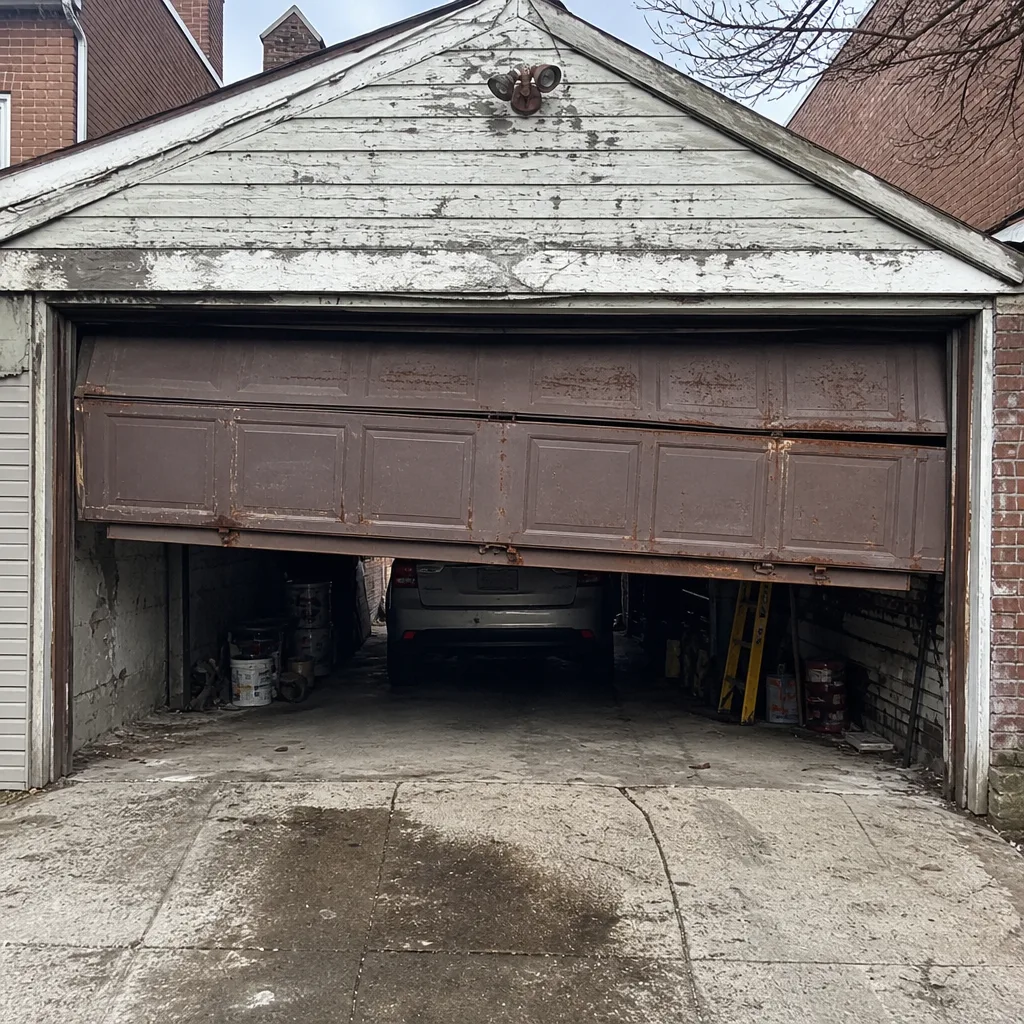 Before
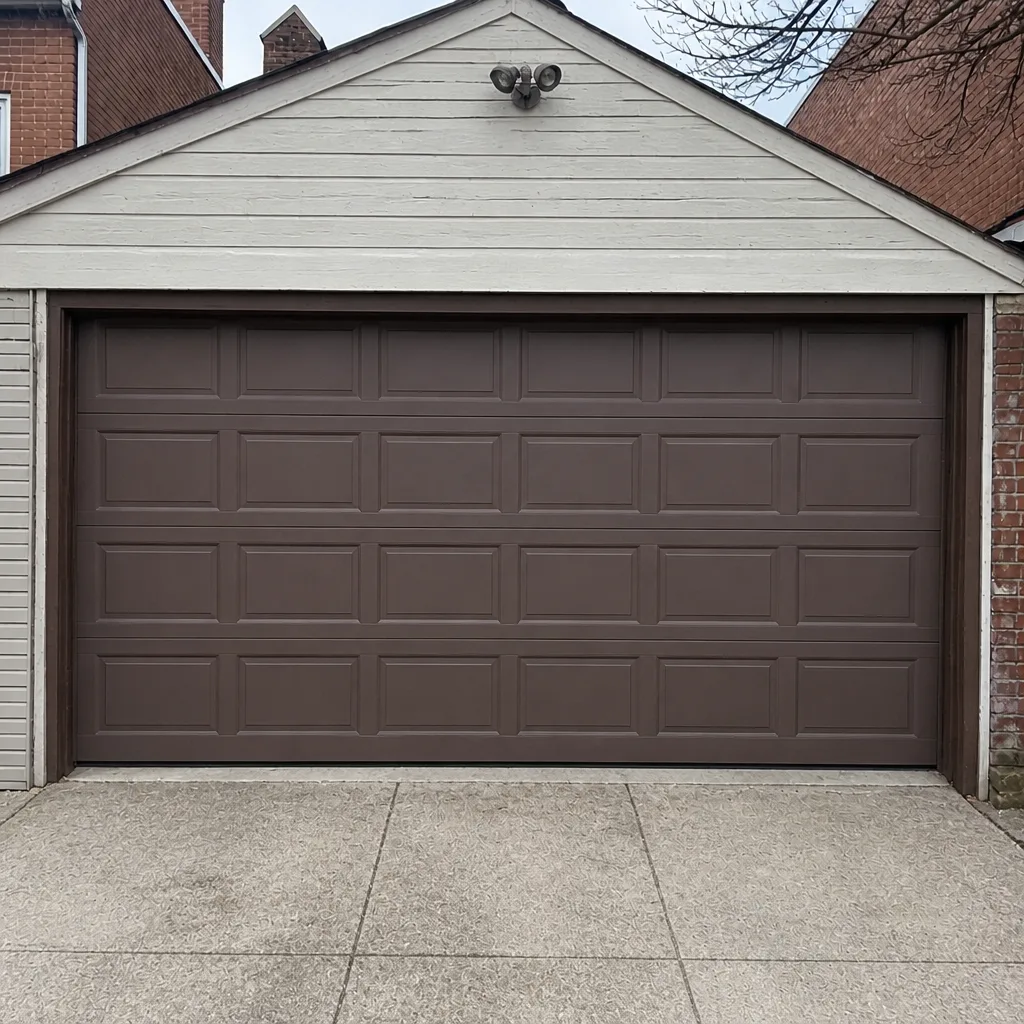 After
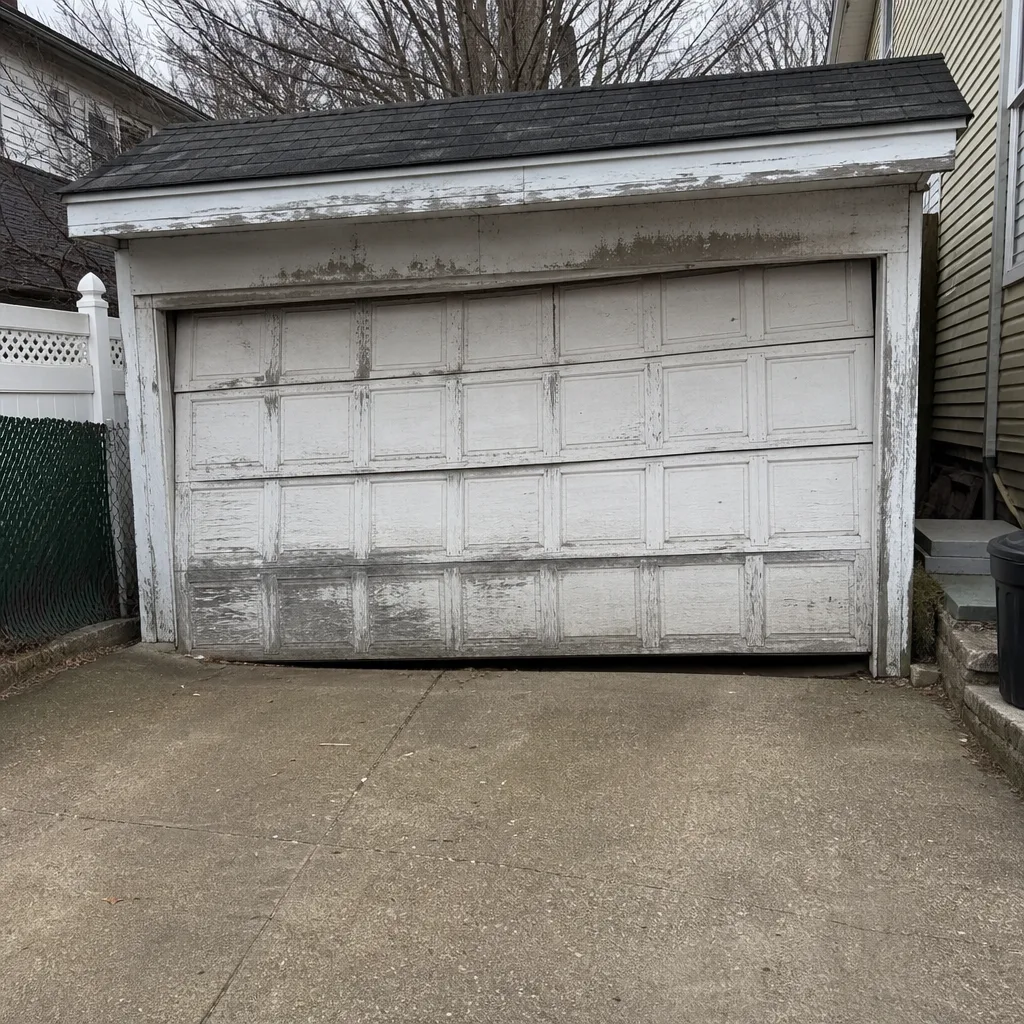 Before
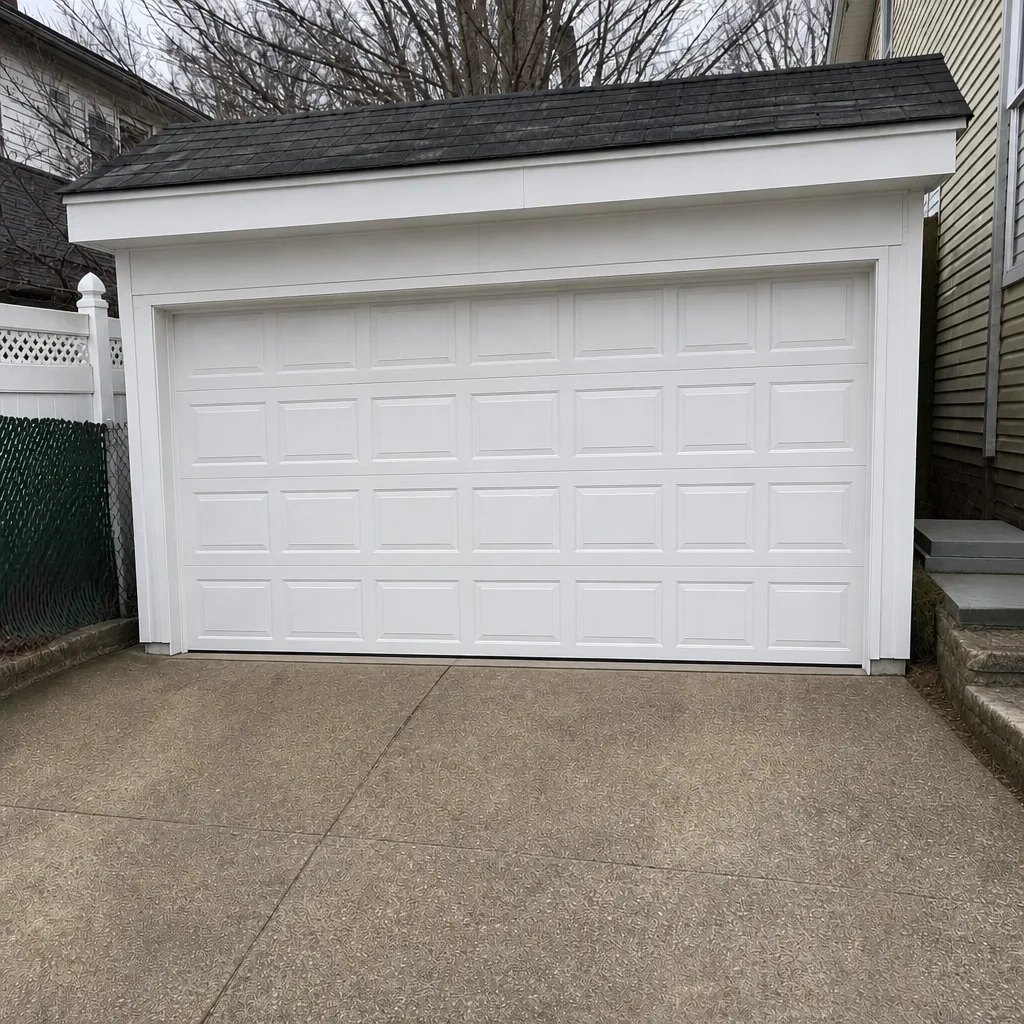 After
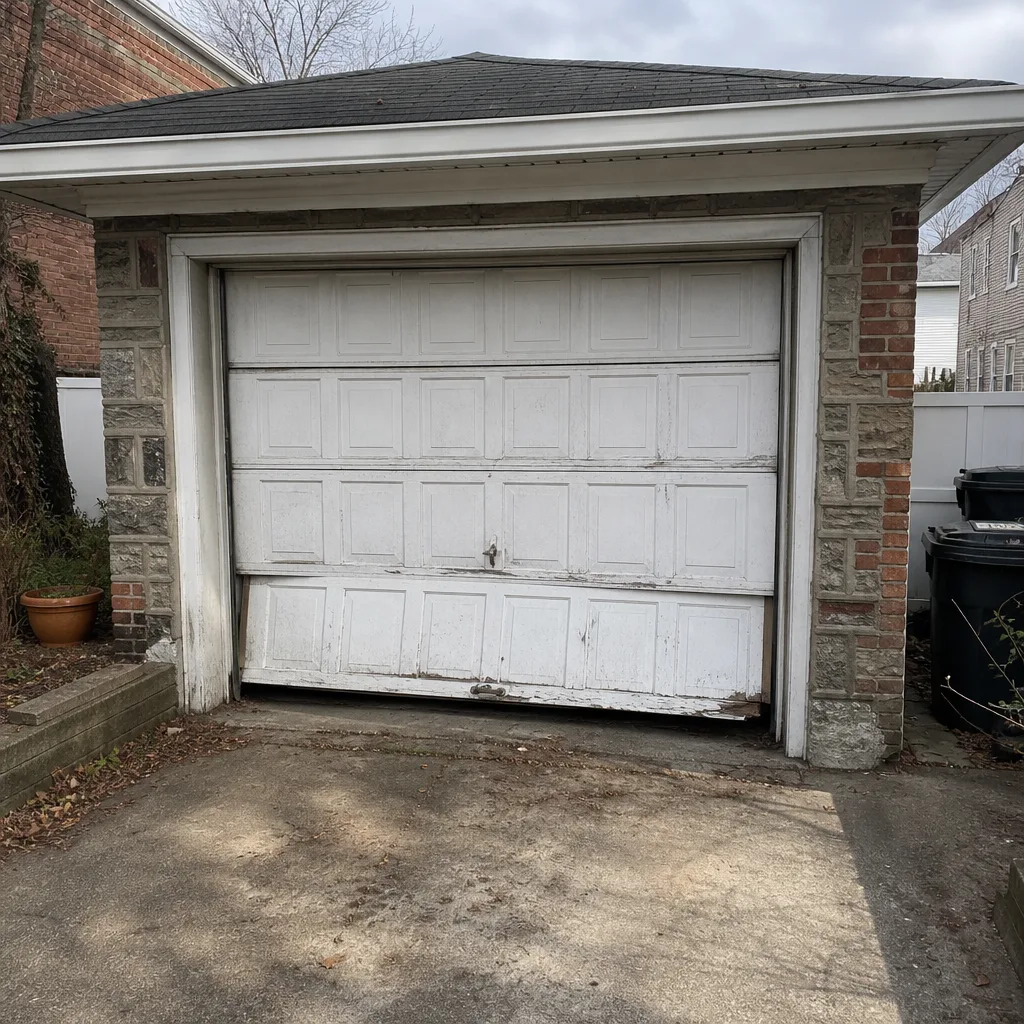 Before
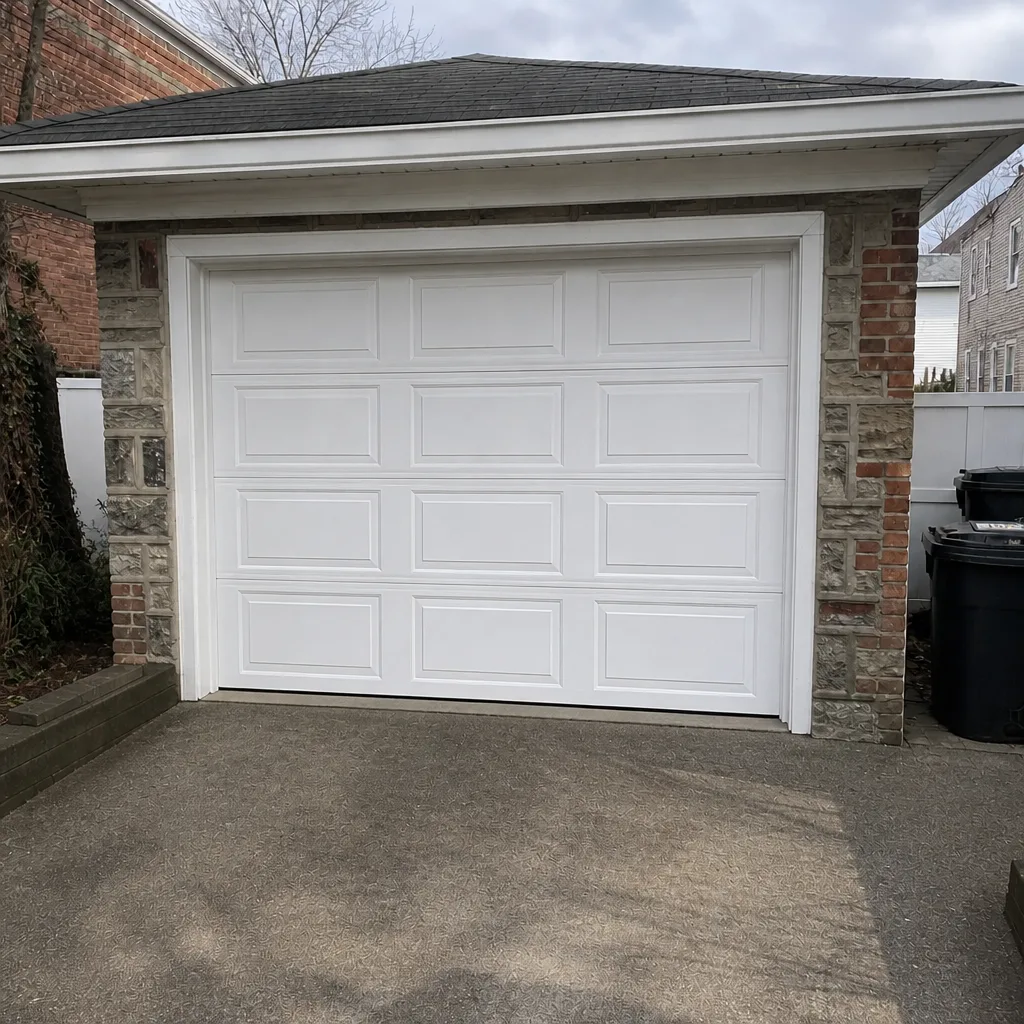 After
When to Call a Professional
Some of this work you can schedule and think about. Some of it you can’t. A snapped torsion spring, a door that’s hanging off one track, a cable that’s frayed, or an opener that’s running but not reversing are all situations where the door needs professional hands, not homeowner tools. Springs are under extreme tension, and this is not a DIY repair; a spring that slips can cause serious injury. If your door won’t secure the building or poses a safety risk, that’s an urgent call, and we offer emergency garage door service for exactly those situations. One call covers the hardware and the opener, whether you’re working with a Clopay door and a LiftMaster opener or a Wayne Dalton door with a Craftsman unit. Garage Door Repair Bedford-Stuyvesant offers free estimates in Bedford-Stuyvesant – call (844) 905-0472.
Frequently Asked Questions
A same-size garage door replacement in the original opening generally does not require a permit in Bedford-Stuyvesant, but a change to the opening, framing, or header usually does. Confirm the exact need with the NYC Department of Buildings or a licensed expediter for your address before ordering. Call (844) 905-0472 for a free estimate and a clear scope.
Replacing an opener with a same-type unit in the same location usually doesn’t require a permit, but work that runs new electrical circuits or mounts an opener to new structure can. The safer move is to confirm with the DOB or a licensed electrician before the work. Call (844) 905-0472 if you want us to take a look first.
A New York City garage door inspection checks balance and travel, entrapment protection (the reversing feature and photoelectric sensors), spring mounting and cable condition, hardware and structural attachment, door panel condition, and labeling. For a permitted job it also confirms the work matches the approved plans. Call (844) 905-0472 to have your door checked before an inspection.
Yes, a broken torsion or extension spring is dangerous to fix yourself because the spring is under extreme tension and can release with enough force to cause serious injury. This is a trained-technician job, and it’s one we handle as a named service. Call (844) 905-0472 for a free estimate on spring repair.
A standard single door installation in Bedford-Stuyvesant typically runs from about $1,200 to $2,400, and a double or oversized door runs from about $2,200 to $4,500, with custom carriage-house styles at the higher end. Permit filing, when required, is separate. The written estimate sets the final price. Call (844) 905-0472 for a free estimate.
The price we quote is agreed before any work starts, so you won’t get a surprise invoice after the fact. If a repair turns up something unexpected, we stop and talk to you before adding anything to the scope. Call (844) 905-0472 for a free estimate and a written price.
The Bottom Line
The permit question in Bedford-Stuyvesant comes down to what you’re changing. A same-size replacement or a repair typically doesn’t need a permit; a structural change to the opening, a new structure, or work on a lot-line rear garage usually does. The code requirements are about safety: entrapment protection on the opener, contained and properly rated springs, structural attachment, and fire separation where a garage touches living space. Bedford-Stuyvesant’s old carriage houses and rear carports make the answer property-specific, so confirm with the DOB before you order. Springs are under extreme tension and not a DIY repair; a trained technician handles that work. And whatever the job, the price is quoted and agreed before any work starts.
If you need a repair, an opener fixed, a spring replaced, or a full door installed in Bedford-Stuyvesant, call Garage Door Repair Bedford-Stuyvesant at (844) 905-0472 for a free estimate. We work on the door you have, whether it’s Clopay, Amarr, Wayne Dalton, or another major brand, and we’ll walk you through the permit and code question for your specific property before the first panel comes off.
Written by the team at Garage Door Repair Bedford-Stuyvesant.