Last updated November 20, 2026
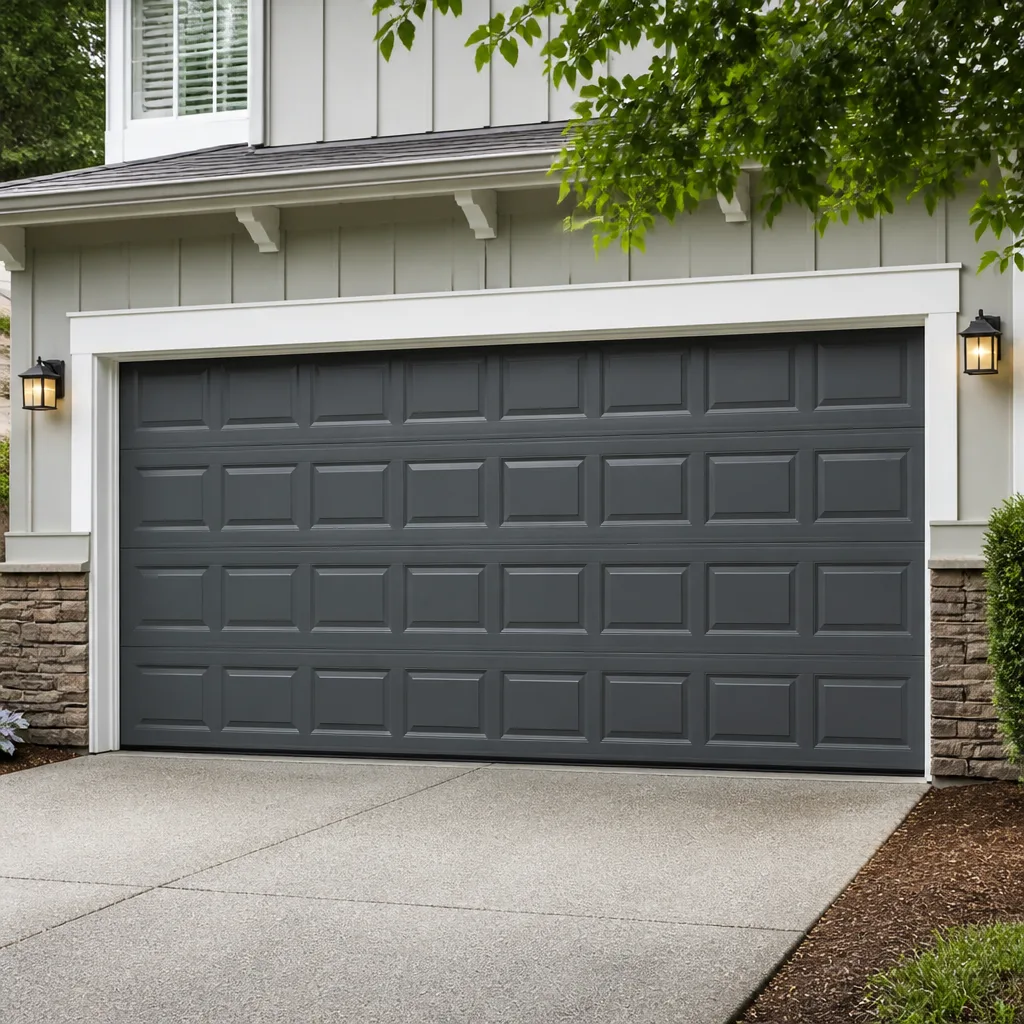 Raised-panel steel
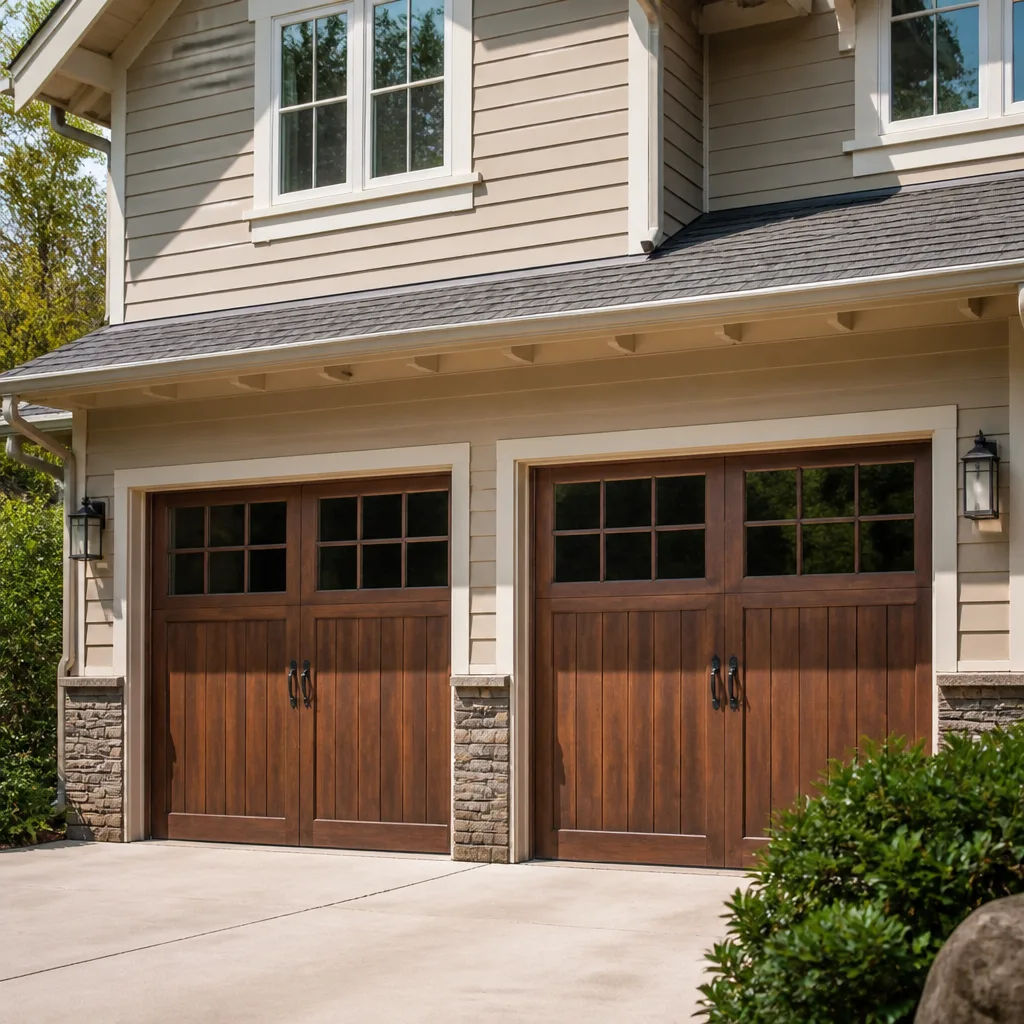 Carriage house
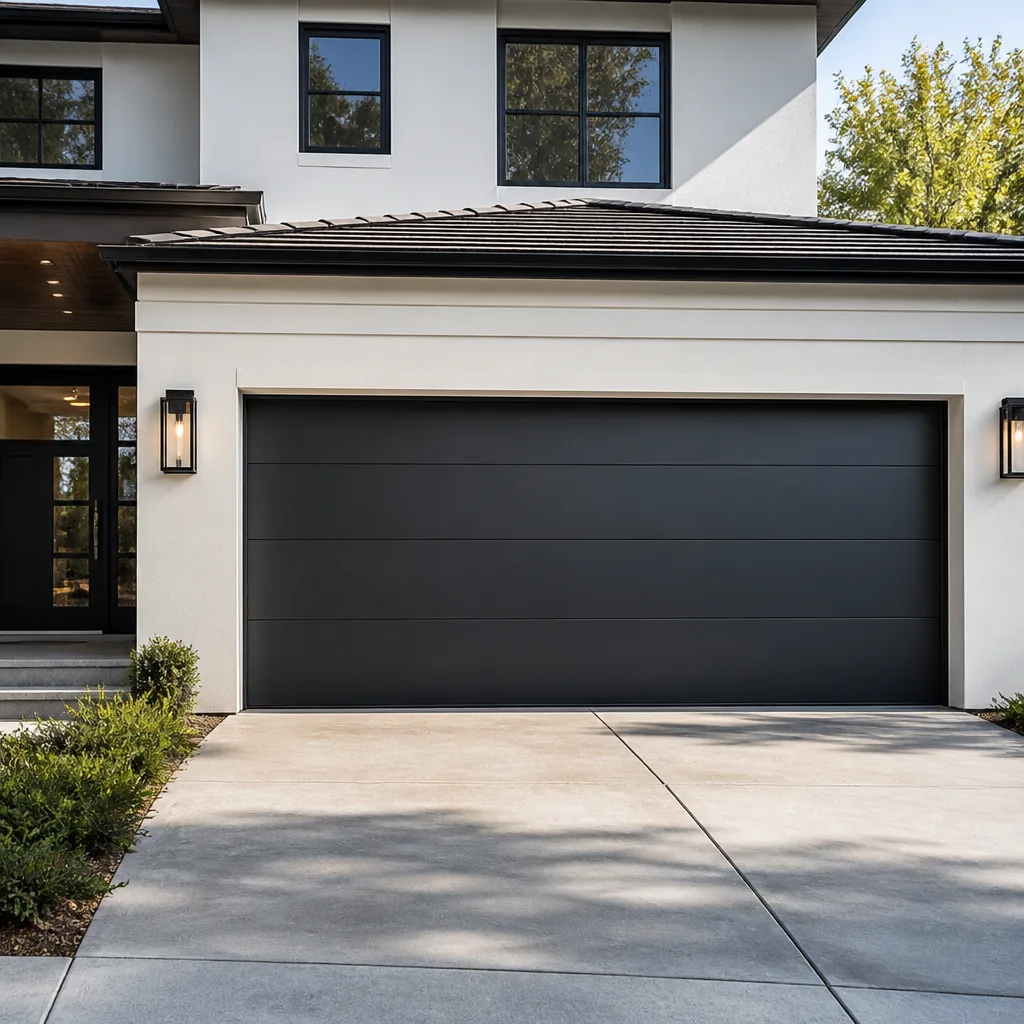 Modern flush
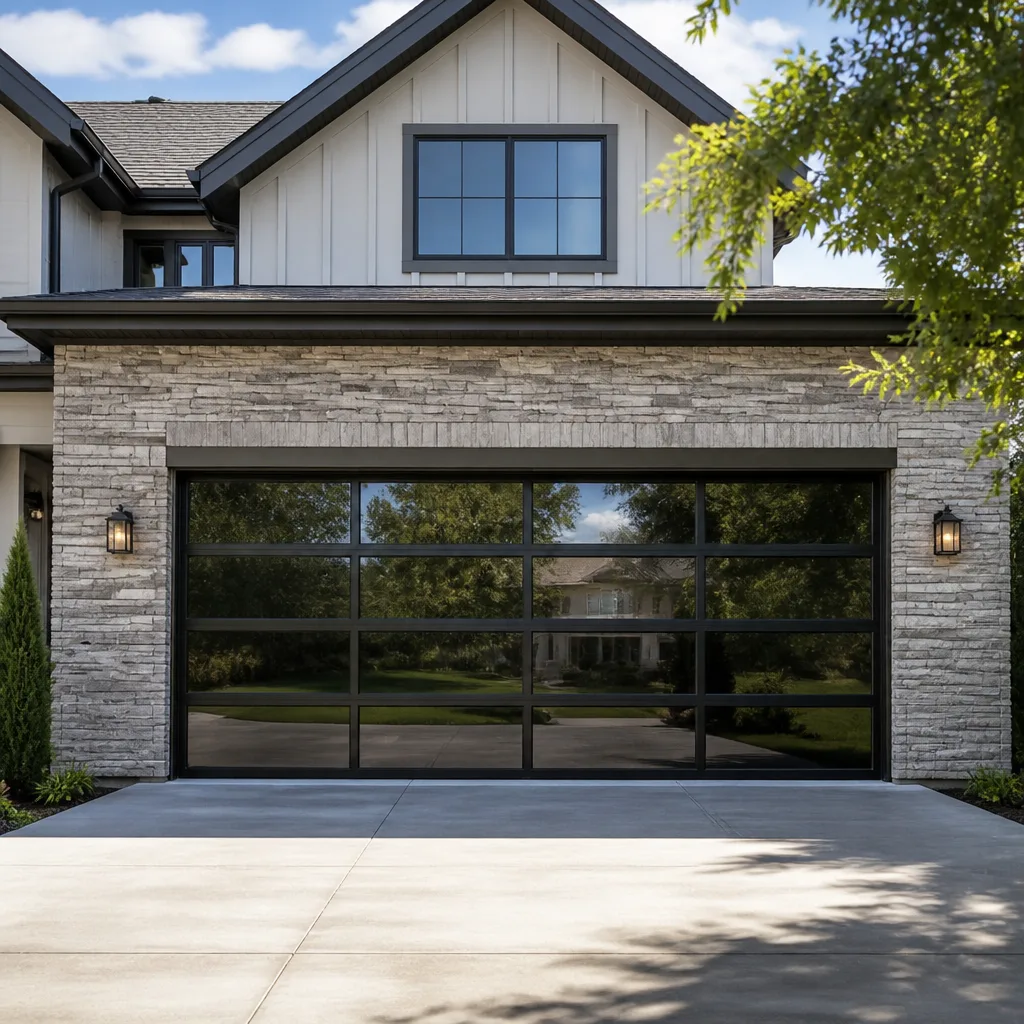 Full-view glass
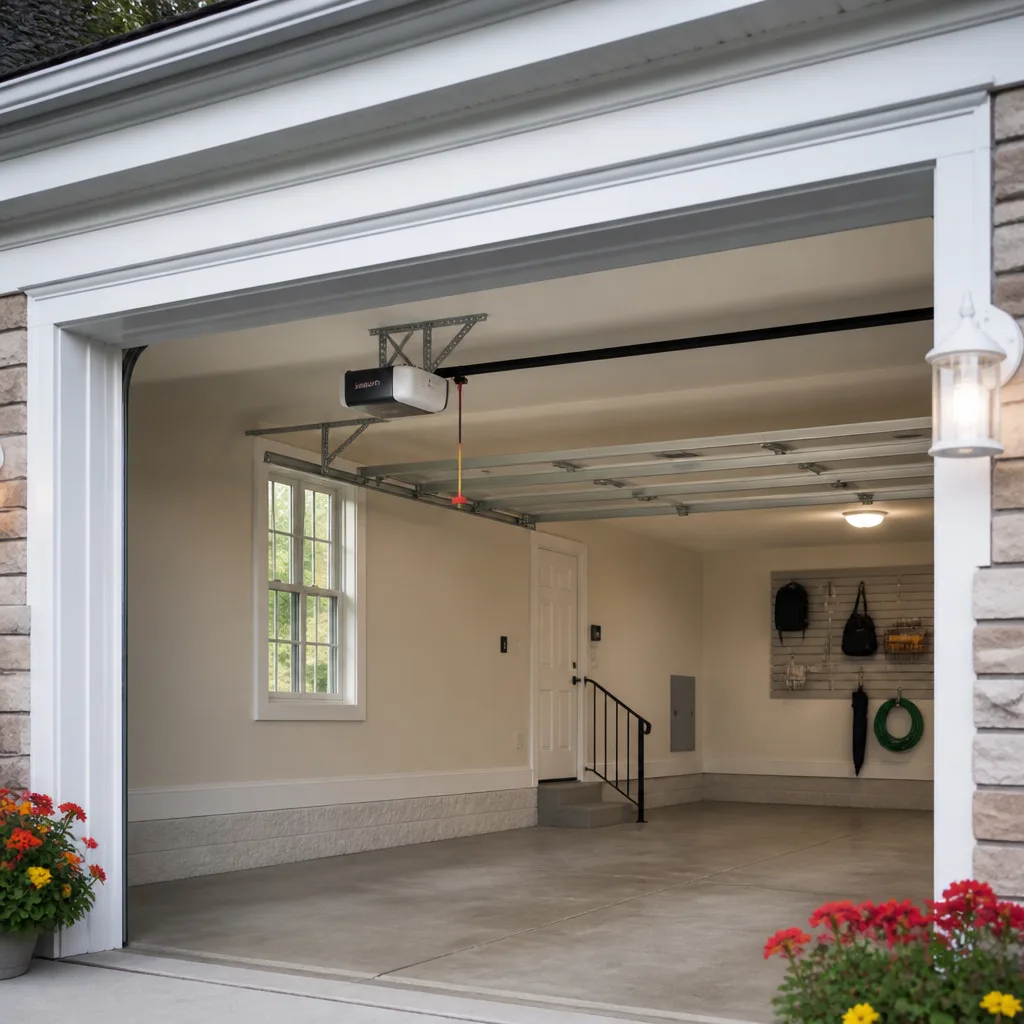 LiftMaster openers
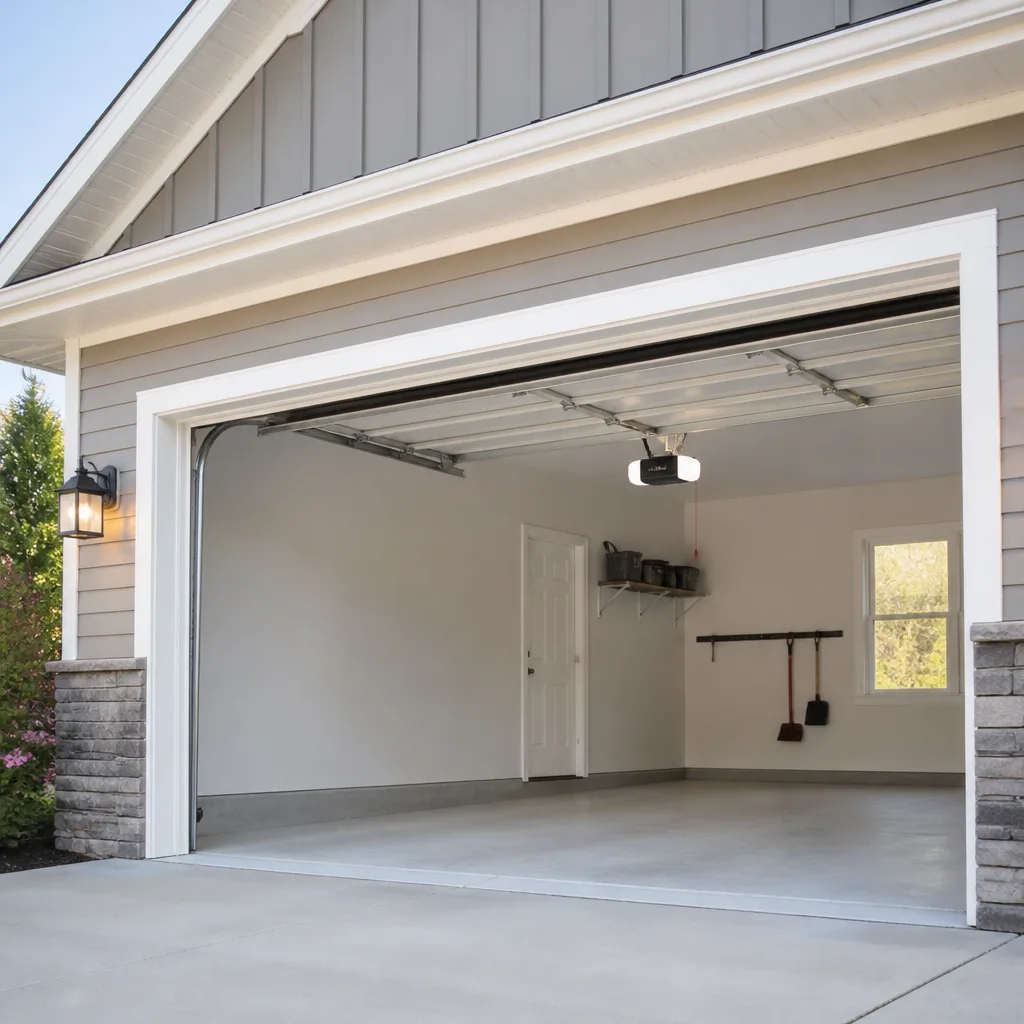 Chamberlain openers
Full 25-point door and opener safety check with every visit - springs, cables, rollers, tracks, and your LiftMaster or Chamberlain opener included
You get a price before we start. It does not change when the pro arrives.
Get your free estimateGarage Door Repair Maintenance Checklist for Bedford-Stuyvesant Homeowners
Most garage door problems don’t announce themselves with a loud bang. They build slowly: a roller that starts squeaking in November, a weather seal that hardens through a cold snap, a photo-eye that gets bumped and waits until the worst possible moment to reveal itself. By the time a door in Bedford-Stuyvesant stops working, the small fix that would have taken fifteen minutes has usually become a bigger one. This guide walks you through a maintenance checklist built for the homes here – brownstones and rowhouses with tight frontages, older doors that have been repainted more than once, and long stretches of freezing nights followed by humid summers. You’ll find what to check, how often, and where it stops being safe to touch. We’ll also flag the calls that are worth making before they turn into emergencies.
Quick Answer
A garage door maintenance routine for Bedford-Stuyvesant homes means monthly visual checks of springs, cables, rollers, and the photo-eye, plus a twice-yearly tune-up that covers lubrication, balance testing, and hardware tightening. The work you can safely do covers about 80% of maintenance, but springs and cables under tension should only be handled by a trained technician. If your door is off-track, hangs unevenly, or a spring has snapped, stop using it and call for repair.
Styles & brands we work with
- Raised-panel steel
- Carriage house
- Modern flush
- Full-view glass
- LiftMaster openers
- Chamberlain openers
Table of Contents
- Why Garage Door Maintenance Matters More in Bedford-Stuyvesant
- The Monthly Visual Checklist
- The Twice-Yearly Tune-Up
- Springs and Cables: What You Can and Can’t Check Yourself
- Opener Maintenance and Smart-Home Systems
- Weather Seals, Tracks, and Winter Prep
- What Noise Tells You About Your Door
- Common Mistakes to Avoid
- When to Call a Professional
- Frequently Asked Questions
Why Garage Door Maintenance Matters More in Bedford-Stuyvesant
Bedford-Stuyvesant sits in a part of Brooklyn where the housing stock works against the garage door. Many of the rowhouses and brownstones here were built long before the modern overhead door existed, so what you’ll often find is a rear or side garage that was added later, fitted into a lot that wasn’t designed for it. That means tight clearances, headers that were modified, and doors that sometimes run on tracks installed on the fly. Doors like this don’t tolerate neglect well, and a door that’s out of alignment on a tight track will wear out rollers faster than a door with breathing room.
The climate doesn’t help. Winters bring repeated freeze-thaw cycles, and the humidity in summer pushes steel parts toward rust if they’re not lubricated. Wooden carriage-style doors – common on the older homes in Stuyvesant Heights and the historic blocks near Fulton Street – swell and shrink with the seasons, which shifts hinge alignment and stresses the hardware. A Clopay steel door and an older wooden door age differently, but both need the same basic attention.
There’s a third factor that’s specific to this neighborhood: many properties here, especially those owned by property managers, have tenants in a unit above or beside the garage. When a door fails, the person calling isn’t always the person who can decide to spend money on the repair. That gap – between the person who notices and the person who approves – is one of the biggest reasons small issues in Bedford-Stuyvesant turn into emergency calls. A maintenance routine with a clear checklist makes the conversation easier.
In our experience, routine maintenance is also the easiest way to keep a repair small. A roller that costs very little to replace becomes a bent track and a misaligned panel when it’s ignored for six months. Maintenance is not just about extending the door’s life. It’s about controlling the cost of what breaks next.
The Monthly Visual Checklist
Once a month, with the door closed and nobody standing near it, walk the perimeter and do a visual pass. This should take less than ten minutes. You’re looking for changes since last month – not diagnosing anything, just noticing. If something looks wrong, write it down and watch it for a week before deciding whether to call.
- Look at the springs. If you have torsion springs (mounted horizontally above the door), check for visible gaps or a broken coil. If you have extension springs (running along the sides), look for stretched coils or separated sections. Don’t touch. Just look.
- Check the cables. Both cables should sit evenly in their drums, not frayed, kinked, or slack on one side.
- Inspect the rollers. Look for rollers that are cracked, missing their bearing, or sitting loose in their brackets.
- Walk the track. Run your eyes along the vertical and horizontal tracks. They should be straight, with no visible dents or separation at the joists.
- Test the photo-eye. With the door fully open, wave an object across the safety sensor at the base of the track. The door should begin closing, sense the obstruction, and reverse. If it doesn’t respond, stop using the door.
- Check the weather seal. Look at the bottom seal against the ground. Any gap wider than a finger width means cold air, water, pests, and small rodents have an entry point.
- Look at the panels. Any new dents, warping, or lean? Panels out of alignment stress the tracks and the springs.
- Test the balance. Disconnect the opener (usually by pulling the red emergency release), lift the door halfway, and let it go. It should stay in place. If it falls or rises on its own, the springs are out of balance and you’ll need a technician.
If you do only one thing on this list every month, do the balance test. It’s the single clearest sign a spring is on its way out.
The Twice-Yearly Tune-Up
Twice a year, in early spring and late fall, spend an hour on the parts of the door you can touch safely. This is the work that keeps a garage door quiet and aligned. Spring and fall are the right times in Bedford-Stuyvesant because the temperature swings here are widest at those moments, which is when a bit of preventive attention pays off most.
- Lubricate the rollers and hinges. Use a garage-door-specific lubricant, not general household oil. A few drops on each hinge pin and roller bearing is enough.
- Lubricate the springs. Yes, springs can be sprayed with a light coating of the same lubricant to reduce friction and rust. Spray them in place, don’t disconnect anything.
- Check all hinge and bracket bolts. Use a socket wrench and confirm each bolt is snug. Don’t over-tighten – snug is the goal.
- Examine and clean the tracks. Wipe down the tracks with a damp cloth. Don’t lubricate the tracks themselves; they’re meant to stay dry so the rollers can roll cleanly.
- Test the auto-reverse. Place a piece of wood (or a firm foam block) under the door and close. The door should reverse on contact. If it doesn’t, the opener needs adjustment.
- Test the force settings. Close the door by hand and check that it takes deliberate pressure – not strain, not a feather’s touch. If it’s too easy or too hard, the opener’s force limits need adjusting.
- Check the tracks at the wall brackets. Vibration and settling loosen these over time. A slightly loose wall bracket affects alignment.
- Clean the photo-eye lenses. A soft cloth removes the dust and cobwebs that cause false obstructions.
Two of these steps are worth calling out for Bedford-Stuyvesant homeowners. The first is the auto-reverse test. On tight rowhouse properties where the garage backs onto a driveway shared with a neighbor or a sidewalk, the reverse function is not optional. Second, the wall-bracket check: rowhouse garages often attach tracks to older masonry or framing that has shifted slightly over the decades. Loose brackets there are common.
Springs and Cables: What You Can and Can’t Check Yourself
Springs are the most important part of the door and the most dangerous to touch. They store the energy that lifts a door weighing far more than most people realize – a single-car door usually runs 130 to 200 pounds, and a double-car door can be twice that. A spring under tension holds the weight of that door in check. If it lets go while you’re near it, the result is serious injury. This is not a DIY job, and any guide that suggests otherwise is wrong.
What you can do:
- Visual inspection from a safe distance, standing to the side, never underneath the door.
- Listen for the sound of the door in motion. A door that’s suddenly much harder to lift by hand often has a spring issue.
- Notice how the door behaves when the opener runs. A door that opens a foot and stops, or hangs halfway, is a spring or cable problem.
- Take a photo of the springs and send it to a technician if you’re not sure what you’re seeing.
What you should not do:
- Adjust, remove, or replace either torsion or extension springs.
- Loosen, adjust, or reattach cables. Cables are under the same tension as springs.
- Use the opener with a broken spring. The opener will strain trying to lift the door’s full weight and can fail or damage itself.
- Attempt to “wind” a torsion spring to test it. The winding bars and settings differ between brands and door weights.
Springs are one of the most technically demanding repairs on a garage door, and a dedicated garage door repair Bedford-Stuyvesant visit is usually the safest and fastest path. A trained technician will match the spring to your door’s weight, correct the winding, test the door balance, and confirm the opener’s limits – all in a typical service call. We work on the door you have, whether the springs are on a Clopay, an Amarr, or an older door whose manufacturer label is long gone.
Opener Maintenance and Smart-Home Systems
Most openers in Bedford-Stuyvesant homes fall into one of two camps: modern units with smart-home integration, and older chain-drive units that have been running reliably for years. Both need the same basic maintenance, but the electronics need a different kind of attention.
Basic opener maintenance
- Test the wall-mounted control and every remote you have in the household once a month.
- Replace remote batteries at the first sign of laggy response, not after the remote dies.
- Clear the travel path of the door for the opener’s safety reverse to work correctly. Anything within six inches of the door’s path is a potential obstruction.
- Check the manual release – the red cord and handle – to confirm it moves freely. A stuck release is dangerous if you ever need it in an emergency.
Smart-home openers
If your home runs a LiftMaster or Chamberlain opener with myQ integration, spend ten minutes twice a year on the connected features. Confirm the Wi-Fi has stayed connected, check that the app shows the door’s real position, and update the firmware if your opener supports it. On properties that are rented out, remote monitoring is the easiest way for an out-of-town owner to know the door closed. If the app is showing a “door open” alert that doesn’t match reality, the sensor alignment or the door’s travel limits need adjusting.
Older Craftsmans and legacy units
Craftsman openers from earlier decades are still running in a lot of Brooklyn homes, and they don’t need to be replaced just because they’re old. Their weak points are usually the logic board, the safety sensor wiring, and the gear and sprocket kit. A technician trained on legacy Craftsman units can diagnose and repair those parts instead of selling a full replacement.
When the opener needs a technician
Call for a professional if the door runs partway and reverses, if the opener runs but the door doesn’t move, if the motor makes grinding noises, or if the lights flash in a pattern you don’t understand. Those symptoms point to force-limit or logic-board issues that need proper diagnosis.
Weather Seals, Tracks, and Winter Prep
A garage door in Bedford-Stuyvesant faces two real seasonal threats. Winters bring repeated freeze-thaw cycles that harden rubber seals and stress the steel parts. Late summer brings humidity that finds its way into every hinge and bearing. Prep for both.
Winter prep
- Replace any bottom seal that has cracked or compressed. A worn seal lets snow, water, and cold air through.
- Lubricate the rollers and hinges before the first hard freeze. Cold grease stiffens; light lubricant stays workable.
- Check the door’s balance in November. A spring that’s near the end of its life will fail in cold weather more often than in warm.
- Clear the area in front of the door of standing water and debris so the door has a level path.
Summer prep
- Inspect for rust on rollers, hinges, and track sections. Rusted hardware starts dragging in dry weather and grinds in the wet.
- Check the photo-eye alignment after any yard work or painting.
- Confirm that the door’s weatherstripping around the frame is intact – humidity finds gaps.
Tracks and alignment
The horizontal tracks should sit level and parallel. On Bedford-Stuyvesant homes where the garage was added to a lot later, the tracks sometimes rest partly on a beam that has shifted. If you notice a slight lean in the door when it opens, or a corner that doesn’t sit flush when closed, that’s a track alignment issue – usually fixable without major parts, but it does need a technician. Don’t try to bend or force tracks back into position yourself.
What Noise Tells You About Your Door
Noise is the door’s own diagnostic system. Different sounds point at different problems, and learning to hear them is one of the fastest ways to catch issues early.
- A single sharp bang. A spring has broken. Stop using the door.
- Rhythmic squeaking. Usually dry rollers or hinge pins. Lubrication fixes it.
- Grinding or scraping. The track is out of alignment, the door is off its rollers, or a panel has shifted.
- Rattling from the ceiling. Loose opener bolts or a worn chain-drive gear set. Chain drive is the loudest of the drive types; belt drive is quieter.
- Squealing from the motor. Gear or sprocket wear, usually on older chain-drive openers.
- A thud at the bottom of travel. The opener’s close-limit setting is too low, or there’s debris in the path.
If a noise shows up suddenly and doesn’t go away after a light lubrication pass, call for a technician. A grinding that starts as an annoyance tends to become a track problem, which tends to become a door-off-track problem, which tends to become an emergency call.
Common Mistakes to Avoid
- Using the opener with a broken spring. The opener will strain to lift the door’s full weight, and it can fail in the process. Stop using the door the moment you suspect a spring issue.
- Oiling the tracks. This seems sensible but does the opposite. Lubricant on the tracks collects dust and grit and makes rollers slip. Tracks stay dry; rollers and hinges get the oil.
- WD-40 as the only lubricant. General-purpose spray is fine for loosening a stuck hinge, but it doesn’t have the staying power of a proper garage-door lubricant. Use the right product.
- Ignoring a slightly uneven door. A door that sits lower on one side when closed is telling you a cable, spring, or track is off. Left alone, that small misalignment wears the rollers and stresses the opener.
- Attempting to adjust a torsion spring with the door up. Some risk-takers try this. It’s how serious injuries happen. Springs are adjusted with the door closed and the tension off, using winding bars and door-weight calculations. That’s a trained technician’s job.
- Painting over a rusted panel or hardware. Paint hides the rust but doesn’t stop it. In Bedford-Stuyvesant’s humid summers, rusted rollers start binding faster than you’d expect.
- Not testing the photo-eye after moving anything near the door. A bumped sensor, a new storage rack, a repainted wall – all of these shift the eye out of alignment. Test the safety reverse after any change near the door.
When to Call a Professional
Some maintenance belongs in your hands. Some doesn’t. Call a professional when a spring is broken or visibly sagging, when a cable is frayed or off its drum, when the door is off its tracks, when the door hangs noticeably to one side, when the opener runs but the door doesn’t move, when any of the noise patterns above show up and don’t resolve, or when the door failed in a way that leaves it stuck open or stuck closed. If the door is stuck open, that’s also a security issue – call the same day.
Garage Door Repair Bedford-Stuyvesant offers free estimates in Bedford-Stuyvesant – call (844) 905-0472. We handle spring repair, opener repair, full door installation, and emergency service for doors that can’t wait. Our technicians have up to 8 years of experience and are trained on the eight major brands you’ll typically find on Brooklyn doors, including LiftMaster, Chamberlain, Genie, Clopay, Amarr, Wayne Dalton, Craftsman, and Raynor. One call covers the hardware and the opener, and the price is quoted and agreed before any work starts.
Frequently Asked Questions
Twice a year is right for most Bedford-Stuyvesant homes, in early spring and late fall, plus a quick visual check every month. The freeze-thaw cycles in this part of Brooklyn are harder on door hardware than a mild climate would be, so a two-tune-up routine holds up better than an annual appointment. A door that gets heavy use or sits on an older track should stay on the twice-yearly schedule even if nothing is obviously wrong. Call (844) 905-0472 for a free estimate if you’re not sure when it was last serviced.
No. Garage door springs are the single most dangerous part of the door to work on. Torsion springs are wound to a specific tension that matches your door’s weight, and releasing that tension without the right tools and settings causes serious injury. A trained technician handles springs safely – spring repair is a dedicated service we provide for exactly this reason.
A door that reverses before reaching the ground is almost always a photo-eye or travel-limit issue. The safety sensor at the base of the track has either been knocked out of alignment or has dust on its lens, or the opener’s close-limit setting is set too high. Clean the sensor lenses first, check that they’re facing each other, and if the problem continues, the opener’s close-limit needs a professional adjustment.
The balance test is the most important single check. Disconnect the opener, lift the door halfway, and let go. A balanced door stays in place. A door that drops or rises on its own has spring trouble, and that’s the first thing to fix before anything else on the checklist matters.
Not usually. Individual panels can often be replaced without replacing the door, as long as the manufacturer still produces the panel model – Clopay and Amarr both keep parts available for many models, and the technician can match the color and profile. If the door is out of production or the panels are structurally compromised, a full replacement may make more sense. A free estimate will tell you which path is more economical.
Older openers can usually be repaired, and repair is often the right call. Legacy Craftsman units and older LiftMaster or Chamberlain models stay in service for years with a new gear and sprocket kit or a sensor wiring fix. Replace the opener if the logic board has failed and the replacement part is no longer available, or if the opener can’t lift the door safely even after adjustment. A technician can tell you which situation you’re in during a service call.
The Bottom Line
Garage door maintenance in Bedford-Stuyvesant is mostly about rhythm: a monthly visual pass, a twice-yearly tune-up, and a clear sense of which items you handle and which need a trained technician. Springs and cables are always the latter. Rollers, hinges, weather seals, photo-eyes, and the balance test are all within reach for most homeowners. The doors on older Brooklyn homes are often running on tracks that have settled a little, springs that are near the end of their life, or openers that haven’t been adjusted since the last panel repair. Catching those issues before they turn into a stuck door saves money and time. When something exceeds your comfort level, call.
If you’re not sure whether a noise, a lean, or a slow-closing door needs attention, our team is glad to look. Call (844) 905-0472 for a free estimate – we’ll give you a straight answer on what’s safe to wait on and what isn’t. Estimates are free, prices are quoted before work starts, and the same call covers the door and the opener.
Written by the team at Garage Door Repair Bedford-Stuyvesant.
See the difference
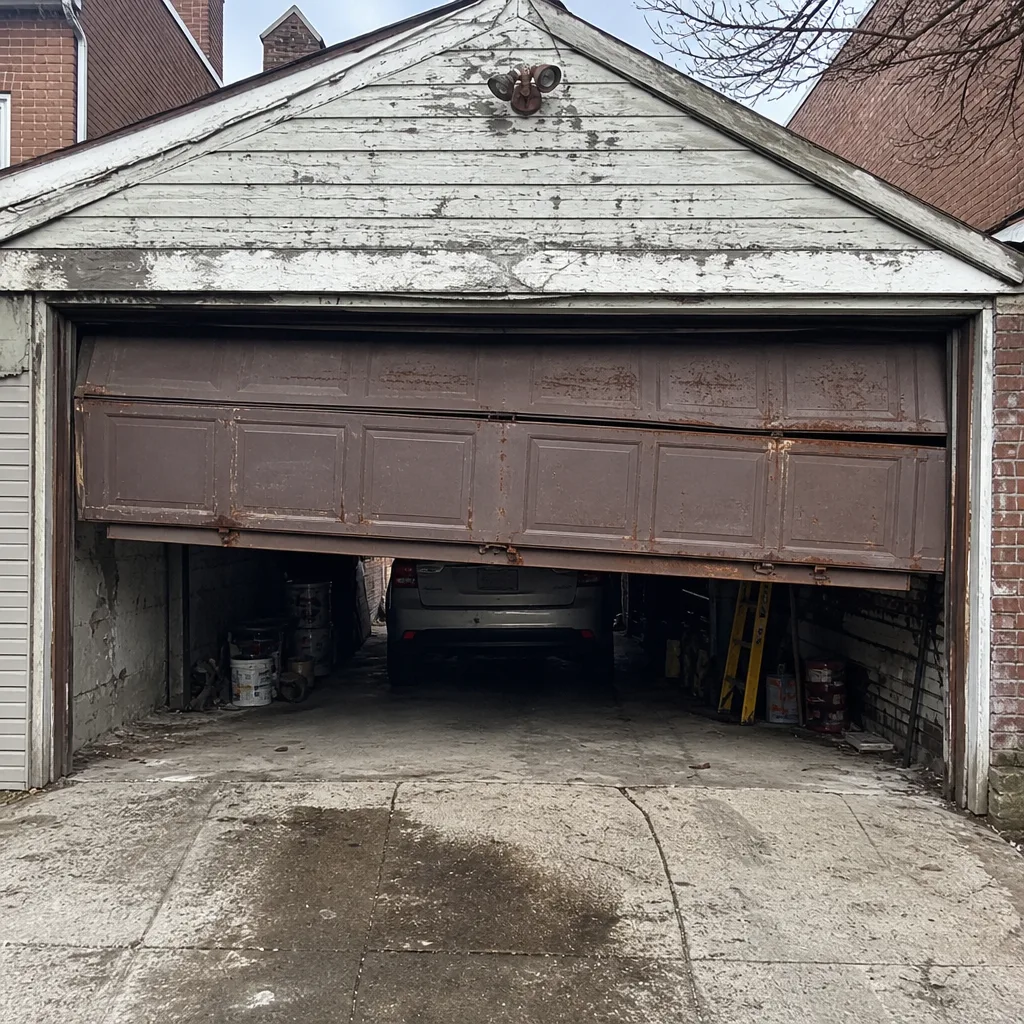 Before
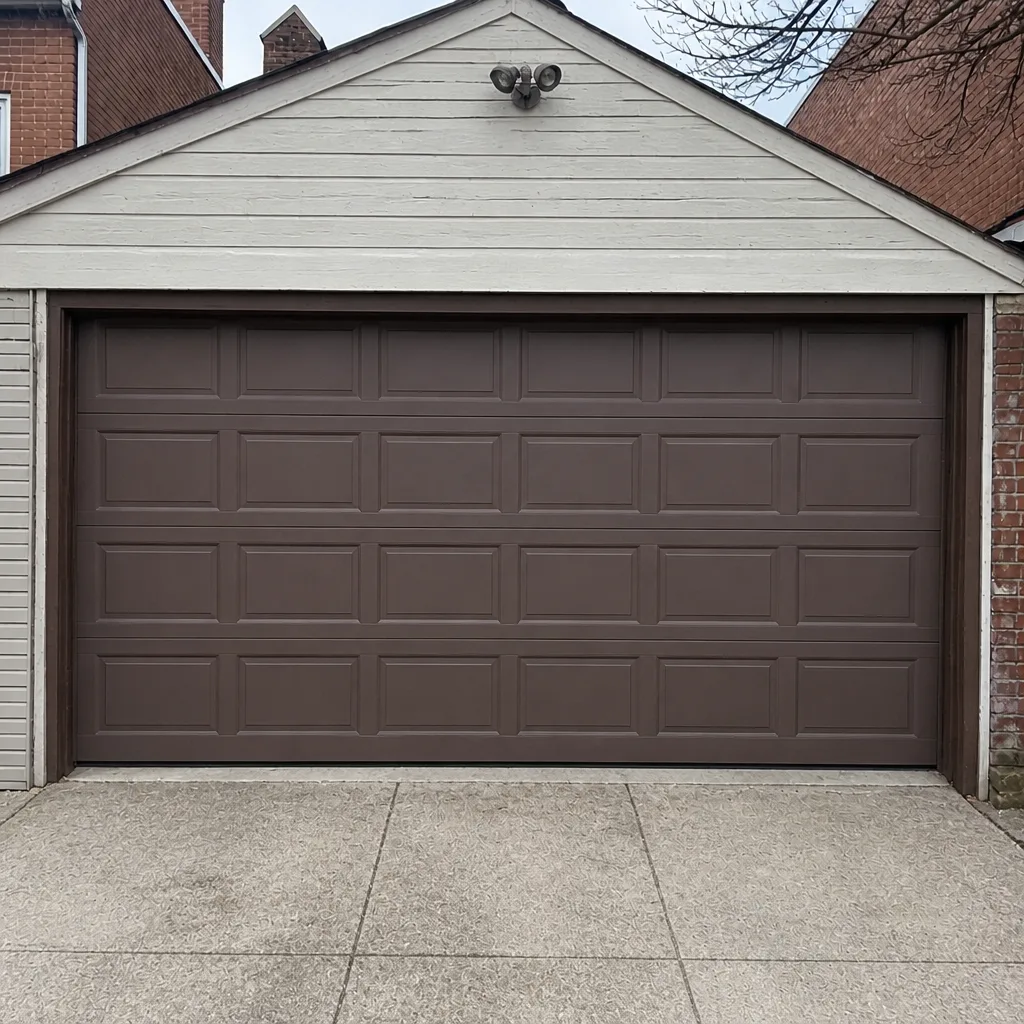 After
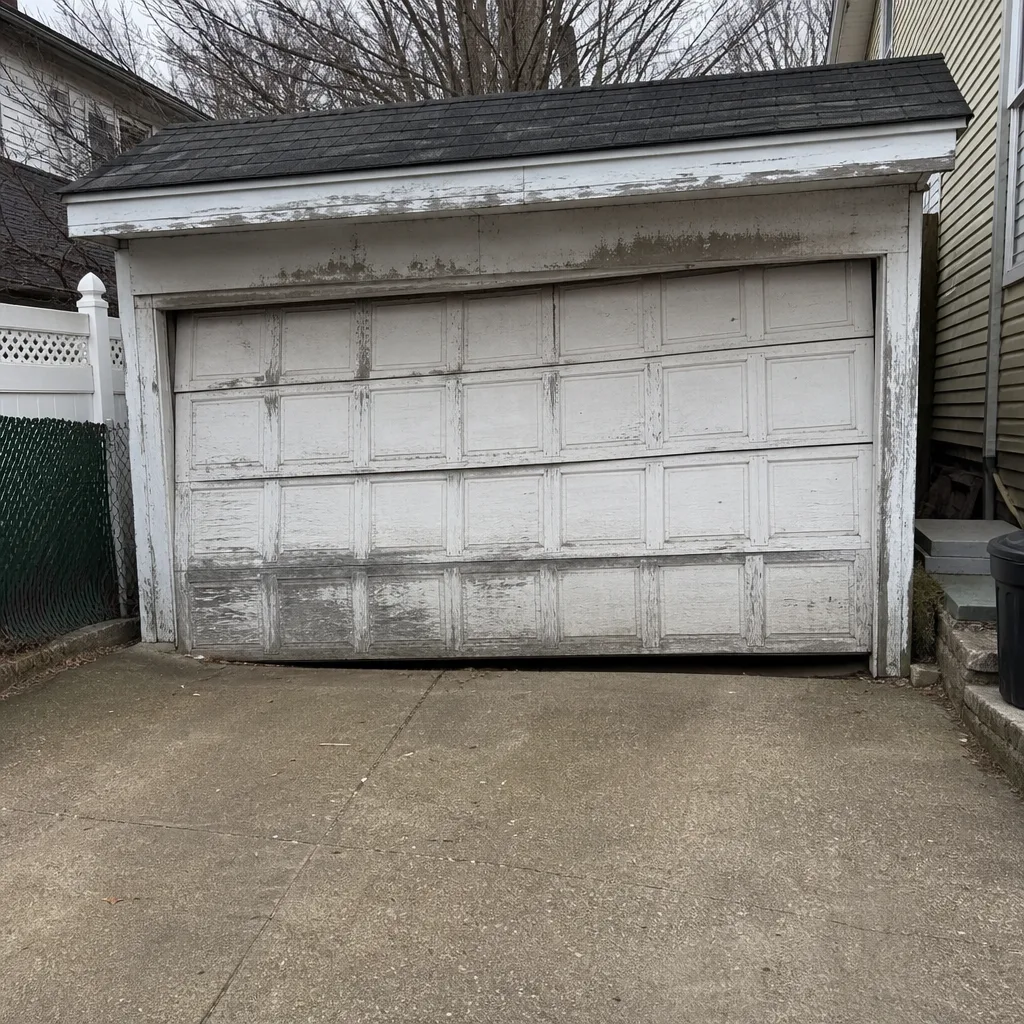 Before
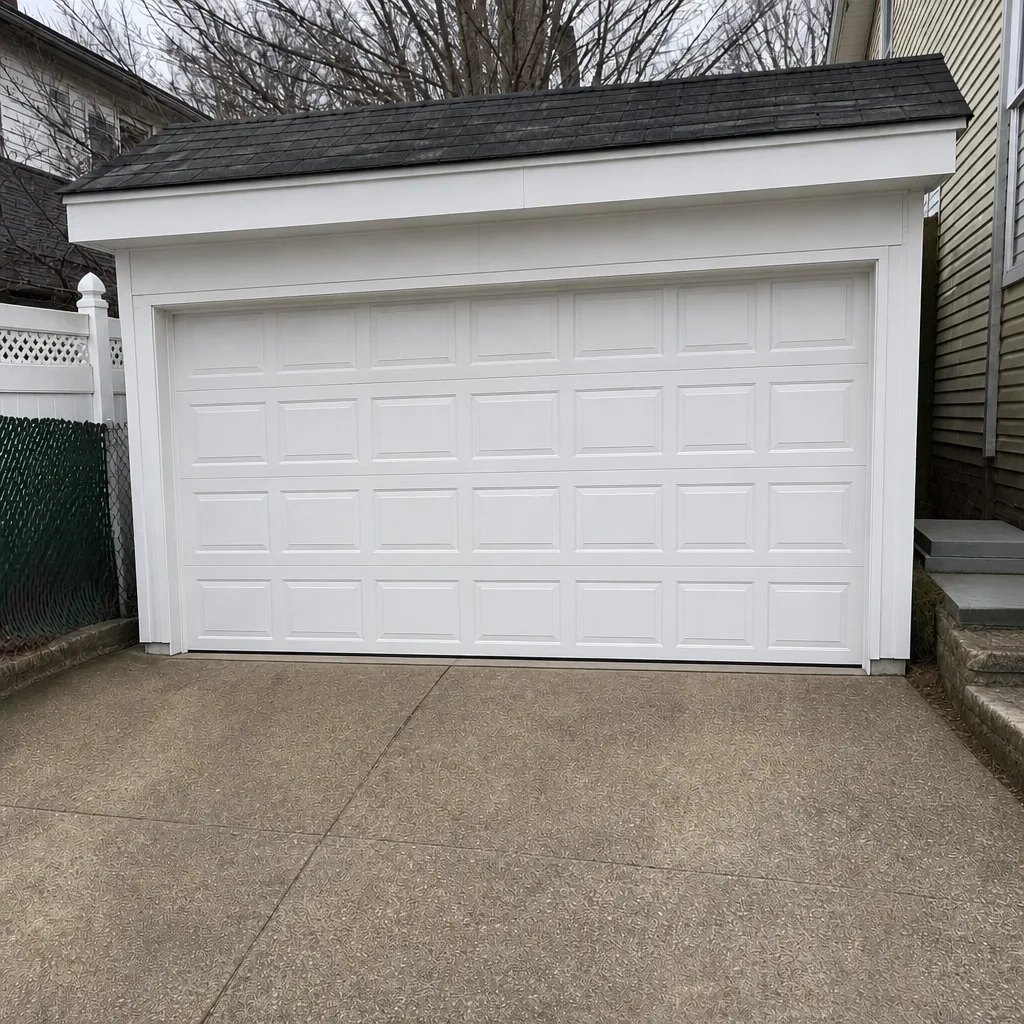 After
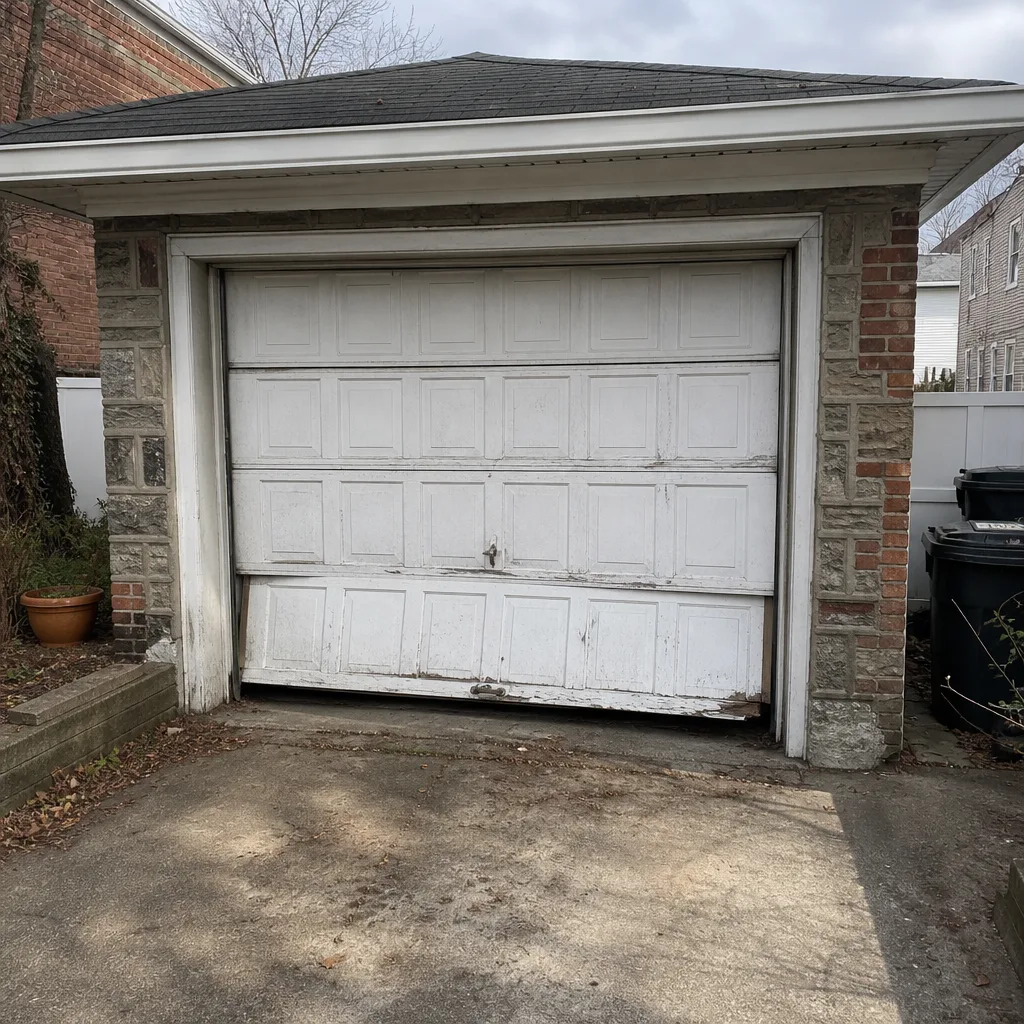 Before
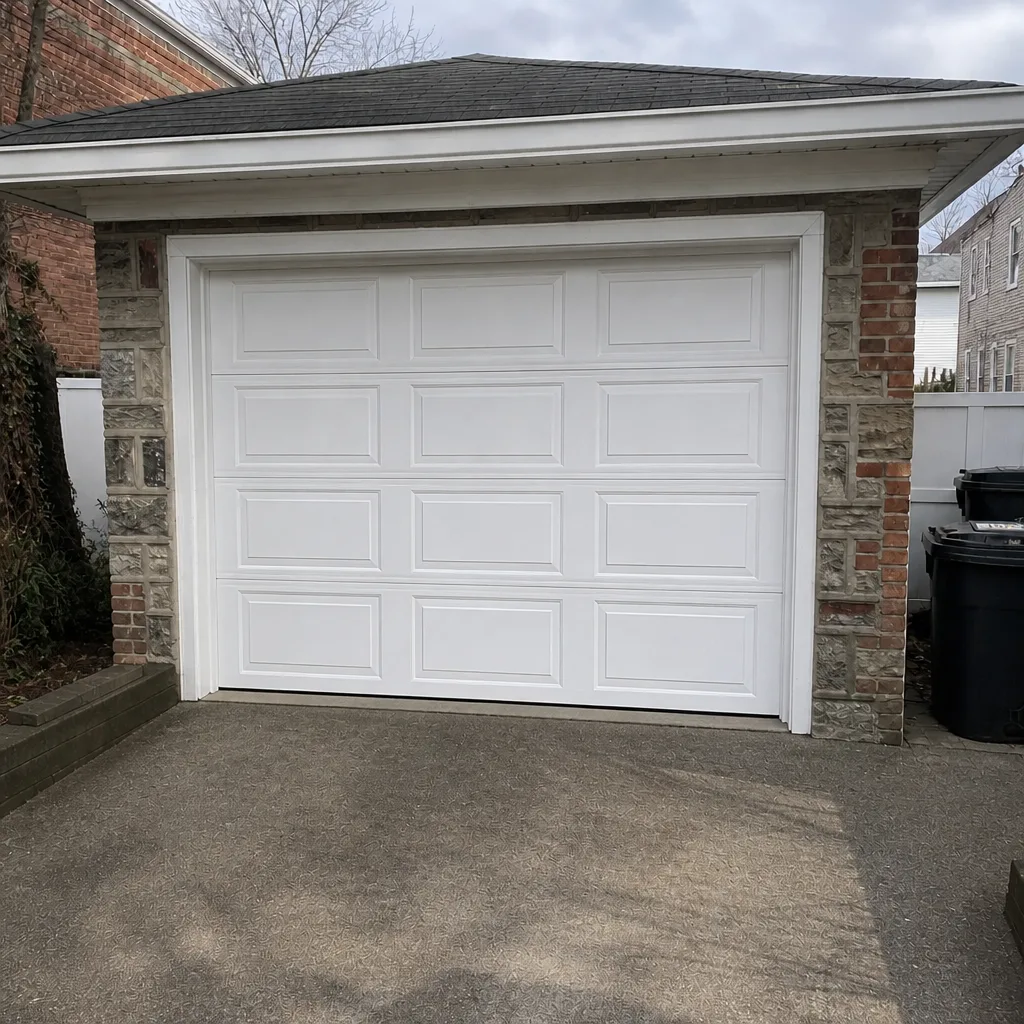 After