Last updated November 20, 2026
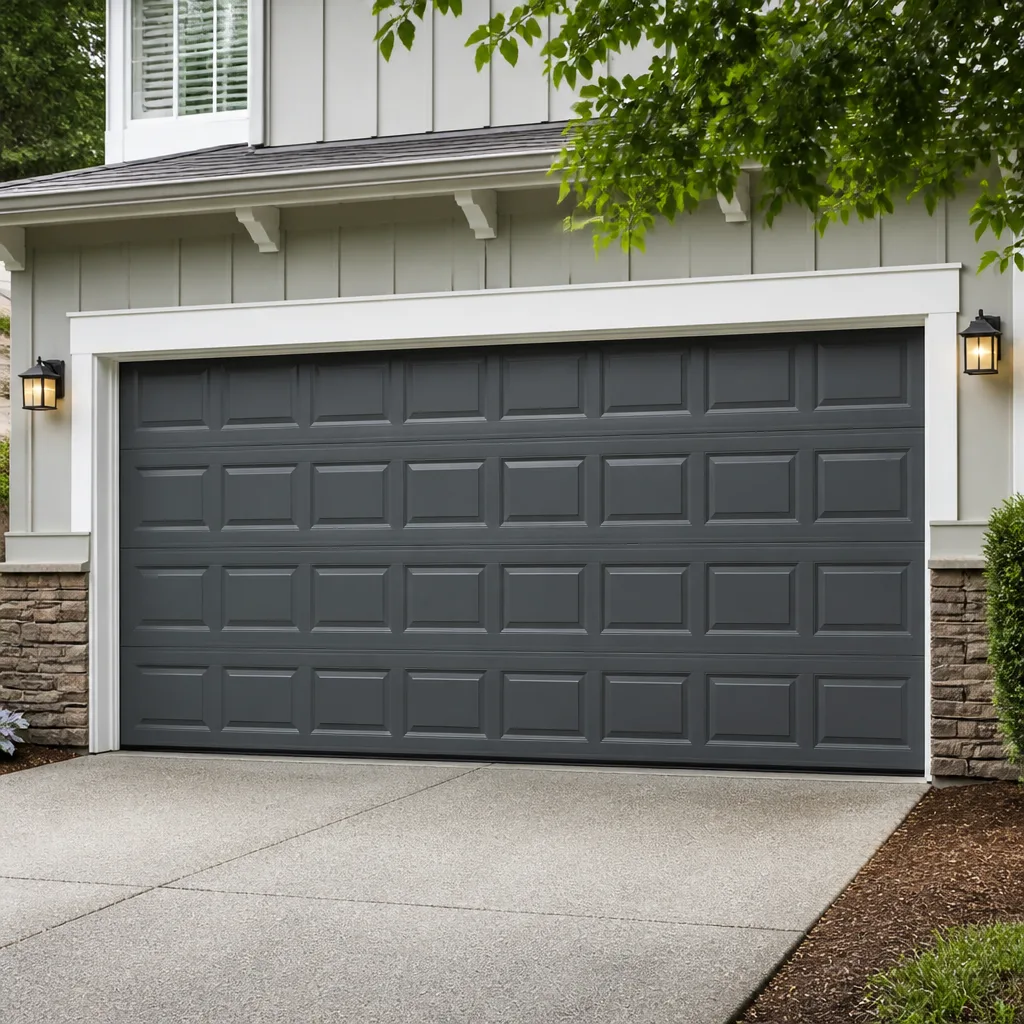 Raised-panel steel
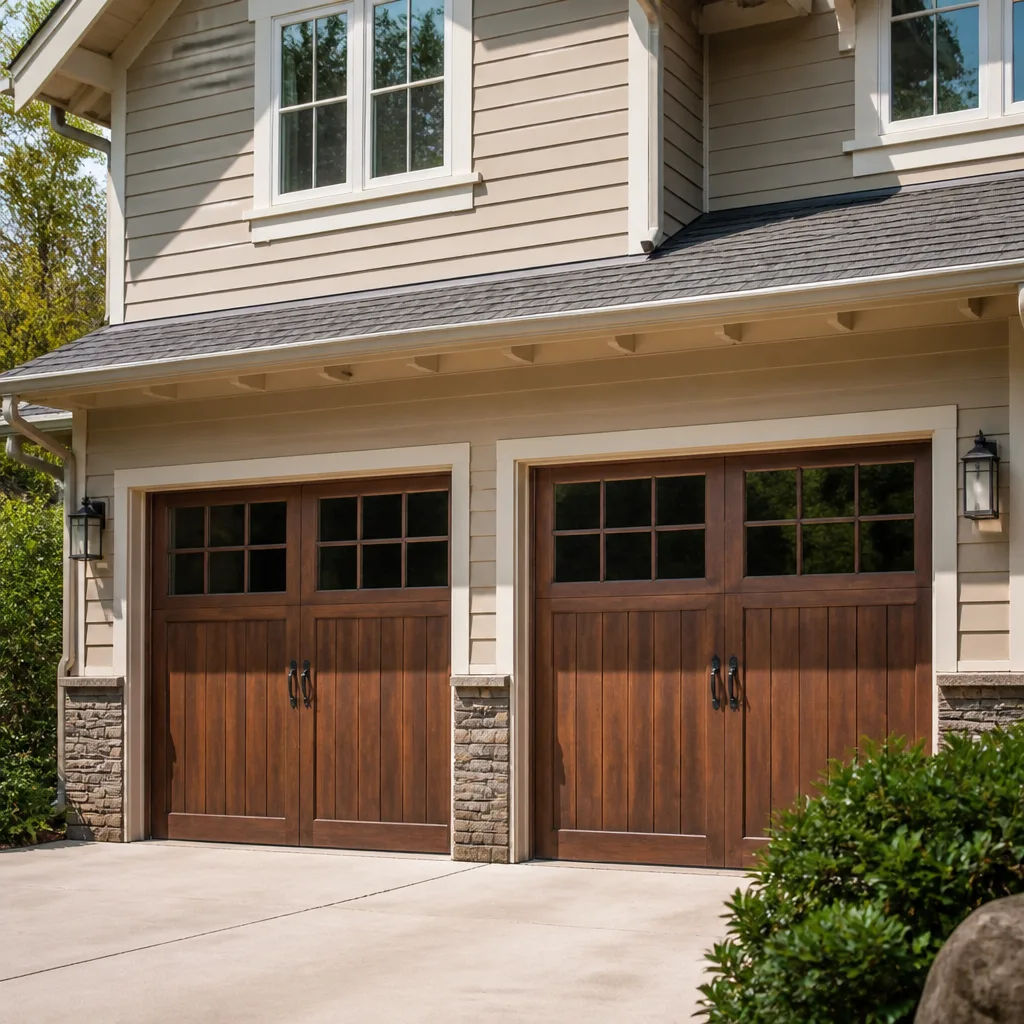 Carriage house
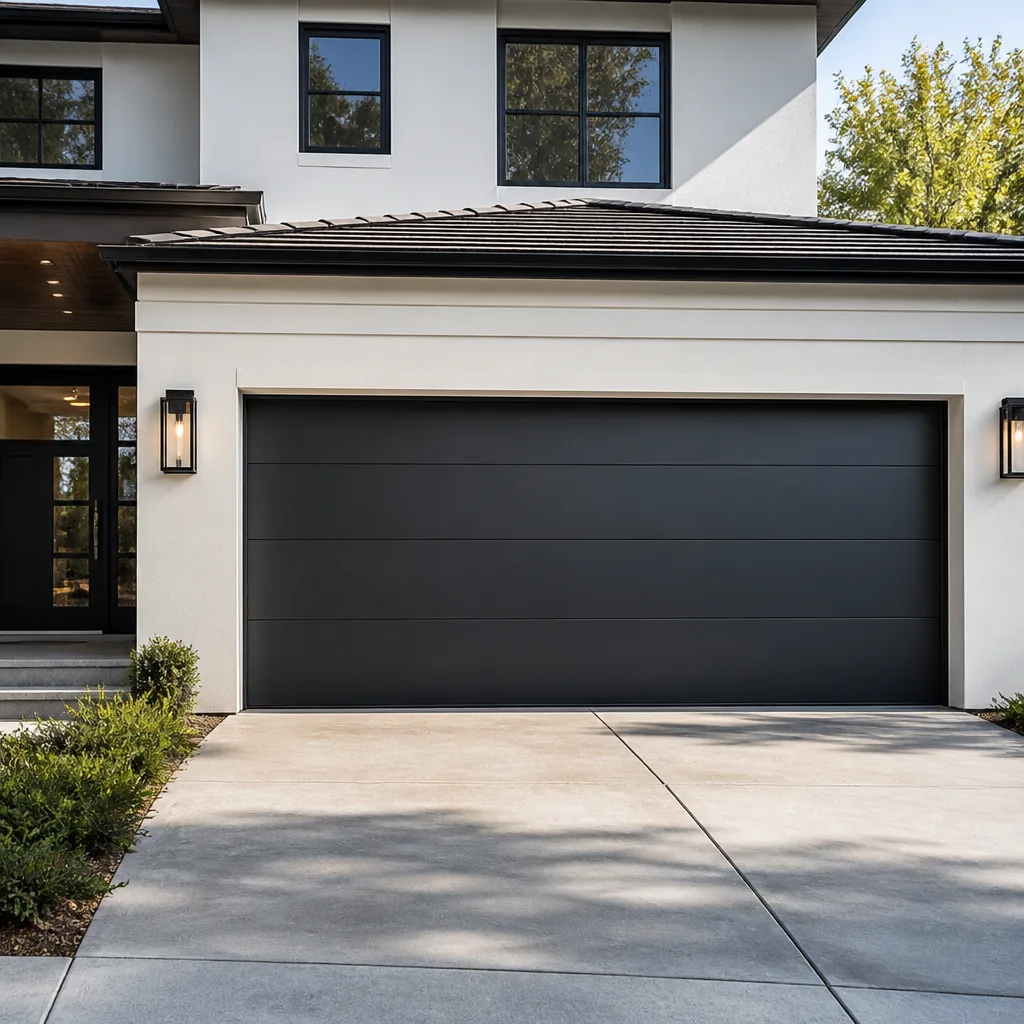 Modern flush
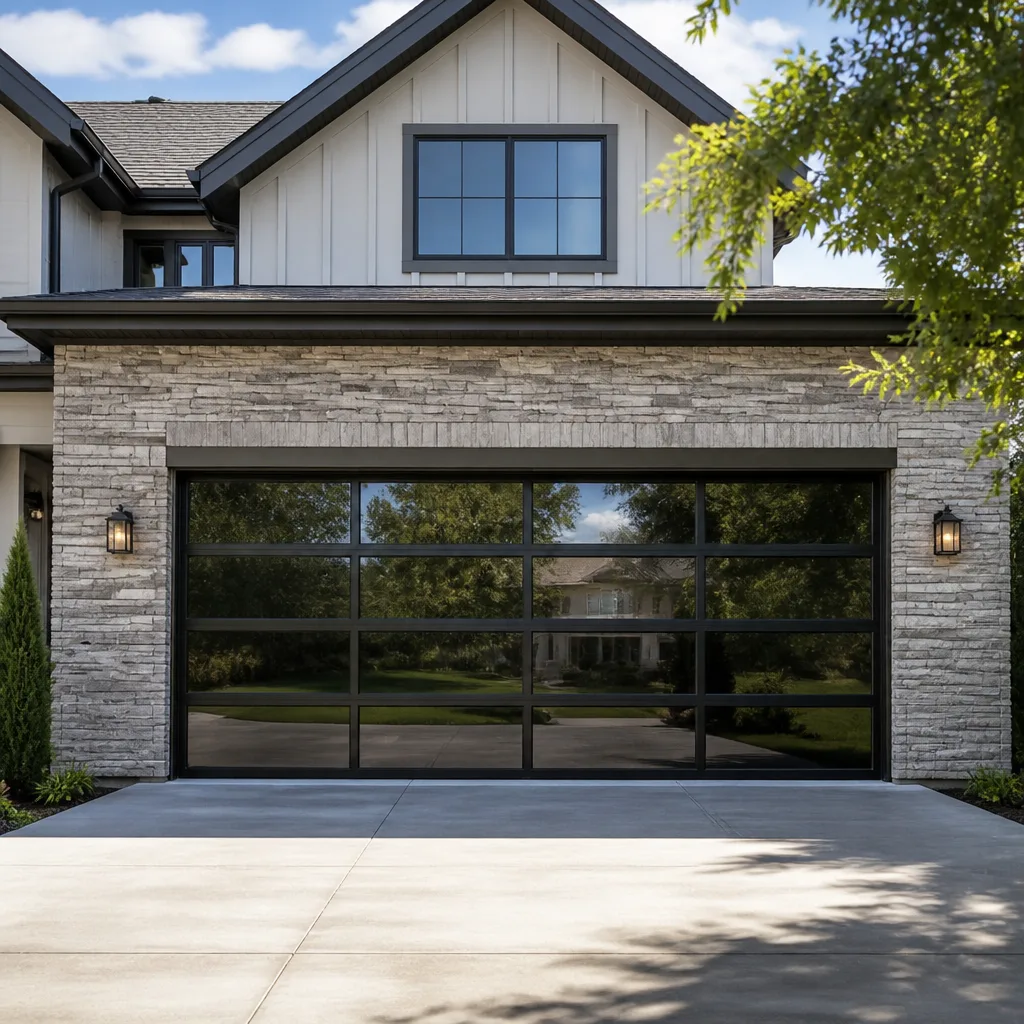 Full-view glass
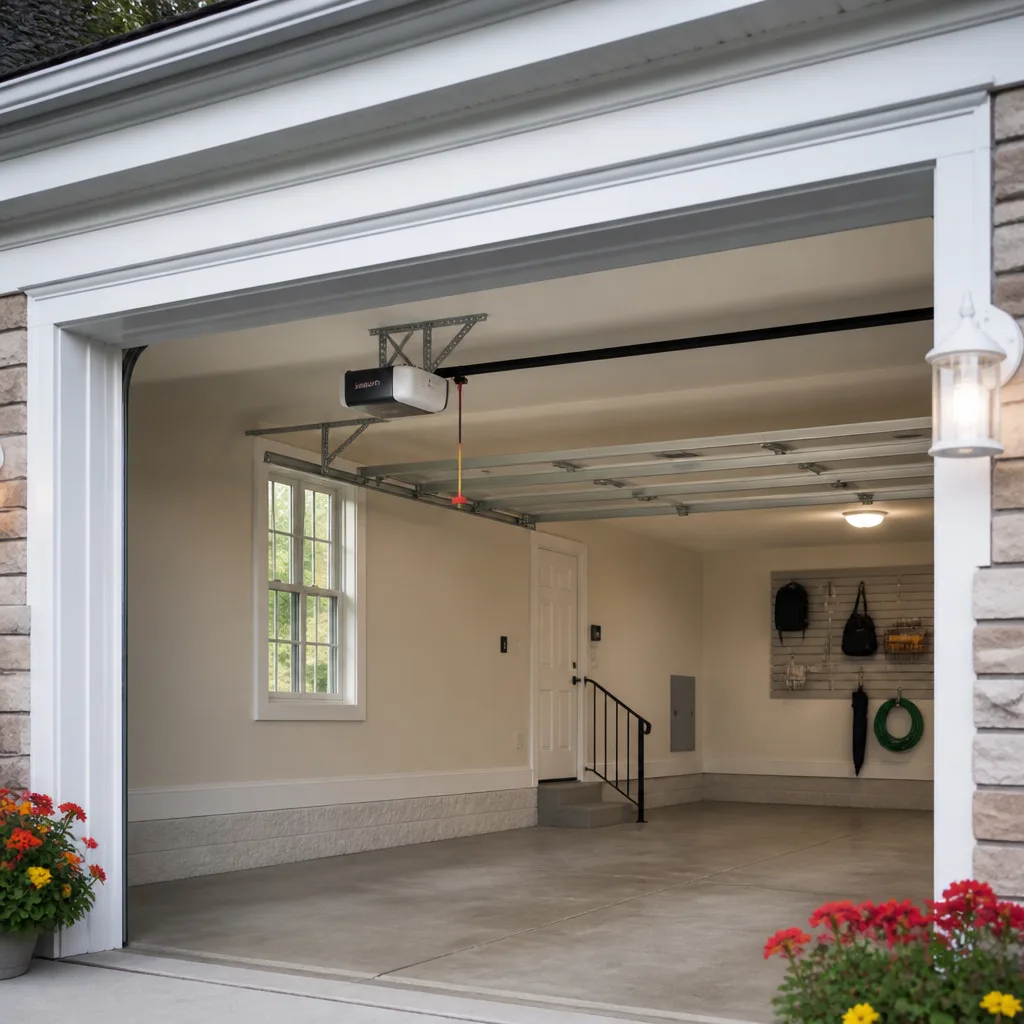 LiftMaster openers
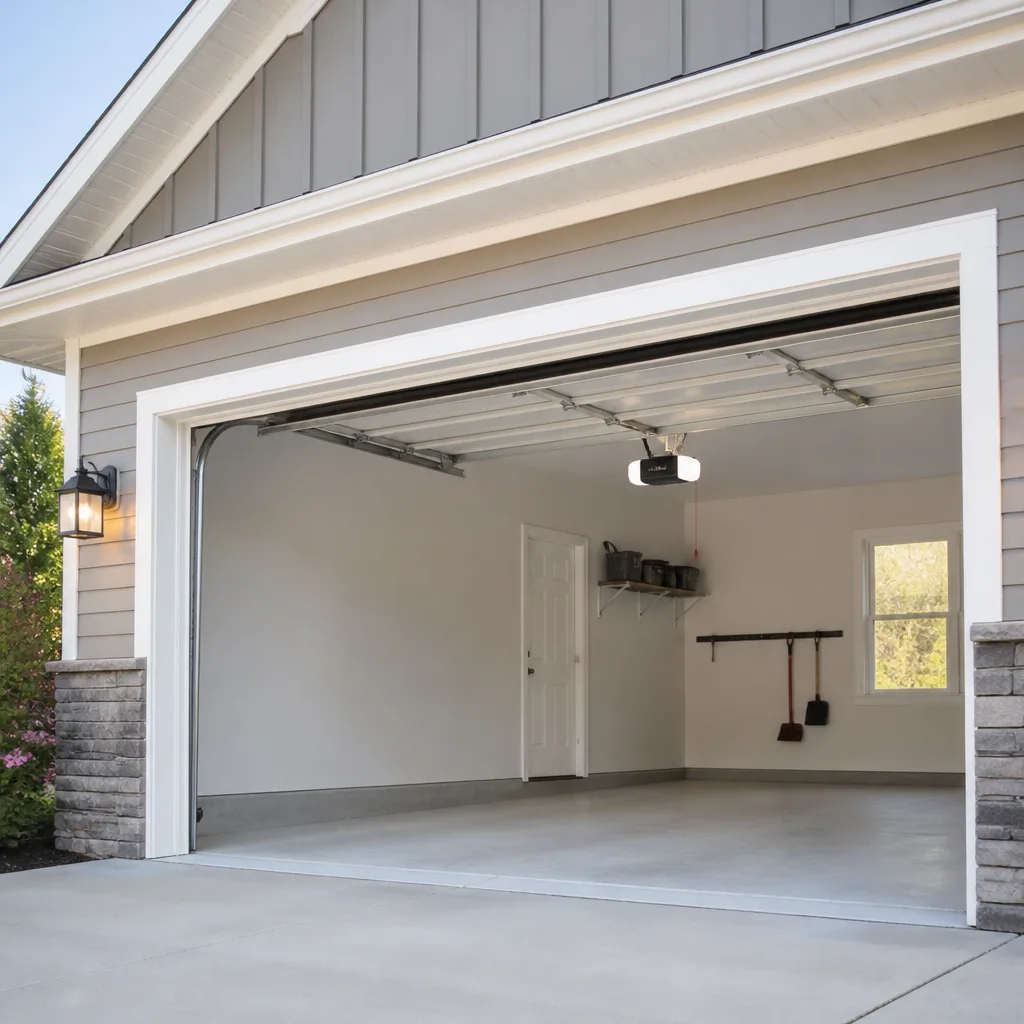 Chamberlain openers
Full 25-point door and opener safety check with every visit - springs, cables, rollers, tracks, and your LiftMaster or Chamberlain opener included
You get a price before we start. It does not change when the pro arrives.
Get your free estimateSeasonal Garage Door Care for Bedford-Stuyvesant: Year-Round Homeowner’s Guide
Most homeowners think about their garage door exactly twice: the day it’s installed and the day it stops working. That’s backwards. The door is the largest moving assembly on the house, and here in Bedford-Stuyvesant it cycles through four distinct seasons of stress every year – from the freeze-thaw swing of January to the humidity of August. The homeowners who spend the least on repairs aren’t the lucky ones; they’re the ones who know what to look at and when. This guide walks through what a year of seasonal care actually looks like for a garage door in Bedford-Stuyvesant, what you can safely check yourself, and where the line sits between a routine inspection and a job for a trained technician.
Styles & brands we work with
- Raised-panel steel
- Carriage house
- Modern flush
- Full-view glass
- LiftMaster openers
- Chamberlain openers
Quick Answer
Seasonal garage door care in Bedford-Stuyvesant comes down to four checkpoints a year: a spring and cable inspection before winter, a balance and lubrication check as the seasons shift, a weather-seal and track review heading into summer humidity, and a hardware tighten-up before the cold returns. Most of what keeps a door running is visual and low-effort. Springs, cables, and opener electronics are not – those need a trained technician, and a broken spring should never be touched by a homeowner.
Table of Contents
- Why Seasonal Care Matters More in Bedford-Stuyvesant
- Winter Prep: What to Check Before the First Freeze
- Spring Checkpoint: Balance, Tracks, and Lubrication
- Summer Humidity: Seals, Wood Doors, and Track Alignment
- Fall Tune-Up: Tightening Hardware Before Cold Returns
- Springs and Cables: The Parts You Should Never Touch
- Opener Care: What Your Electronics Need Each Season
- Monthly Habits That Extend Door Life
- Common Mistakes to Avoid
- When to Call a Professional
- Frequently Asked Questions
- The Bottom Line
Why Seasonal Care Matters More in Bedford-Stuyvesant
Age is the biggest factor in garage door wear, and Bedford-Stuyvesant has a lot of it. Brownstones and row houses across the neighborhood often carry original or long-since-replaced garage doors attached to homes built decades ago, and the hardware on those doors has cycled open and closed thousands of times. In a climate that swings from freezing nights to mild afternoons in the same week, metal expands and contracts constantly. Springs lose tension. Wood swells and shrinks. Tracks shift a fraction of an inch and suddenly the door scrapes on the way up.
That’s the core idea behind seasonal care: you’re not fixing problems after they happen, you’re catching small shifts before they become expensive ones. A track that’s slightly out of alignment is a five-minute adjustment. Ignored for a year, it wears the rollers, strains the opener, and eventually bends the panel edges. Same story with a weather seal that’s cracked and letting in cold air – it’s a cheap strip of rubber until moisture gets behind it and starts working on the door’s bottom section.
A few Bedford-Stuyvesant-specific things worth knowing:
- Freeze-thaw cycles are hard on springs and cables. The tension in a torsion spring changes with temperature, which is why doors sometimes feel heavier on a cold morning.
- Summer humidity affects wood doors and the frames around them. Swelling and sticking are common from June through September.
- Older housing stock means you’ll find a mix of opener generations – from modern LiftMaster and Chamberlain units to legacy Craftsman openers still running strong after many years.
- Row-house construction puts the garage in close proximity to living space, so noise, drafts, and security matter in ways they don’t in detached suburban garages.
The good news: seasonal care is mostly about knowing what to look at. A trained eye on your door’s hardware twice a year catches nearly everything before it turns into a repair call.
Winter Prep: What to Check Before the First Freeze
Winter prep is the most important checkpoint of the year. Cold is hard on a garage door because it changes the physics of every component at once. Metal contracts, lubricant thickens, rubber seals stiffen, and springs carry the same load with less give. Getting ahead of that in late fall saves most homeowners a January service call.
Here’s what to work through before the first freeze:
- Look at the springs. A torsion spring across the top of the door, or extension springs along the sides, should be uniform and intact. Any visible gap, a coil that’s separated, or a door that suddenly feels much heavier than it used to are signs to stop and call a technician.
- Check the weather seal at the bottom. A stiff or cracked bottom seal lets in cold air and, worse, lets water freeze under the door. Replace it before the first hard freeze if it’s brittle.
- Test the reversal safety feature. Place a piece of wood flat on the floor in the door’s path and close the door. It should reverse immediately on contact. If it doesn’t, the opener’s safety sensors or force settings need attention.
- Clear the tracks of debris. Leaves, grit, and small objects collect in the tracks over the fall. A dry cloth and a check for bends is all this needs.
- Listen. Run the door up and down and listen. Grinding, popping, or a door that shudders on the way down is telling you something needs adjustment before the cold makes it worse.
One Bedford-Stuyvesant note: many garages here sit under or beside the main living floor, so a door that’s dragging or off-balance is a noise problem as much as a mechanical one. Fixing it in November means a quieter winter for everyone in the house.
Spring Checkpoint: Balance, Tracks, and Lubrication
Once the freeze-thaw cycle settles, spring is the right time for a full balance and lubrication check. This is also the point where winter’s damage shows up. Cables that were fine in October may have stretched. Tracks that were straight may have shifted. A door that came through the winter well still benefits from a reset before summer.
The balance test
Disconnect the opener using the manual release cord, then lift the door halfway by hand and let go. A properly balanced door stays where you put it. If it drops or rises on its own, the springs are carrying uneven tension, and that’s a spring technician’s job to correct – not something to adjust yourself.
Track and roller check
- Run your hand along the inside of each track (door down, opener disconnected) and feel for dents, bends, or debris. Tracks should be smooth and vertical.
- Inspect the rollers. Nylon rollers should be quiet and round; steel rollers should spin freely. Flat spots or grinding noise means replacement.
- Check the brackets and hinges for loose bolts. Snug them, but don’t over-tighten – the door panels need a small amount of give.
Lubrication
A small amount of proper garage door lubricant on the hinges, rollers, and spring coils goes a long way. Use a silicone-based or white lithium lubricant, not WD-40 – a penetrating oil will strip the existing lubricant and attract grit. Two or three light applications a year is plenty. If the door has been squeaking through the winter, spring is when to address it, before the summer heat makes the noise worse.
We see a lot of doors in Bedford-Stuyvesant with Clopay and Wayne Dalton panels that are still structurally sound after many seasons but running rough because nobody’s touched the hinges in years. A twenty-minute lubrication pass can add years of smooth operation.
Summer Humidity: Seals, Wood Doors, and Track Alignment
Summer in Bedford-Stuyvesant brings the opposite set of problems. Heat and humidity make wood swell, metal expand, and rubber seals dry out and crack. Doors that were perfectly aligned in April can bind or scrape by July. Left alone, the door will force against the opener’s limits, and the opener will eventually stop responding correctly.
What to look at heading into summer:
- Wood door swelling. If you have a wood garage door, watch for panels that stick against the frame. A light sanding of the contact edge usually resolves it – but if the door’s overall structure is warping, that’s a sign the door is nearing the end of its service life and worth a professional review.
- Bottom seal condition. Summer heat is when a rubber bottom seal goes brittle. Replacing it yourself is genuinely simple and cheap; it’s a strip that slides into a track and gets trimmed to width.
- Track alignment after the heat. Metal tracks expand a little in summer. If the door scrapes or shudders, check that the tracks are still plumb. A slight nudge is often all that’s needed, but if the track is out of alignment by more than a fraction, call a technician – bent tracks strain the rollers and opener in ways that quickly compound.
- Opener force settings. Most modern openers auto-adjust, but older units (many Craftsman models still in service around here) may need a manual force and limit adjustment. If you don’t know how, don’t guess – an opener set wrong can crush a child or pet before it reverses.
One other thing to watch in summer: the safety sensors at the bottom of the tracks. Heat and blowing dust can cloud the lenses. A quick wipe with a clean cloth fixes it, and it’s worth checking them every couple of months.
Fall Tune-Up: Tightening Hardware Before Cold Returns
Fall is the mirror of spring: you’re tidying up after summer and preparing for winter at the same time. This is the checkpoint where most proactive homeowners catch the things that would have become January emergencies. It’s also a good moment to think about the whole door, not just the visible parts.
A fall tune-up typically covers:
- Tighten all visible fasteners – hinges, brackets, and track bolts. An impact driver is not the right tool; a socket wrench snugged by hand is.
- Re-lubricate the moving parts – hinges, rollers, spring coils, and the torsion bar bearings.
- Inspect the cables for fraying, kinks, or any sign of rust. Cables are under extreme tension at all times and are not something to touch. If something looks wrong, stop and call.
- Check the spring tension balance again (see the spring checkpoint above). If the door needs help to open or closes on its own, the springs are telling you something.
- Test the safety reversal one more time. This is the single most important test on the whole system and takes thirty seconds.
- Look at the weather seal and bottom frame. Winter water intrusion is mostly a seal problem, not a door problem.
Amarrm and Clopay doors common on Bedford-Stuyvesant row houses typically hold up well through fall prep, but their hinges and rollers still need the once-over. It’s not the door’s fault – the hardware just wears with cycling.
Springs and Cables: The Parts You Should Never Touch
Garage door springs and cables operate under extreme tension at all times – hundreds of pounds of force stored in a torsion spring, ready to release. When they break, they snap. Over the years, high-tension garage door springs and cables have caused serious injuries to homeowners who tried to adjust or replace them without training. This is the one part of seasonal care where the right answer is always the same: don’t touch it, call a technician.
Spring and cable care is entirely a matter of watching, not doing. Look at the springs. Listen to the door. Notice if it’s heavier, noisier, or unbalanced. Then stop. The training and tools needed to safely relieve tension, replace a torsion spring, and re-balance the door are exactly what our technicians spend their careers on – our technicians have up to 8 years of experience with these jobs, and even that experience comes with strict safety procedures.
What you can do safely:
- Look for visible gaps in torsion springs (they run across the top of the door, above the panels).
- Notice if the door feels unusually heavy when you lift it manually (with the opener disconnected).
- Look at the cables along the sides – if a cable is fraying or has kinks, that’s a stop-and-call.
- Note any loud popping or banging sound coming from the door, whether the door is in motion or not.
What you should never do: try to unwind a torsion spring, cut or adjust a cable, or replace any spring without professional training. The stakes are too high.
Opener Care: What Your Electronics Need Each Season
Openers get treated like appliances, but they need a little seasonal attention to keep them running smoothly. The good news is that most modern openers – LiftMaster, Chamberlain, and similar units – are largely self-monitoring. Legacy units like older Craftsman openers are more hands-on, and they’re still common in Bedford-Stuyvesant garages.
What to check each season:
- Safety sensors – make sure both lenses are clean, aligned, and the indicator lights are steady. A flickering or off light means the sensor needs adjustment or replacement.
- Manual release – test the emergency release cord every season. It should disconnect the door from the opener smoothly and re-engage cleanly.
- Remote and wall control batteries – a dull remote is the most common cause of “the opener stopped working.”
- Force and limit settings – on older units, these need periodic review. If you’re not confident what you’re adjusting, leave it to a technician. This is the setting that controls whether the door reverses on contact with an obstruction.
- Noise and vibration – a new rattle or groan from the opener’s rail or motor housing usually means a loose bolt or worn bushing. Worth a look before the noise gets worse.
If your opener is a smart-home model (LiftMaster’s myQ ecosystem is prevalent), seasonal care is mostly about confirming the app still controls the door and the sensor alerts are working. A quick test once a season is plenty. For older electronics, the annual inspection is worth doing properly – call us and we’ll go through it.
Monthly Habits That Extend Door Life
The seasonal checkpoints do the heavy lifting, but two minutes a month is where most of the wear is caught. Nothing here is technical.
- Open and close the door and listen. A door that sounds the same every month is a healthy door. A door that’s developed a new sound is telling you something.
- Visual spring and cable check. Fifteen seconds. Look up and along the sides.
- Clear the tracks. Leaves, grit, and debris collect fast, especially in autumn and spring.
- Test the safety reversal. One piece of wood, thirty seconds. Do it monthly.
- Look at the weather seal. Especially after storms. A cracked seal is a cheap fix; a rotted bottom panel isn’t.
Homeowners who do these five things are the ones who call us for the occasional adjustment and rarely for a surprise repair. It’s not about being handy – it’s about noticing.
Common Mistakes to Avoid
- WD-40 on the tracks and springs. It attracts dirt and grit and eventually makes things worse. Use proper silicone-based garage door lubricant – a few dollars well spent.
- Tightening everything with an impact driver. Over-torqued bolts on hinges and brackets strip the hardware and warp panel edges. Hand-tighten with a socket wrench.
- Skipping the safety reversal test. Families with small children or pets in the home should treat this as a monthly habit, not an annual one. It’s the single most important safety check on the entire door.
- Adjusting springs or cables yourself. These components store hundreds of pounds of tension. High-tension springs are not a homeowner repair, full stop.
- Ignoring a door that’s getting noisier. Noise is a symptom, not a personality quirk. Grinding, scraping, or popping is telling you the hardware is out of adjustment.
- Forgetting the tracks after summer heat. Heat expands tracks; a small misalignment in July becomes a bent track in October if you don’t check.
- Assuming an older opener is “fine because it still works.” Craftman-style legacy openers in Bedford-Stuyvesant often lack the modern safety sensors or reverse features. Worth a review if the door’s history is unknown.
When to Call a Professional
Some things are worth a call sooner than later. Any new noise coming from the springs or cables, any door that’s gotten noticeably heavier, any door that’s off-balance on the balance test, any visible gap in a torsion spring, and any opener that’s stopped reversing on contact – all of these mean you should stop using the door and get a technician out. Same goes for track misalignment beyond a fraction of an inch, and any door that won’t stay closed or won’t latch. If a door fails after hours – stuck open, stuck closed, unsafe to use – we offer emergency garage door service. Garage Door Repair Bedford-Stuyvesant offers free estimates in Bedford-Stuyvesant – call (844) 905-0472. We work on the door you have, whatever the brand, and we quote and agree the price before any work starts. Our technicians handle Clopay, Amarr, Wayne Dalton, Craftsman, LiftMaster, Chamberlain, Genie, and Raynor systems, so no forced brand swaps.
Frequently Asked Questions
Once a year is the practical answer for most Bedford-Stuyvesant homeowners, ideally in the fall before the cold sets in. If the door is older, has heavy daily use, or you’re not sure when it was last serviced, twice a year – spring and fall – is worth it. The inspection covers springs, cables, opener settings, and safety features, all of which change slowly enough that annual is usually fine.
Yes – hinges, rollers, tracks (light film only), and spring coils are all safe for a homeowner to lubricate with silicone-based garage door lubricant. What you should not do is apply penetrating oils like WD-40, which strip the existing lubricant and attract grit. Once or twice a year is plenty.
A door that has suddenly gotten much heavier to lift by hand, or a loud popping sound from the door even when it’s stationary, is the classic sign of a broken or failing spring. Any visible gap in a torsion spring across the top of the door is also a clear failure signal. Stop using the door and call a technician – this is not something to test further.
Older openers can be perfectly safe if they have working safety sensors and reverse-on-contact functionality. The risk is older units that lack these features entirely, or units whose sensors have been bypassed. A professional inspection is the right way to know. Craftsman, Genie, and other legacy units are common in Bedford-Stuyvesant garages, and we inspect and work on all of them.
We’re open Sunday through Friday, 7am to 7pm, and closed Saturday. Emergency garage door service is available for urgent situations – a door stuck open, stuck closed, or unsafe to use – so if a door fails on a Saturday, call and we’ll book you for Sunday.
No. We quote the price before any work starts, and that quoted price is the final price. You’ll know the estimate up front, and we won’t start the job until you’ve agreed to it.
The Bottom Line
A garage door in Bedford-Stuyvesant doesn’t need much, but it needs the right things at the right time of year. Fall prep catches spring and cable issues before cold makes them worse. The spring balance and lubrication check keeps the door running smoothly through summer. Summer humidity is when seals and wood need attention. Fall tune-up is the once-a-year hardware tightening and safety check. Sprinkle in the five monthly habits and you’ve got a care routine that adds years to the door.
The two rules that matter most: don’t touch springs or cables, and don’t skip the safety reversal test. Everything else is manageable. If something doesn’t feel right, call us. Free estimates, and a straight answer on whether the door needs a repair or just an adjustment. We work on the door you have, whatever brand. If you’d rather start with a quick look at what we cover, see garage door repair Bedford-Stuyvesant.
Call (844) 905-0472 for a free estimate. One call covers the hardware and the opener.
Written by the team at Garage Door Repair Bedford-Stuyvesant.
See the difference
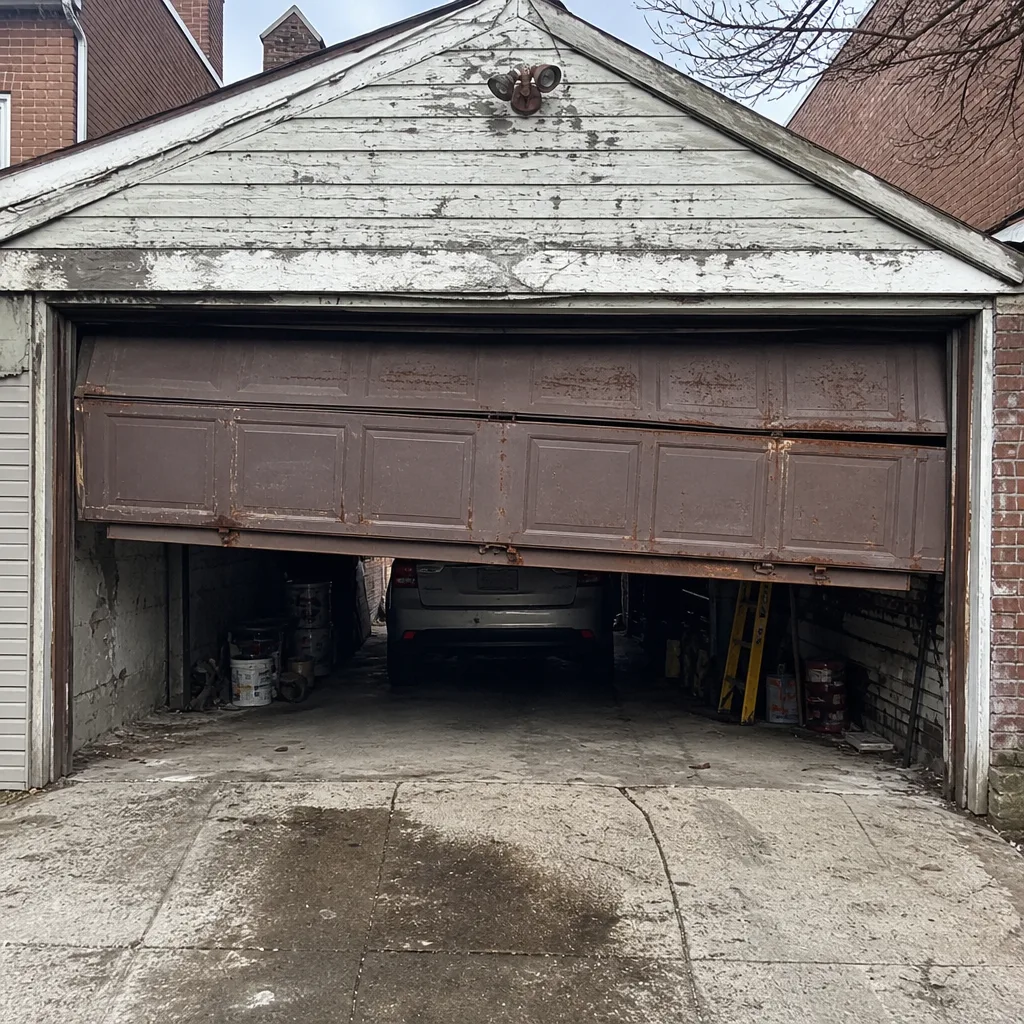 Before
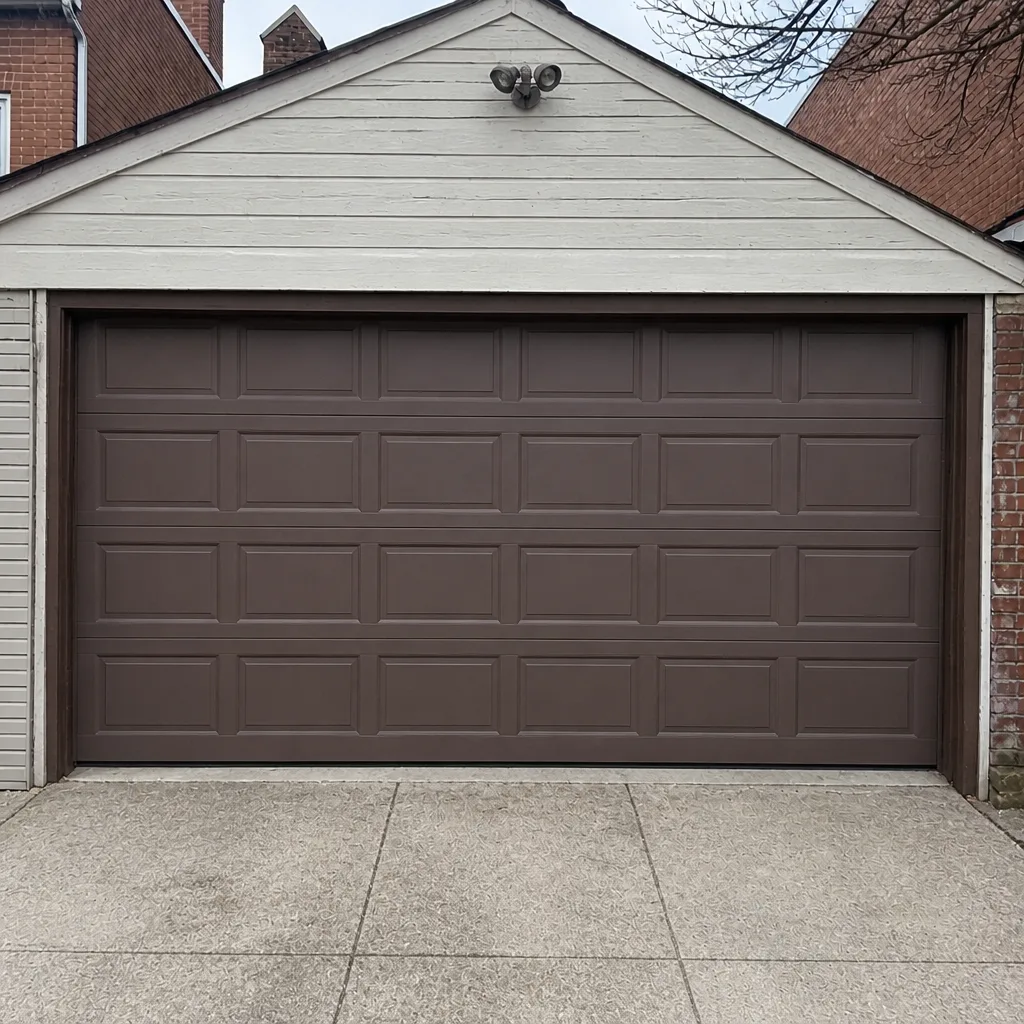 After
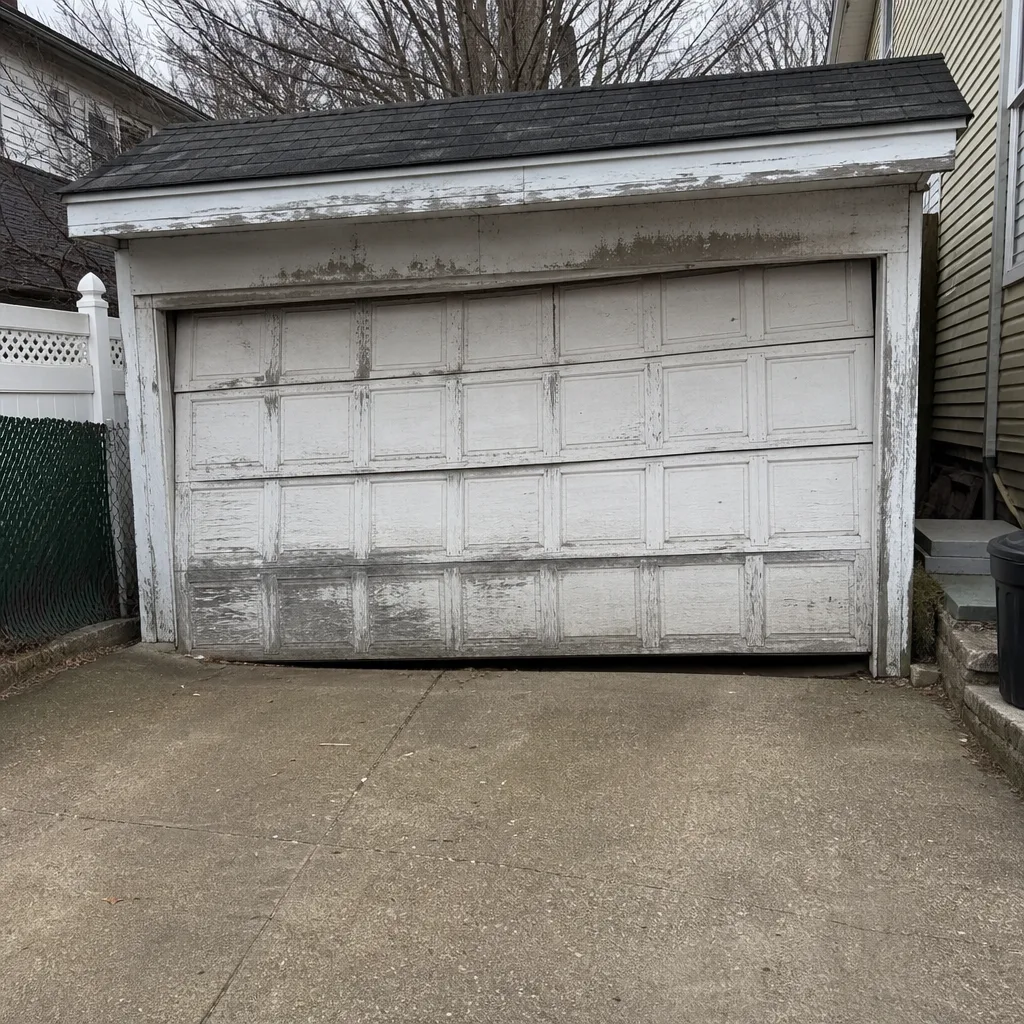 Before
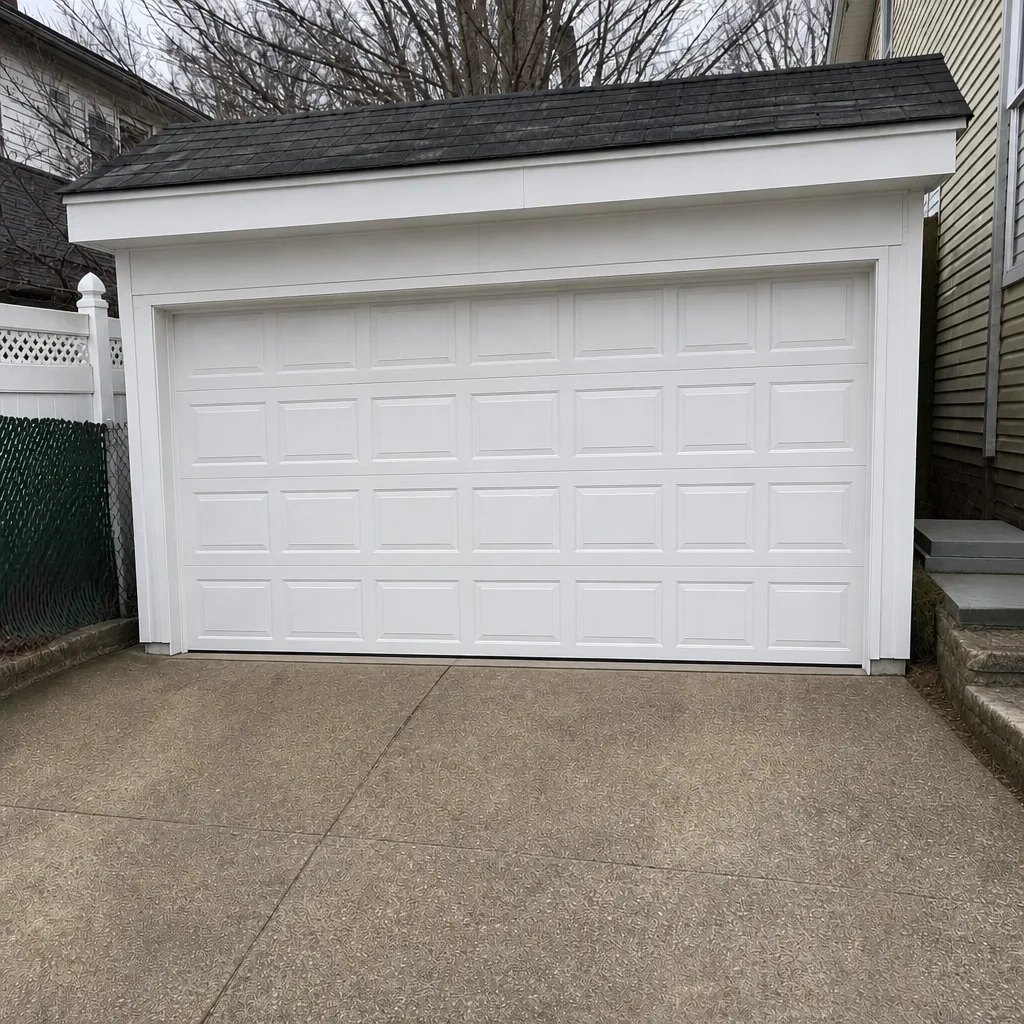 After
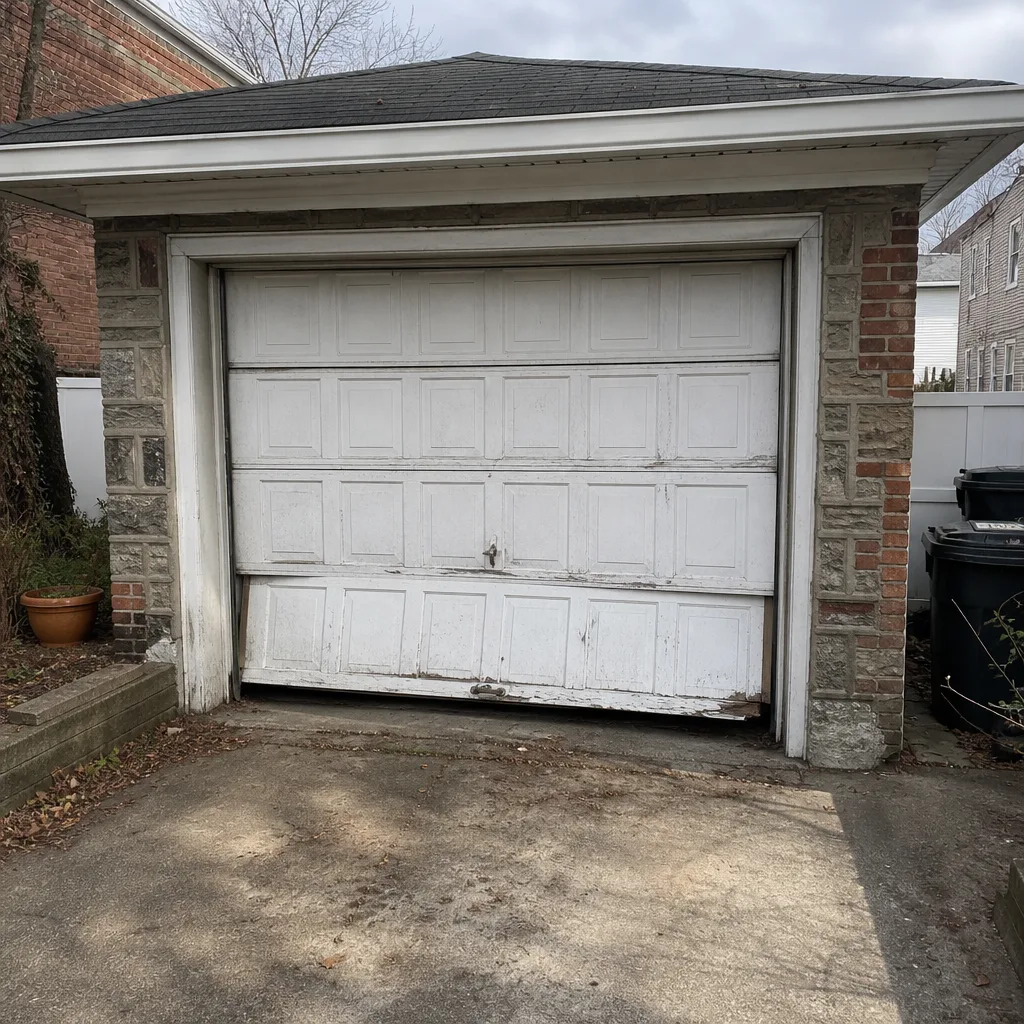 Before
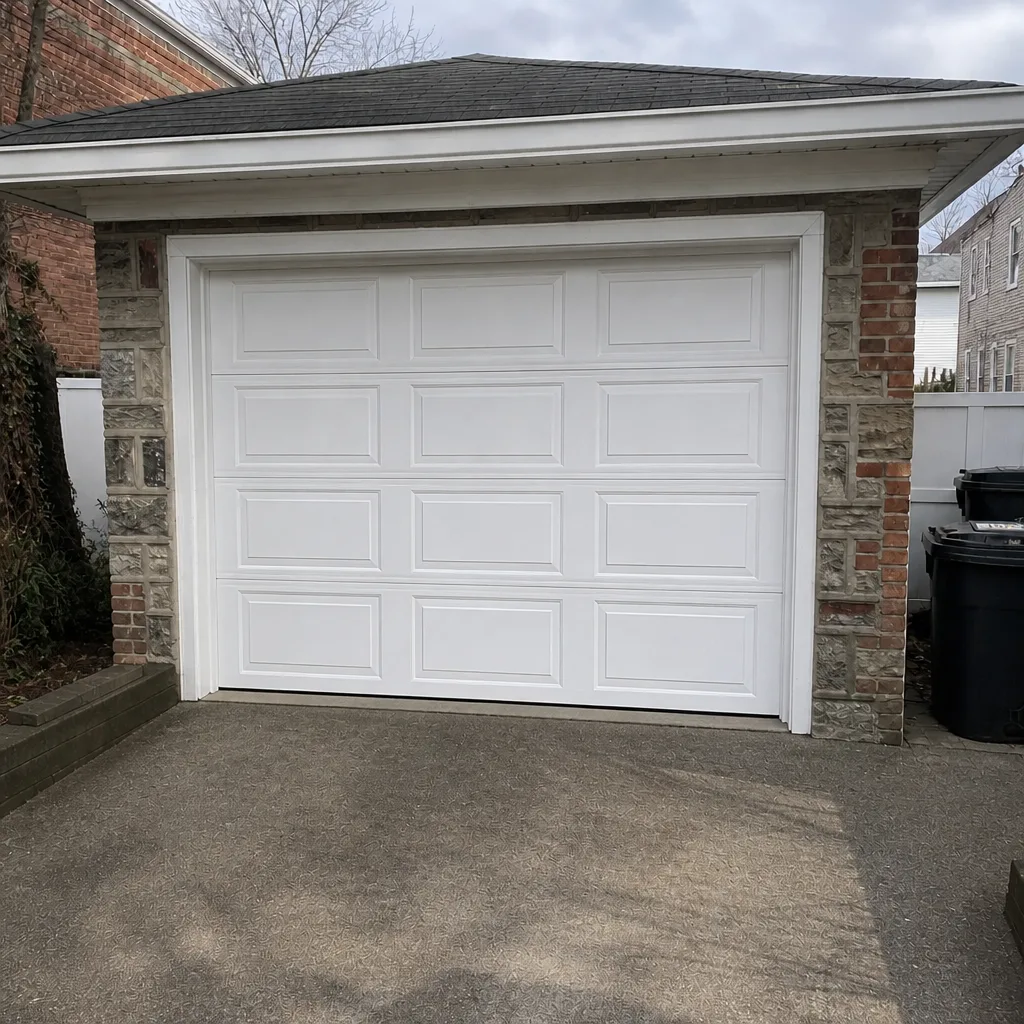 After