Last updated November 20, 2026
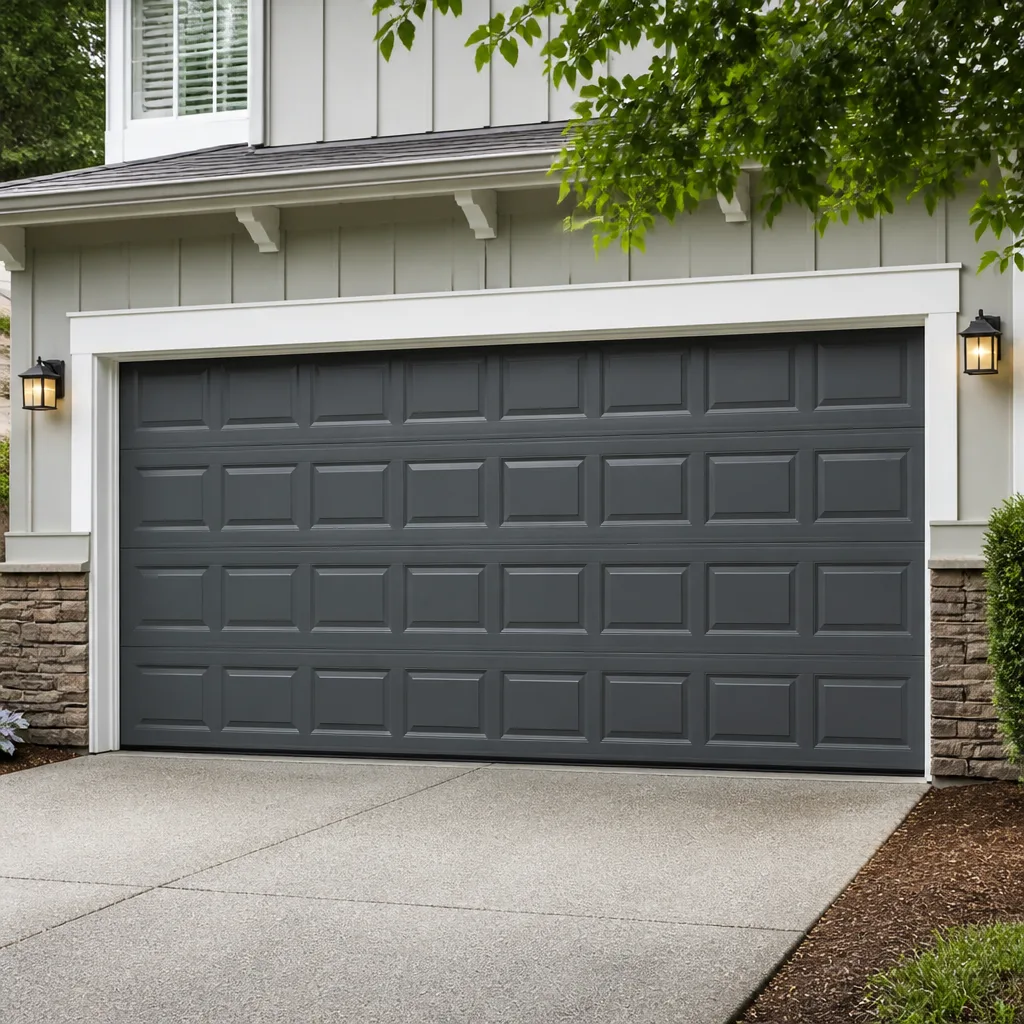 Raised-panel steel
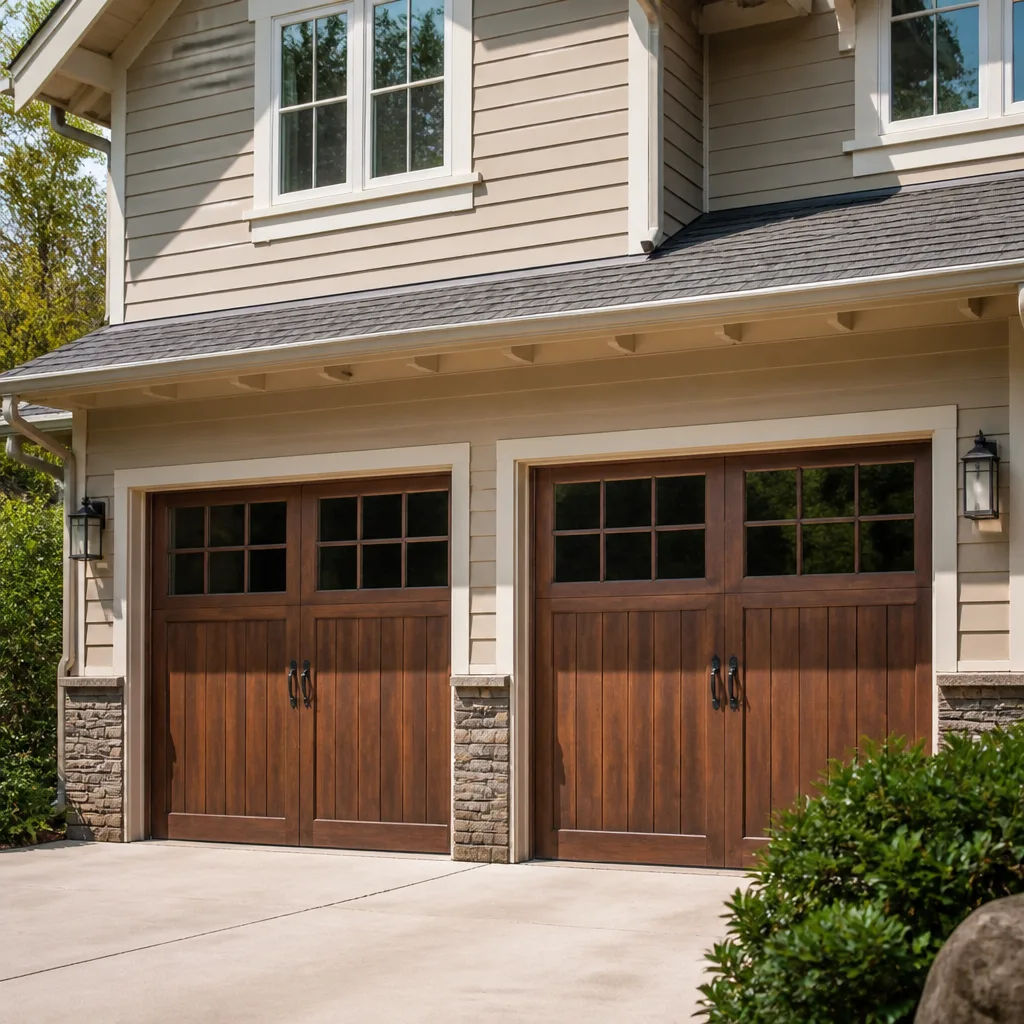 Carriage house
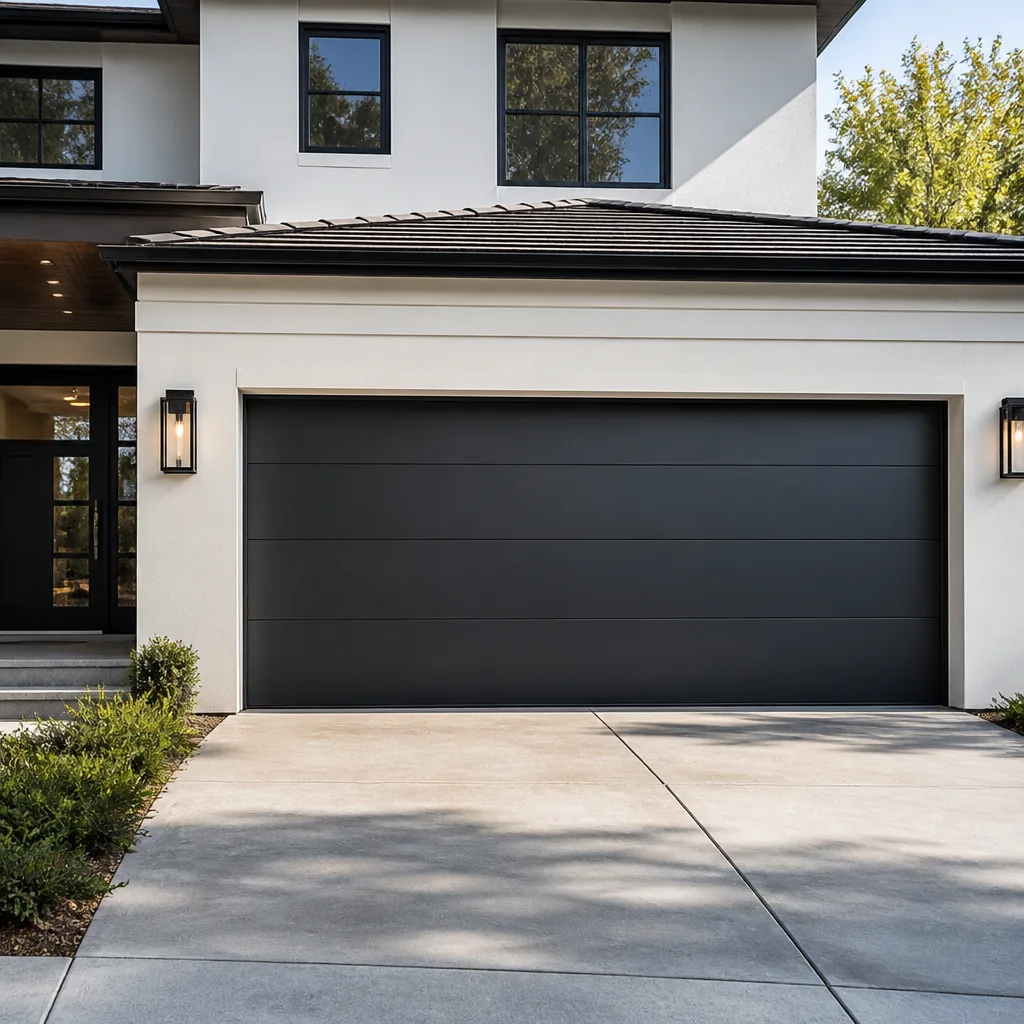 Modern flush
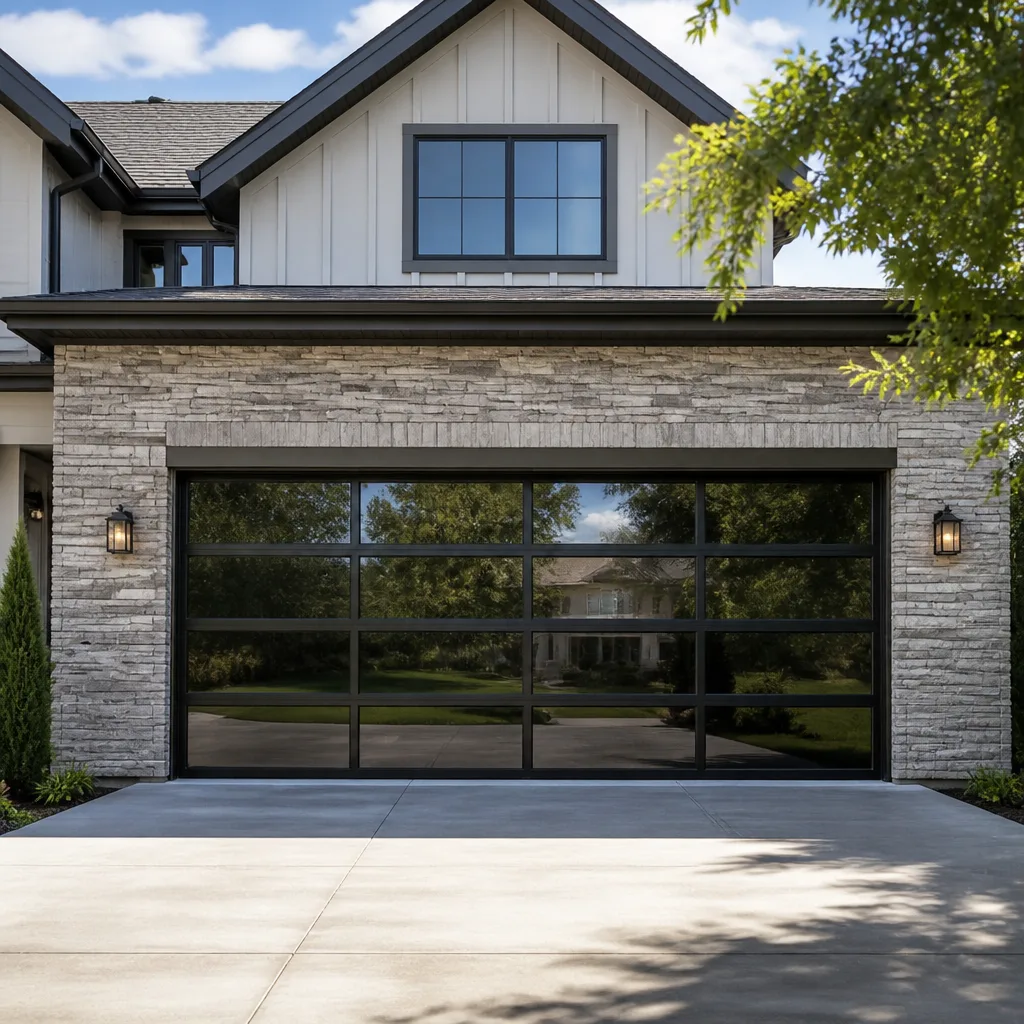 Full-view glass
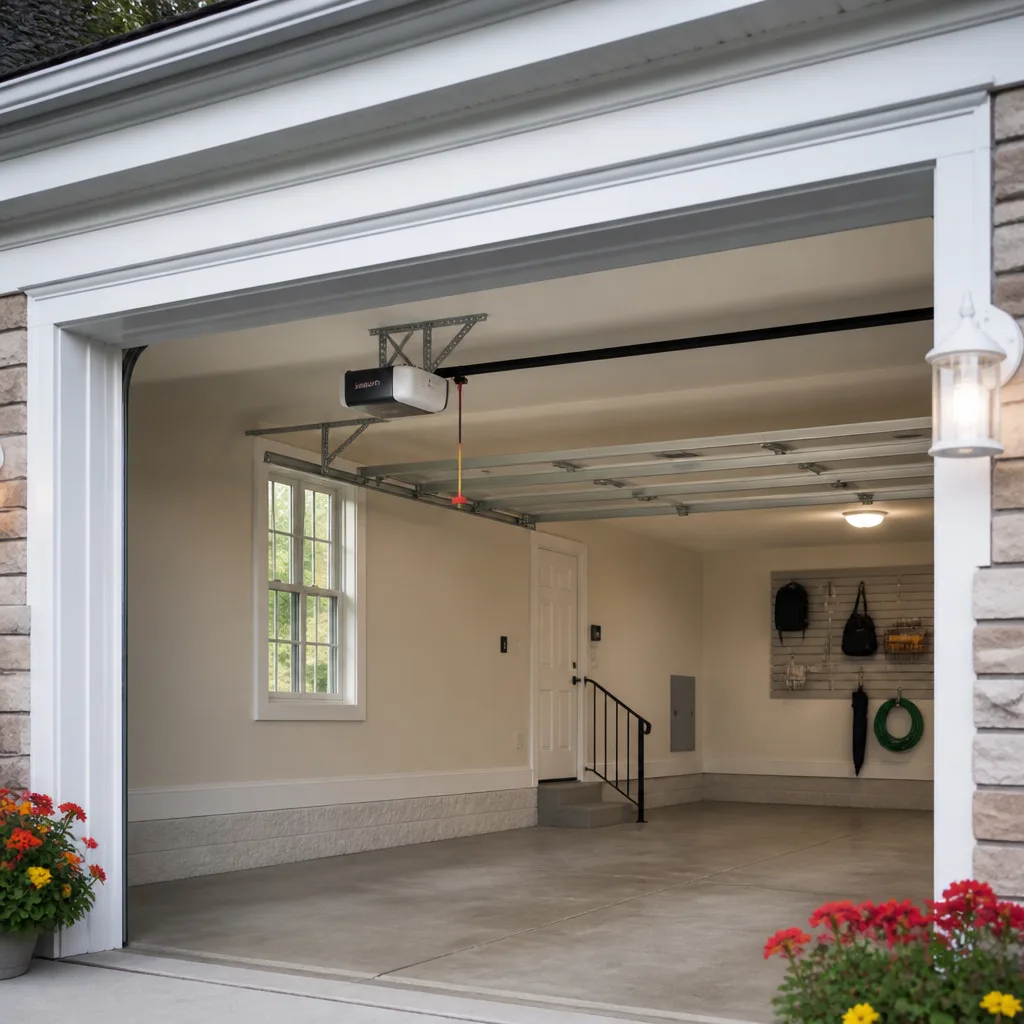 LiftMaster openers
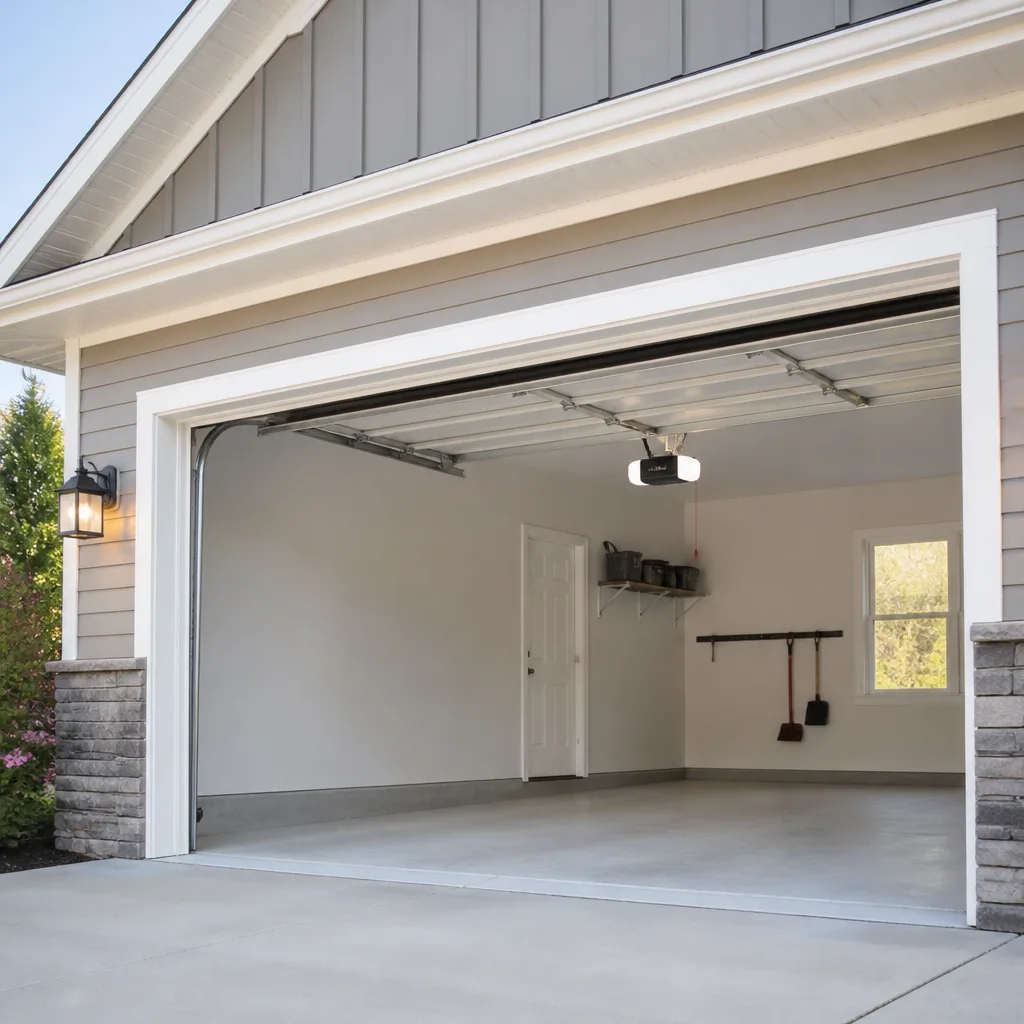 Chamberlain openers
Full 25-point door and opener safety check with every visit - springs, cables, rollers, tracks, and your LiftMaster or Chamberlain opener included
You get a price before we start. It does not change when the pro arrives.
Get your free estimateThe Complete Guide to Garage Doors in Bedford-Stuyvesant
Most garage door advice on the internet is written for someone with a big suburban driveway and a door that slides straight up and down. Bedford-Stuyvesant isn’t that place. Here the garage is often tucked under a stoop-level building or behind a narrow side lot, the door faces the street or a tight alley, and there’s a car, a bike habit, or a whole building’s worth of tools behind it. That changes how a door gets repaired and what a smart owner should actually worry about. This guide covers how garage doors in Bedford-Stuyvesant really behave, what each kind of repair involves, how to spot trouble before it strands you, and when a call to a trained technician is the only sensible move. We work on the door you have, whatever brand it is, so everything below applies to the equipment already on the home.
Quick Answer
A garage door in Bedford-Stuyvesant is a mechanical system of springs, cables, rollers, tracks, and an opener, and it fails most often at the springs and the opener logic board. Routine repairs like spring replacement or opener trouble usually run a few hundred dollars, while a full new door and opener can run into the low thousands, and the written estimate always sets the final price. Spring work is high-tension and dangerous, so the safe answer for a snapped spring is a trained technician, not a weekend project. When a door won’t open, won’t close, or won’t lock, we can be reached at (844) 905-0472 for urgent service.
Styles & brands we work with
- Raised-panel steel
- Carriage house
- Modern flush
- Full-view glass
- LiftMaster openers
- Chamberlain openers
Table of Contents
- How a Garage Door Actually Works
- The Types of Garage Doors You’ll See in Bedford-Stuyvesant
- Springs: The Part That Matters Most
- Openers, Smart Controls, and Legacy Units
- Repair or Replace? How to Decide
- What Good Installation Looks Like
- What Garage Door Work Costs in Bedford-Stuyvesant
- A Maintenance Routine That Actually Helps
How a Garage Door Actually Works
A garage door is a counterweight system, not a simple motorized slab. Understanding the pieces helps you describe a problem accurately and understand why a technician asks the questions they do.
The two torsion springs above the door, or extension springs on either side, store the energy that lifts the door’s weight. Cables run from the springs to the bottom corners and keep the door balanced. Rollers travel in the vertical and horizontal tracks. The opener pulls the door via a carriage or a belt, and safety sensors near the floor tell the opener a person or object is in the way. Take any one of those out of balance and the door strains, stalls, or slams.
What happens, step by step, when you press the button
- The opener receives the signal from your remote, keypad, or wall control and releases the lock (if there is one).
- The motor turns the drive mechanism, which pulls the carriage along the rail.
- The springs unwind (opening) or wind (closing) to offset the door’s weight so the motor only does a fraction of the lifting.
- The door travels the tracks; rollers keep it in line and the cables hold tension.
- The safety sensors confirm the path is clear and, on a good install, the door reverses or stops if it meets resistance.
When something goes wrong, it’s almost always in steps two through four: a tired spring, a stretched cable, a worn roller, or a limit setting on the opener that’s drifted. Diagnosing which one is failing is why a trained technician often finds the real problem faster than a guessing homeowner. If you need it handled quickly, this is the kind of work we do under garage door repair Bedford-Stuyvesant.
The Types of Garage Doors You’ll See in Bedford-Stuyvesant
Bedford-Stuyvesant has a wide mix of housing stock, and the garage door reflects it. Some buildings have a single-car sectional door opening onto the street; others have a roll-up door on a commercial ground floor. Knowing which type you have tells you what parts are involved and what to expect.
- Sectional doors: The most common on residential garages. Panels roll up on tracks and stack under the ceiling. Steel, wood, and insulated models are all sectional. Clopay and Amarr are two brands you’ll see on this type, and we work on both.
- Roll-up doors: A single sheet of slats that coils above the opening. Common on ground-floor commercial spaces and some older residential garages. Simpler mechanically, but the slats and the coil can wear.
- Swing-out and carriage-style doors: A one-piece or two-panel door that swings out like double gates. These show up on some low-rise buildings where the ceiling clearance is tight. They rely more on hinges and less on springs.
- Wood vs. steel: Wood doors in older Bedford-Stuyvesant buildings look great but need more upkeep against moisture. Steel and aluminum doors are lighter, need less painting, and are easier to insulate.
The brand on your door matters more than a lot of people think. If a technician has to force a brand switch to get parts, that’s a hassle and often an unnecessary upcharge. We keep Wayne Dalton, Clopay, Amarr, and Craftsman in the mix of brands we handle, so the door you have is the door we work on, not a reason to replace it.
Springs: The Part That Matters Most
The spring is the part that decides whether your garage door is safe. It’s also the part most homeowners should never touch. Torsion springs are wound to counterbalance the door’s full weight and are under extreme tension. A spring that lets go can do serious injury. That’s not a scare tactic; it’s the reason spring repair is a dedicated service rather than a general handyman task.
Torsion vs. extension springs
Torsion springs sit above the door on a metal shaft and twist to store energy. Extension springs run alongside the door on cables and stretch. Both store dangerous amounts of force. A torsion spring failure is usually a loud snap followed by the door feeling suddenly very heavy. An extension spring failure can be even more violent if it isn’t contained by a safety cable.
How to tell you have a spring problem
- The door is very hard to lift by hand, or heavy when it comes down.
- You hear a loud bang from the garage and the door won’t open.
- The door opens a few inches and stops, or hangs crooked.
- You can see a visible gap in the coil of a torsion spring.
If you notice any of these, stop using the opener. Running a door with a broken spring puts stress on the motor and can drop the door. Call a trained technician. This is a job for someone who does it regularly and has the winding bars and the safety procedures to match.
Openers, Smart Controls, and Legacy Units
The opener is the brain of the system, and in older Bedford-Stuyvesant homes it’s often the oldest piece of equipment on the door. A modern LiftMaster or Chamberlain/myQ unit lets you open and monitor the door from a phone and ties into a home app. A legacy Craftsman opener may be decades old but still lift a door reliably. We handle both without pushing you to upgrade if you don’t need to.
Common opener symptoms and what they usually mean
- Door reverses partway: Most often the safety sensors or the travel limits, not the motor.
- Remote works from close but not the street: Weak battery or antenna, sometimes a logic issue.
- Grinding or humming with no movement: A drive gear or carriage problem, or a stripped sprocket.
- Opener runs but door won’t move: A broken spring, a disconnected carriage, or a snapped cable.
Because we specialize in both modern connected systems (LiftMaster, Chamberlain) and older units (Craftsman, Genie), you don’t have to wonder whether someone can work on what you have. One call covers the hardware and the opener, and we’ll tell you honestly whether a repair makes sense or a replacement is the better call.
Repair or Replace? How to Decide
This is the question most homeowners ask us first. The answer depends on the age and condition of the door, the cost of the repair relative to a replacement, and whether the door is failing in one place or everywhere at once.
Lean toward repair when:
- A single spring, roller, or opener component has failed on an otherwise sound door.
- The door is well balanced and the tracks are straight.
- The opener is working and the failure is mechanical.
- The door is on an older building where the opening size is unusual and a new door is a bigger project.
Lean toward replacement when:
- The door is rusted through, cracked, or chronically out of balance.
- You’re replacing a wood door that keeps swelling and sticking in a damp garage.
- The opener is failing and the door is at the end of its useful life anyway.
- You want insulation, quieter operation, or a modern smart opener as a package.
The honest answer often comes down to the estimate. A trained technician can look at the door and tell you what it would take to make it right. If the repair cost is a fraction of a replacement, repair wins. If the door is failing in three places at once, replacement usually wins. We give a written estimate before any work starts, so you’re deciding with a real number in front of you.
What Good Installation Looks Like
Installation is where a lot of garage door problems are quietly born. A door that’s installed slightly out of plumb will work for a while and then start to drag. A door that’s not properly balanced will wear the opener out early. The difference between a good install and a rushed one shows up six months later, not on the day of install.
The sequence a careful install follows
- Measure the opening and check the framing. The rough opening, headroom, and side clearance decide what door can actually go in.
- Confirm the door size and type. Sectional, roll-up, or one-piece, plus the right material for the space.
- Install the tracks and the brackets plumb and level. This is the step that gets rushed most often and matters most.
- Set and balance the springs. This is a high-tension step for a trained technician, not a DIY job.
- Mount and set the opener, calibrate the travel limits and the force settings, and pair the remotes and safety sensors.
- Test the safety reverse with a block of wood and confirm the door stays balanced when you disengage the opener.
“Installed right, adjusted right, tested before we leave” is not a slogan for us; it’s the checklist. A proper install takes longer than a quick one, and it’s the reason a door stays quiet and balanced for years. If you’re weighing a new door, the same written estimate that covers the install also covers the opener if you’re pairing them.
What Garage Door Work Costs in Bedford-Stuyvesant
Garage door pricing in Bedford-Stuyvesant runs a range because doors, openers, and conditions vary. The numbers below are typical estimates, not exact quotes. The written estimate you get before work starts is the price you agree to, so there are no surprises on the invoice.
Typical ranges by service
- Spring repair (one spring): usually $180 to $340.
- A matched pair of springs: roughly double a single spring, since they’re replaced together.
- Opener repair or replacement: usually $150 to $450 for a repair; a new opener installed runs higher depending on the model and smart features.
- New garage door, standard single-car: usually $900 to $2,500, depending on material and size.
- Full install with opener: usually $1,200 to $3,200.
- Emergency service: priced at a premium over a standard appointment because it’s after normal hours.
These ranges reflect a standard single-car door and a like-for-like repair. A large or custom door, a commercial roll-up, or an unusual opening can sit outside them. The point of the written estimate is to put a fixed number in front of you before we touch the door. Call (844) 905-0472 for an exact quote; estimates are free.
A Maintenance Routine That Actually Helps
Most garage door failures are preventable with a few minutes a couple of times a year. The routine below is what we recommend to Bedford-Stuyvesant homeowners who want to keep the door quiet and reliable.
Every few months
- Look at the springs for visible gaps or rust and call if you see either.
- Wipe the tracks with a damp cloth and check for dents or debris.
- Lubricate the rollers, hinges, and the spring with a garage-door-safe lubricant, not grease.
- Test the safety reverse with a block of wood on the floor.
Once a year
- Disengage the opener and lift the door by hand to check the balance.
- Look at the cables for fraying or rust at the ends.
- Check the weather seal at the bottom for cracks.
- Tighten any loose bolts on the hinges and brackets.
- Test every remote and the wall control.
None of this replaces a professional look at the spring, which is the part a homeowner should never adjust. A brief annual check catches the worn part before it fails and strands the door. If the routine turns up something you’re not sure about, a quick call is cheaper than waiting for a snap.
Common Mistakes to Avoid
- Trying to replace a spring yourself. Torsion springs are under extreme tension and can cause serious injury if released without the right tools and training. This is the number one mistake we see and the one with the worst consequences.
- Forcing a door that won’t open. If the door is hung up or crooked, yanking it on the opener strains the motor, snaps cables, and can drop the door. Stop and call a technician.
- Ignoring a loud bang from the garage. A bang usually means a spring snapped. The door may still open for a few cycles before it fails, so don’t run it. Get it checked.
- Pushing a non-specialist on a brand they don’t know. A general handyman may not carry the right parts for your Amarr or Wayne Dalton door and ends up forcing parts or talking you into a replacement. Ask for the brand expertise up front.
- Skipping the written estimate. On a job this mechanical, a verbal price can balloon once the door is apart. Get the number in writing before work starts.
- Disconnecting the safety reverse. A door that doesn’t reverse on a child or a pet is a serious hazard. Never tape over the sensors or remove them.
See the difference
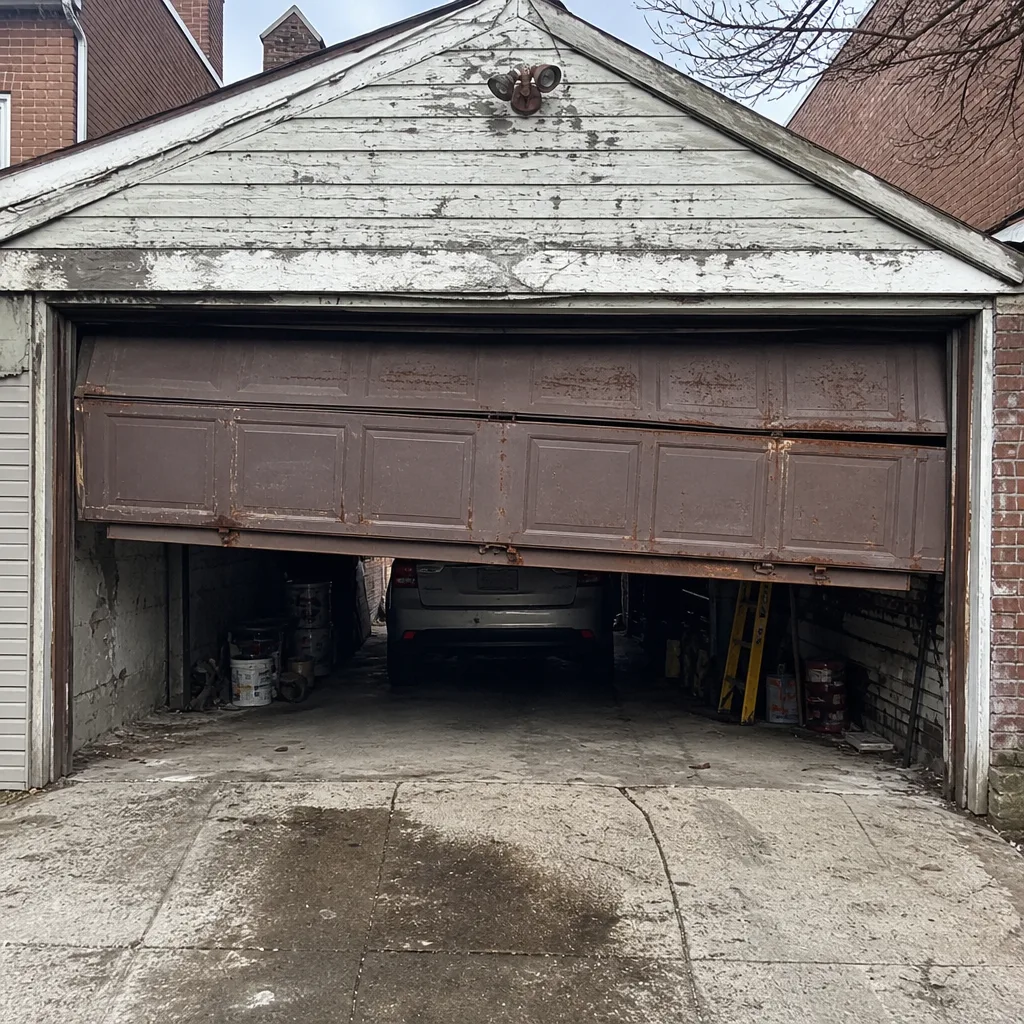 Before
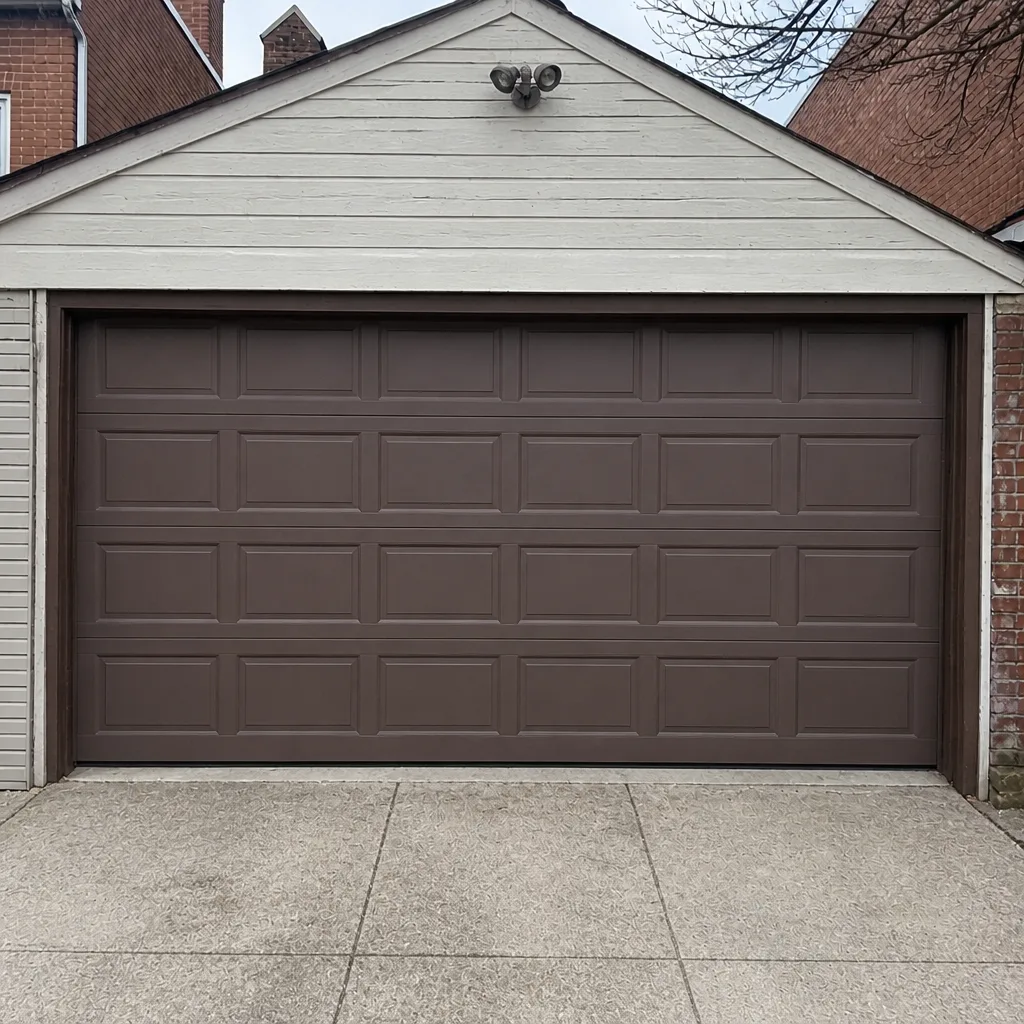 After
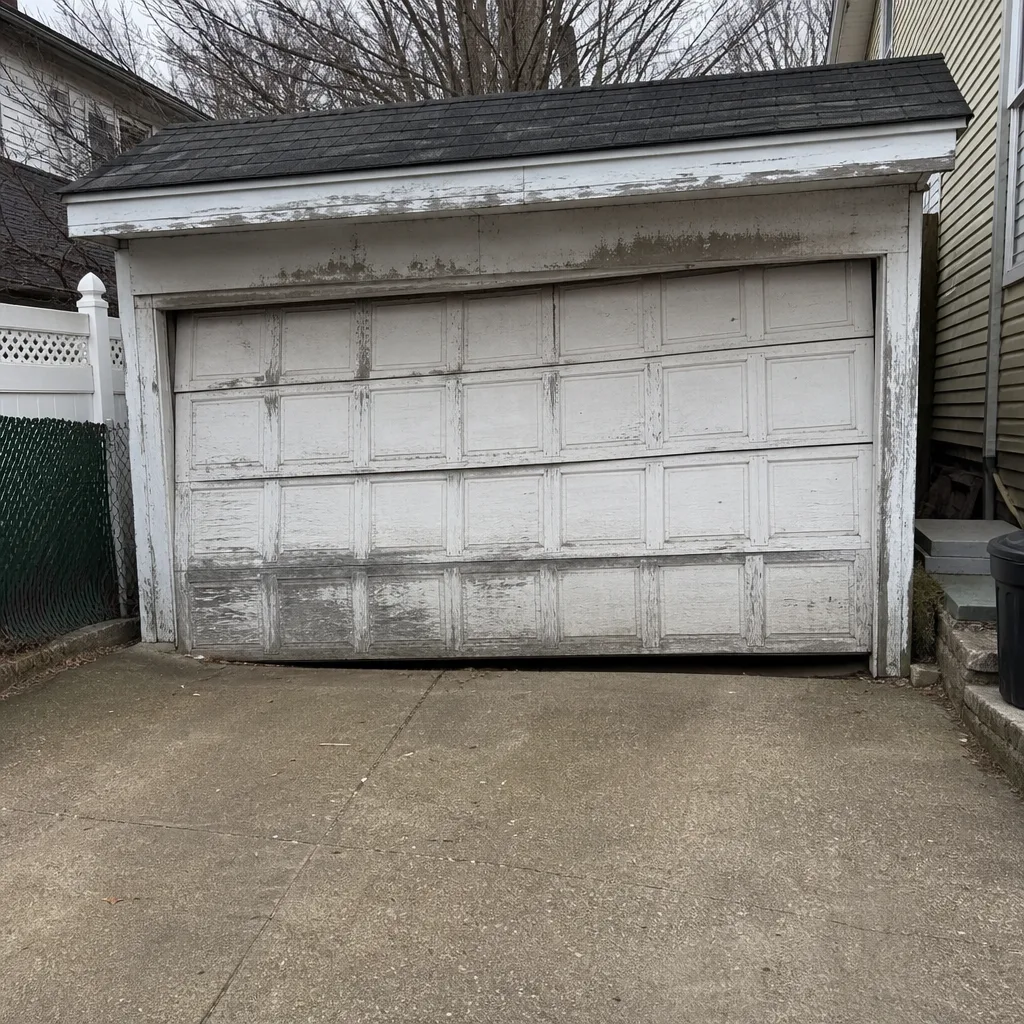 Before
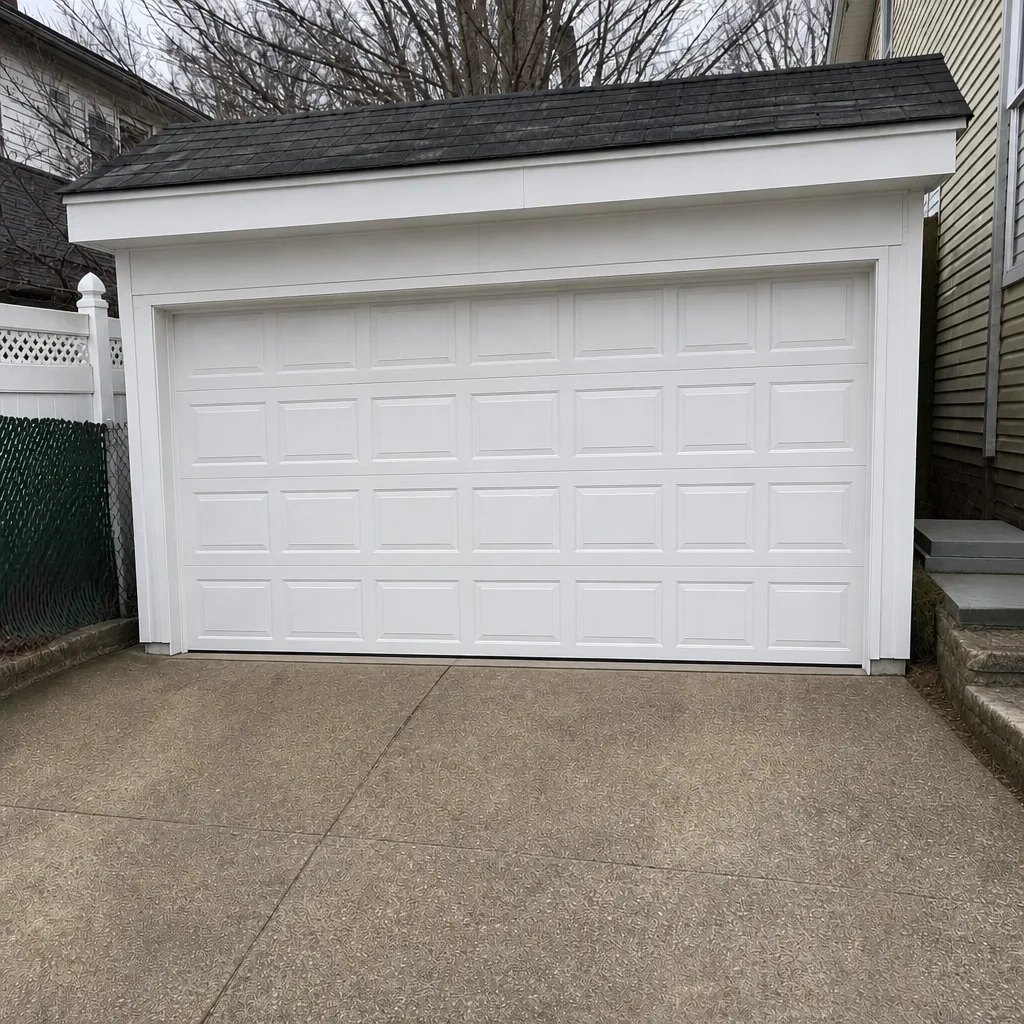 After
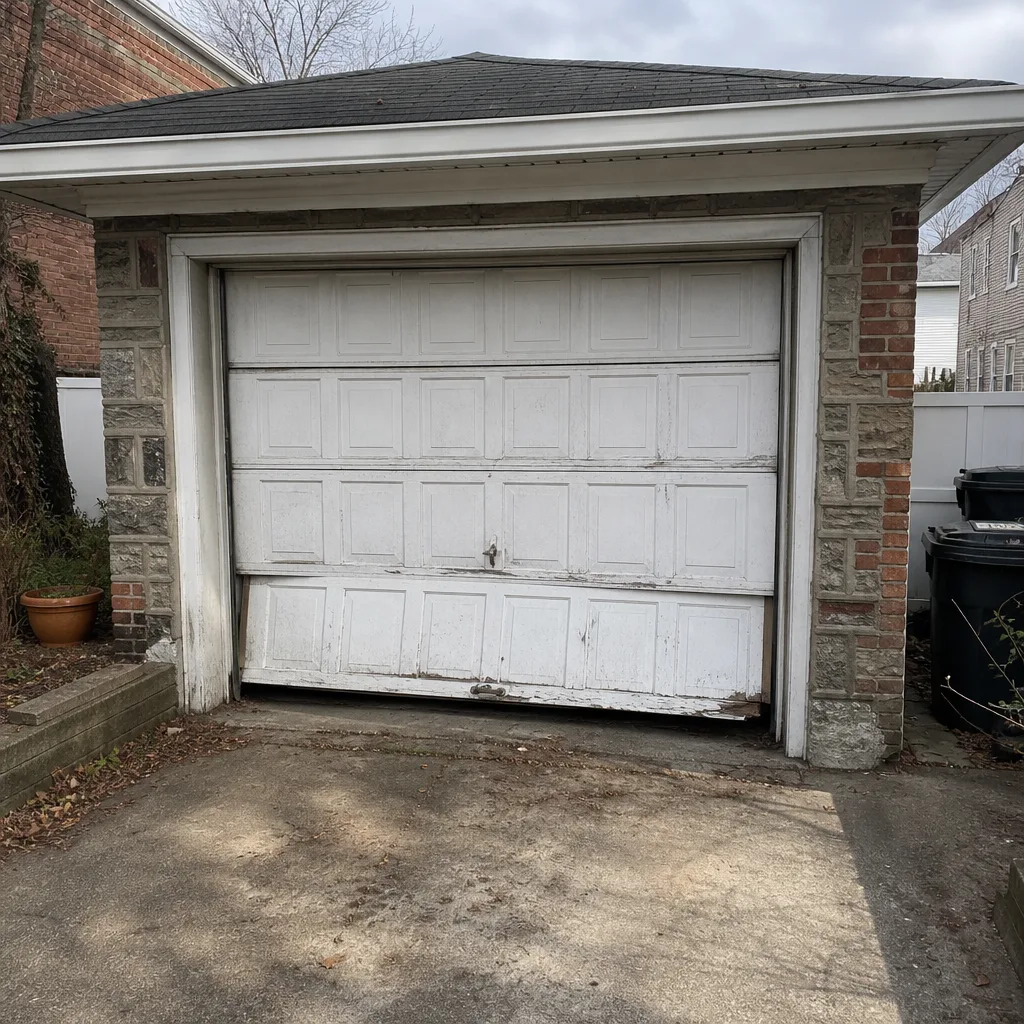 Before
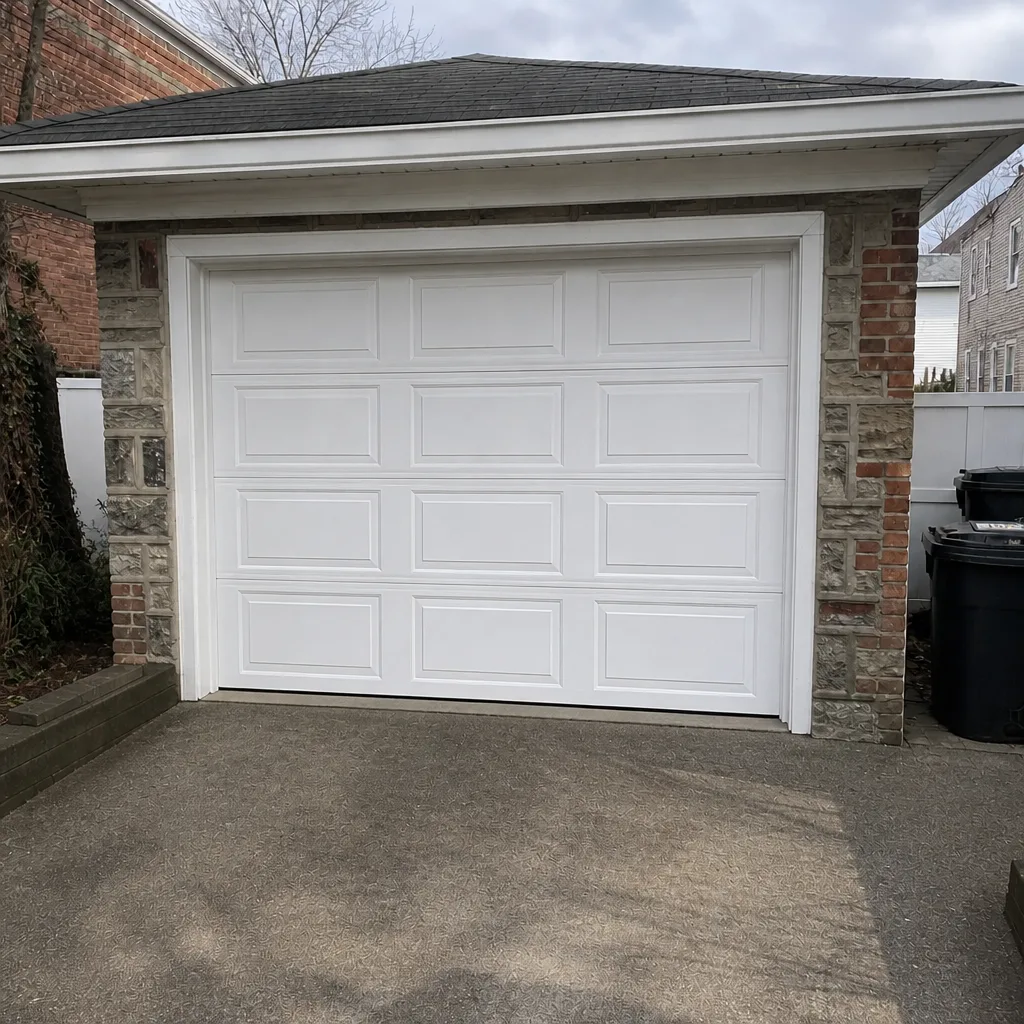 After
When to Call a Professional
Some jobs are for a homeowner with a lubricant and a cloth. Others are for a trained technician. Call a professional when a spring has snapped or the door is visibly hanging unequally, when the opener hums but the door won’t move, when a cable is frayed or loose, when the door won’t reverse on contact, or when a door won’t close and the building isn’t secure. If a door is stuck open overnight or a car is trapped inside, that’s an emergency call, not a daytime appointment. We offer free estimates in Bedford-Stuyvesant and can be reached at (844) 905-0472. Emergency service is available for the urgent cases that can’t wait for a scheduled window.
Frequently Asked Questions
Spring repair in Bedford-Stuyvesant typically runs $180 to $340 for a single spring, and a matched pair usually costs about twice that because both are replaced together. The written estimate you receive before work starts is the price you agree to. Call (844) 905-0472 for an exact quote; estimates are free.
Yes, we offer emergency garage door service for doors that are stuck open, stuck closed, or pose a security or safety risk, and we can often reach you the same day for urgent repairs. Regular scheduled work is usually booked into the next available window. For anything time-sensitive, call (844) 905-0472 and let us know what’s happened to the door.
No. We give a written estimate before work starts, and that estimate sets the price you agree to. If a technician finds something unexpected once the door is apart, we discuss it with you and update the estimate before doing anything extra, never after.
The local professionals we connect you with are licensed and insured as the state requires. Our technicians have up to 8 years of experience and are trained on the major brands, including LiftMaster, Chamberlain, Genie, Clopay, Amarr, Wayne Dalton, Craftsman, and Raynor. Call (844) 905-0472 for an exact quote.
Yes. Cold weather can make springs brittle and seals stiff, but the repair itself is the same. The bigger issue in winter is that a snapped spring is more likely, so don’t run the door if you suspect one has failed. A trained technician can assess and repair the door in cold conditions.
We work on the door you have. That includes the major brands like LiftMaster, Chamberlain, Genie, Clopay, Amarr, Wayne Dalton, Craftsman, and Raynor, plus most of the equipment already installed on Bedford-Stuyvesant homes. No forced brand switches. Call (844) 905-0472 to confirm your model.
The Bottom Line
A garage door is a counterweight system, and the spring is the part that decides whether it’s safe. That single fact should shape how you treat the door: keep it balanced, listen for a bang, and never touch the spring yourself. Most repairs are affordable and quick, a full replacement is a bigger decision best made on a written estimate, and good installation is what keeps the door quiet for years. In Bedford-Stuyvesant the housing stock is varied and the doors are too, which is why brand compatibility and a specialist who works on what you have matters. One call covers the hardware and the opener.
For a free estimate on repair, spring work, an opener, or a new door, call Garage Door Repair Bedford-Stuyvesant at (844) 905-0472. We’ll tell you what the door needs, give you a written price before work starts, and get it done right the first time.
Written by the team at Garage Door Repair Bedford-Stuyvesant.